Skip to content

An intellectual platform · Est. MMXXVI

Virtue & Power

Classical wisdom for leadership, civilization and the modern world.

A long-term study of philosophy, virtue, statecraft and the ancient world — drawn from primary texts and the history of thought, written for serious readers.

From the Journal

A founding note on what this platform is for

Virtue & Power exists to read the classical inheritance seriously — without flattening it into self-help or ideology.

Read the founding note

Essays

Studies on the questions classical thought returned to

Editorial long-form on the platform's central themes — written to the same source discipline as the library entries, but willing to commit to a reading where the entries hold back.

All essays

Political philosophy

Augustus and the transformation of Rome

The settlement that preserved the forms of the Republic while concentrating its substance in a single ruler — and the long argument over whether it was the only available outcome.

4 min readRead essay

Political philosophy

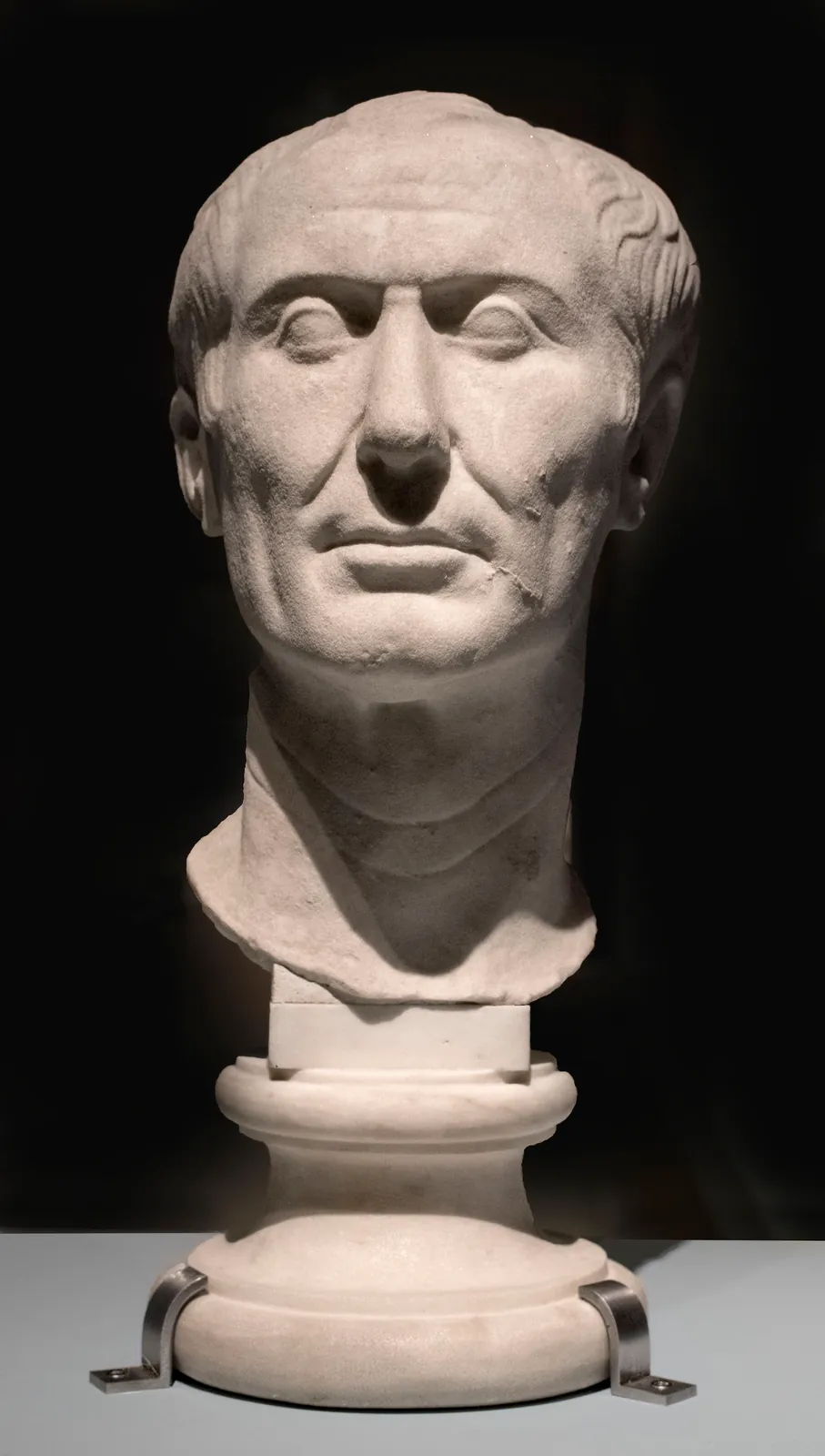
Caesar and the collapse of the Republic

A reading of the late-Republican crisis through Caesar — what he changed, what was already changing, and the long argument over whether he killed the Republic or buried what was already dead.

3 min readRead essay

Philosophers

Read the thinkers themselves

A growing library of editorial entries on the philosophers, statesmen, theologians and historians who shaped the inheritance.

All philosophers

Classical Greece

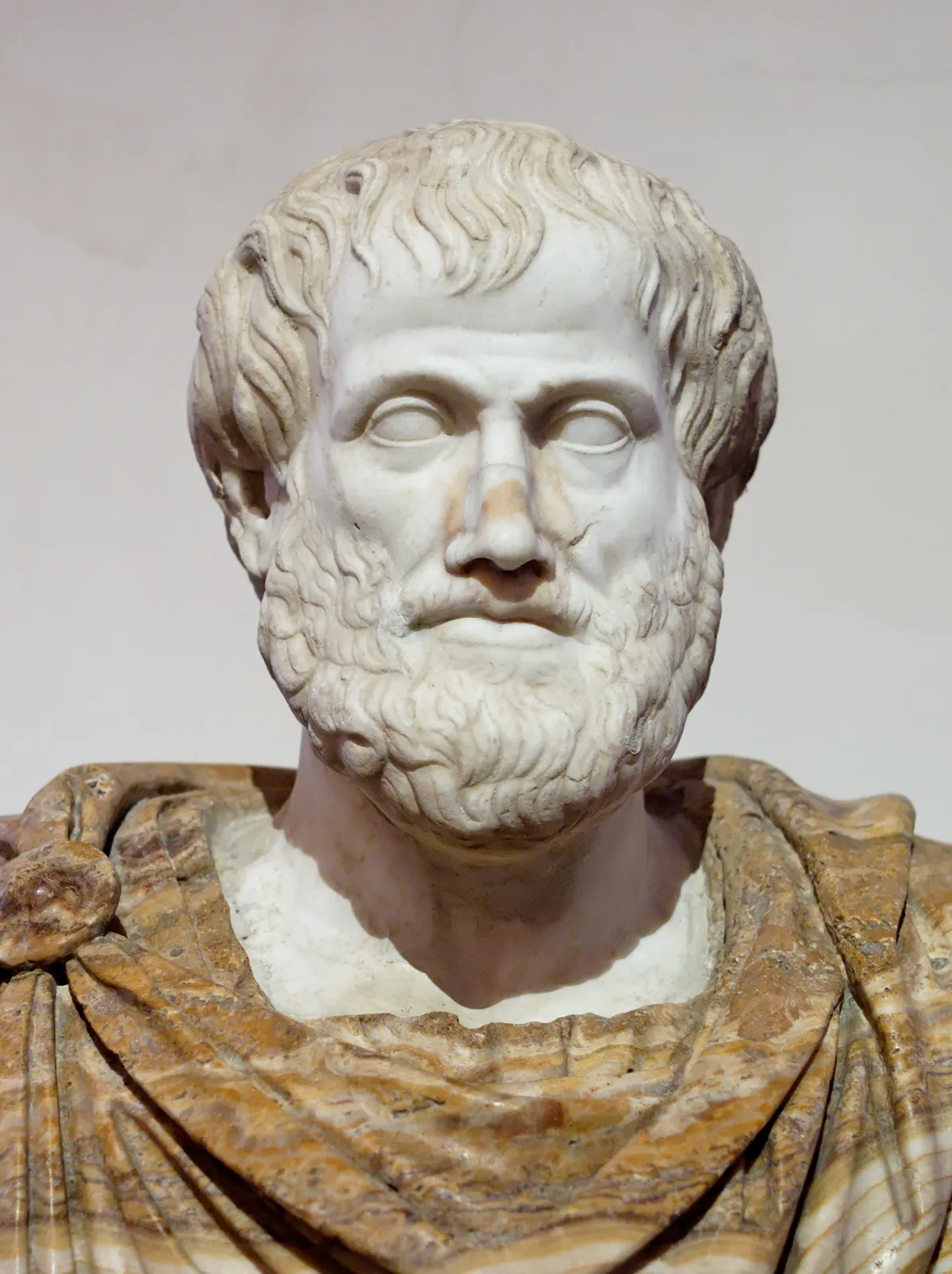
Aristotle

The Philosopher

384 – 322 BCE

Greek philosopher, student of Plato, founder of the Lyceum, and author of the treatises that defined the Western vocabulary for logic, ethics, politics and natural philosophy.

Read on Aristotle

Roman Empire

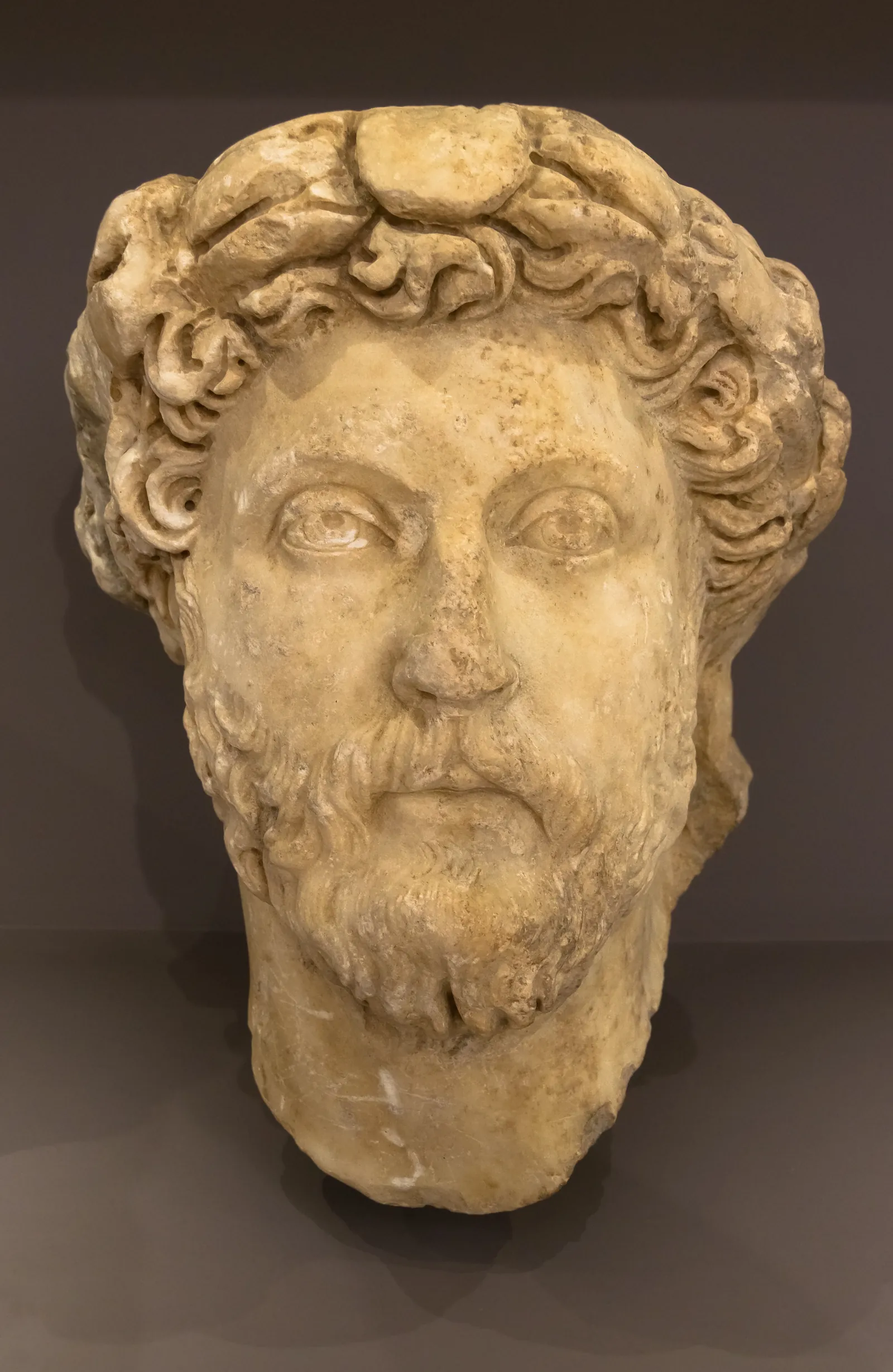
Augustus

Princeps

63 BCE – 14 CE

The first Roman emperor — Caesar's adopted son and political heir — whose decades-long settlement preserved the forms of the Republic while concentrating its substance in a single person, and whose imperial order shaped the Mediterranean for centuries.

Read on Augustus

Roman Republic

Cato the Younger

Cato Uticensis

95 – 46 BCE

The Roman senator and Stoic whose refusal to compromise with the political settlement Caesar imposed made him the standing emblem of Republican civic virtue for two thousand years of readers.

Read on Cato

Themes

Virtue, justice, power, leadership

Long-form studies of the recurring questions that classical thought returned to again and again.

All themes

Moral and political philosophy

Ambition

The classical inquiry into philotimia — the love of honour and distinction — and into when it makes a public life and when it deforms it.

Explore theme

Political philosophy

Civic Virtue

The disposition that makes a citizen willing to subordinate private advantage to the common life — and that the classical republican tradition treats as the precondition for self-government.

Explore theme

Political philosophy

Corruption

The classical inquiry into the deformation of institutions and characters under wealth, faction and unchecked power — the inverse of civic virtue.

Explore theme

Leadership

On rule, command and stewardship.

From the philosopher-king and Aristotelian phronēsis to the long tradition of mirrors-for-princes — a study of how classical and historical thought treated the question of who should rule, and how.

Explore Leadership

Statecraft

The architecture of political life.

Constitutions, factions, the cycle of regimes, the relation between virtue and institutions — read across Plato, Aristotle, Polybius, Cicero, Tacitus, and the long Roman and Christian afterlives of these questions.

Explore Statecraft

The Quote Library

Verified. Sourced. Traceable.

Every quotation we publish carries its precise citation — a Stephanus page for Plato, a Bekker number for Aristotle, a book and chapter for the historians and theologians. No quotation appears here until it has been verified to a primary text.

Visit the quote library

We do not invent quotations, we do not paraphrase a passage and present it as a verbatim quote, and we do not attribute lines to figures who did not write them.

Editorial policyVirtue & Power

Books

The primary texts

Editorial guides to the foundational works of the Western tradition — what they argue, how they are structured, and how to read them.

All books

Late Republic and early Augustan, c. 27 BCE onward

Ab Urbe Condita

by Titus Livius (Livy)

Livy's monumental history of Rome from the founding to his own day — 142 books originally, of which 35 survive intact — read for two thousand years as the great repository of Roman *exempla* and as the most sustained ancient defence of civic virtue as a national inheritance.

Read the entry

Late Roman Republic, 58–51 BCE

Commentarii de Bello Gallico

by Gaius Julius Caesar

Caesar's seven-book first-person account of the Gallic campaign of 58–51 BCE, published while the war was still in progress — at once a military dispatch, a literary masterpiece of Latin prose, and a political instrument intended to shape Roman public opinion about a command the Senate could not control.

Read the entry

Classical Greece, 4th century BCE

Cyropaedia

by Xenophon

Xenophon's "Education of Cyrus" — a long pseudo-biographical study of the founder of the Persian Empire, often regarded as the first sustained ancient treatment of how a leader is formed.

Read the entry

The Ancient World

Athens, Rome, Jerusalem.

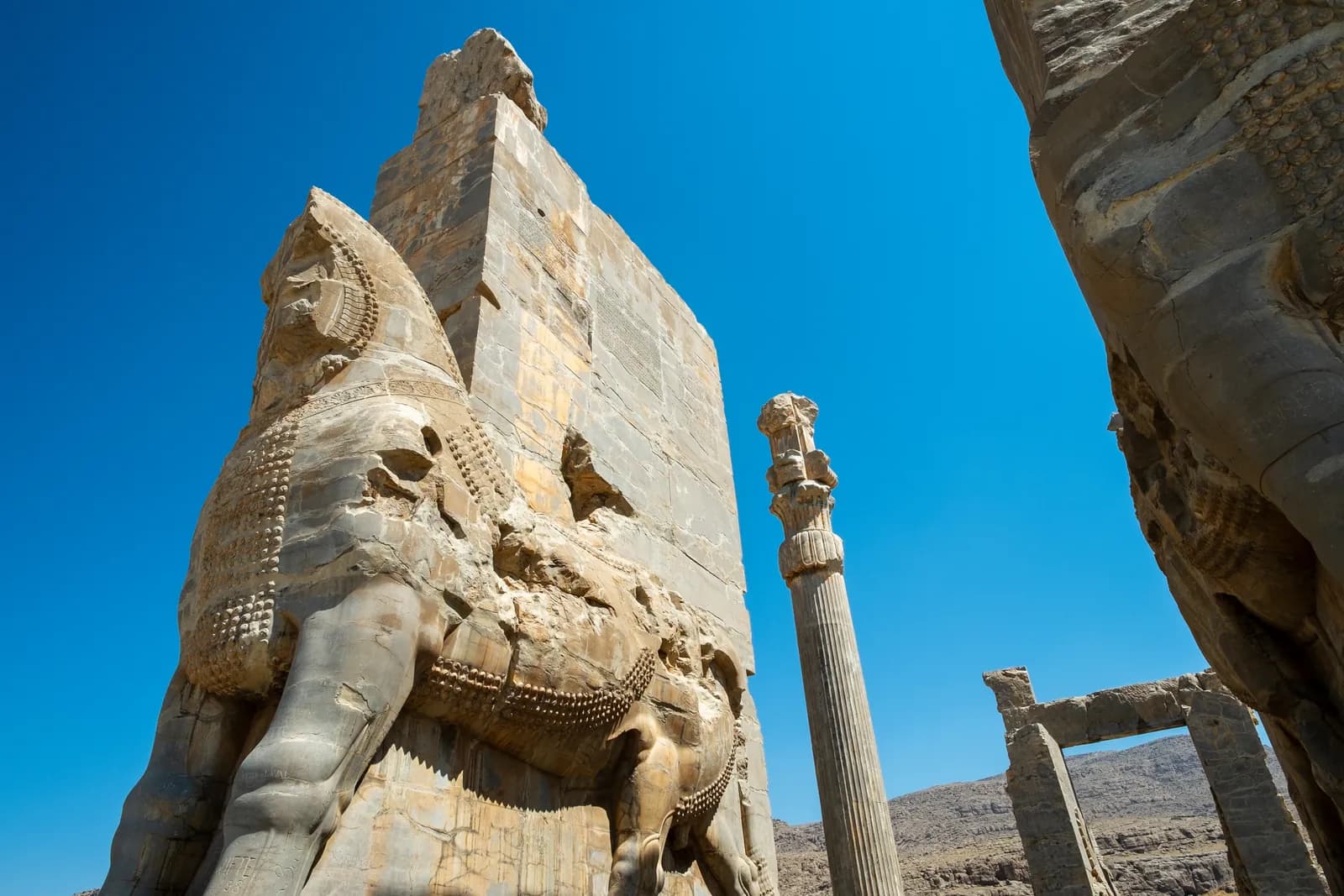
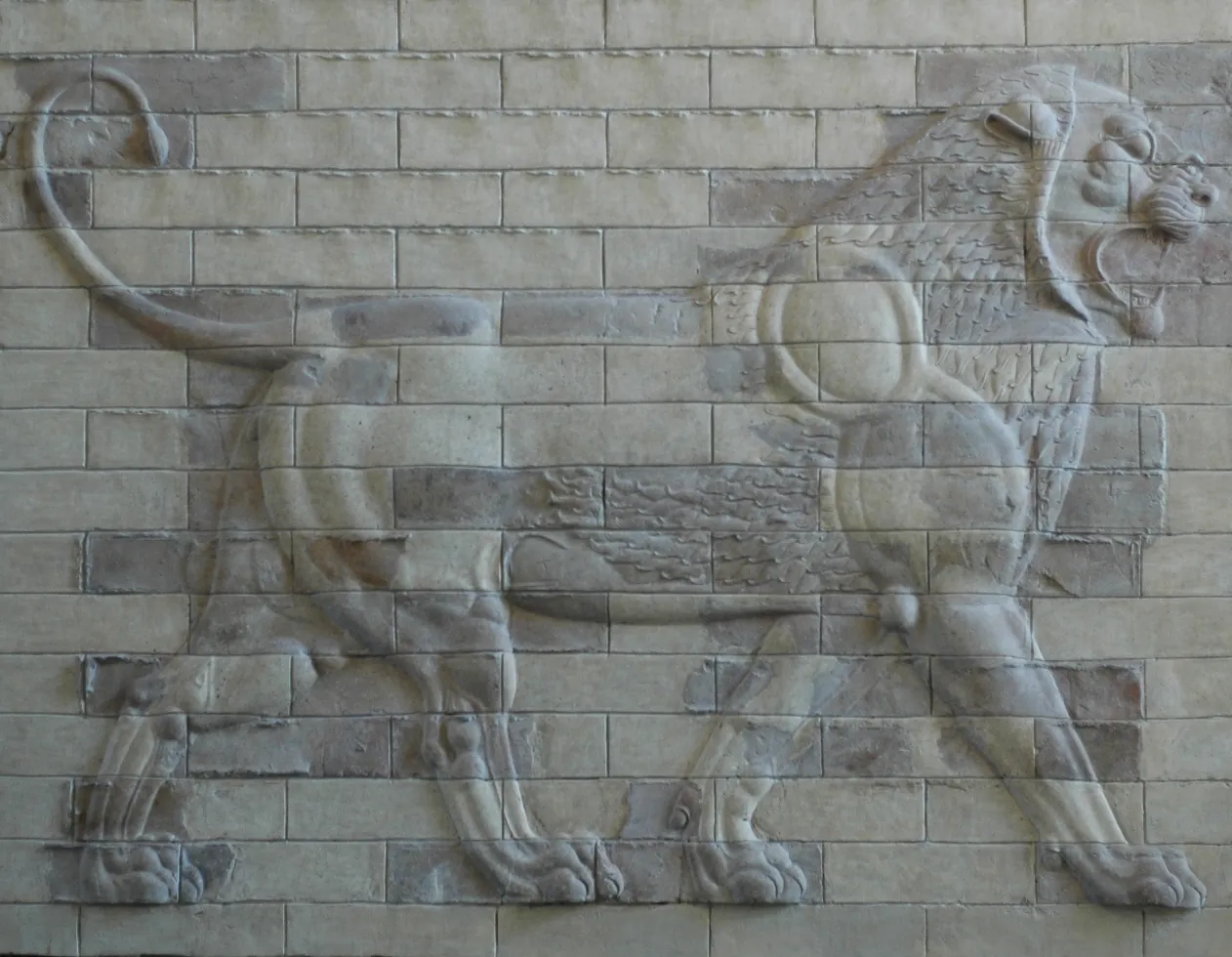
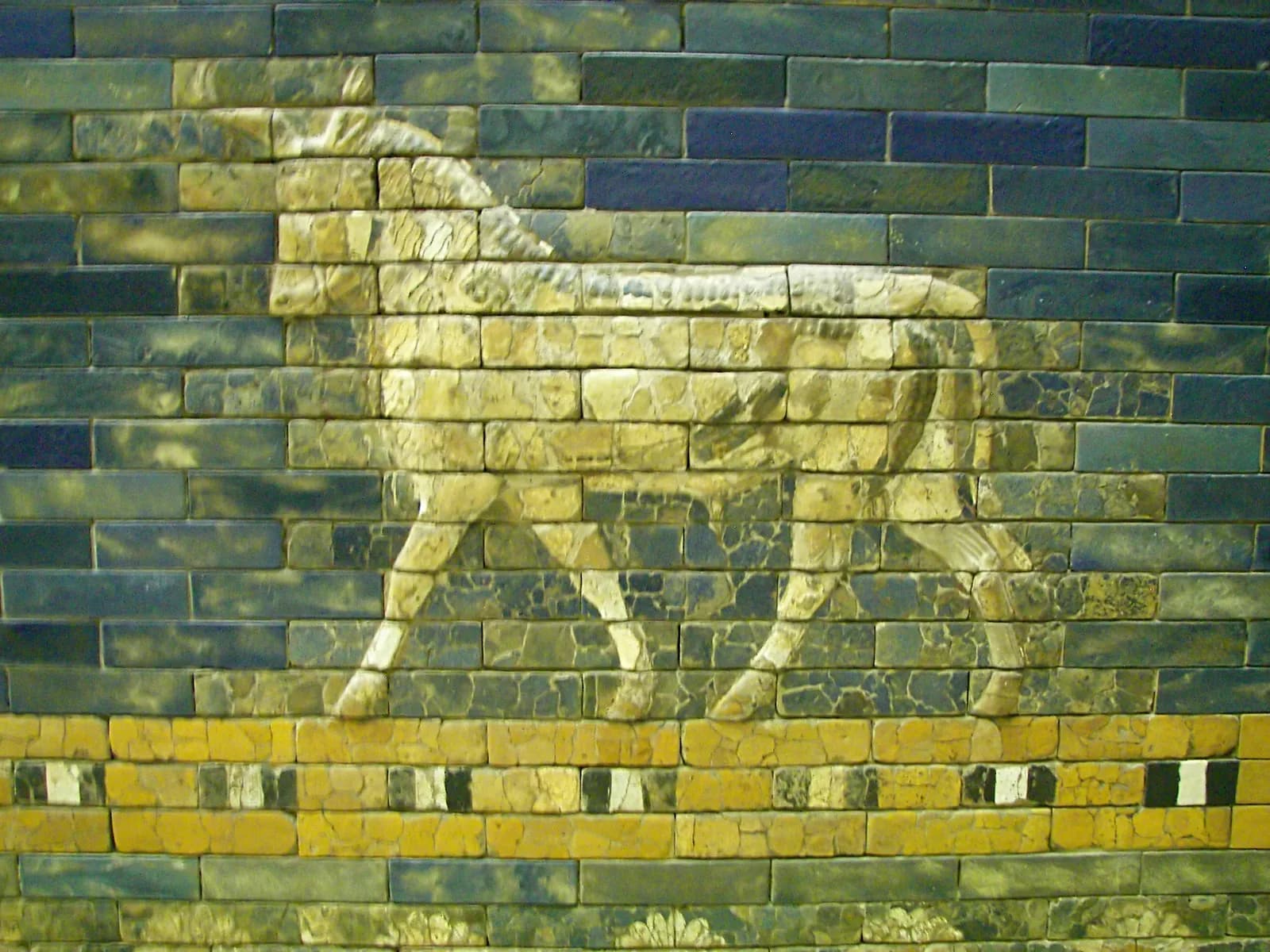
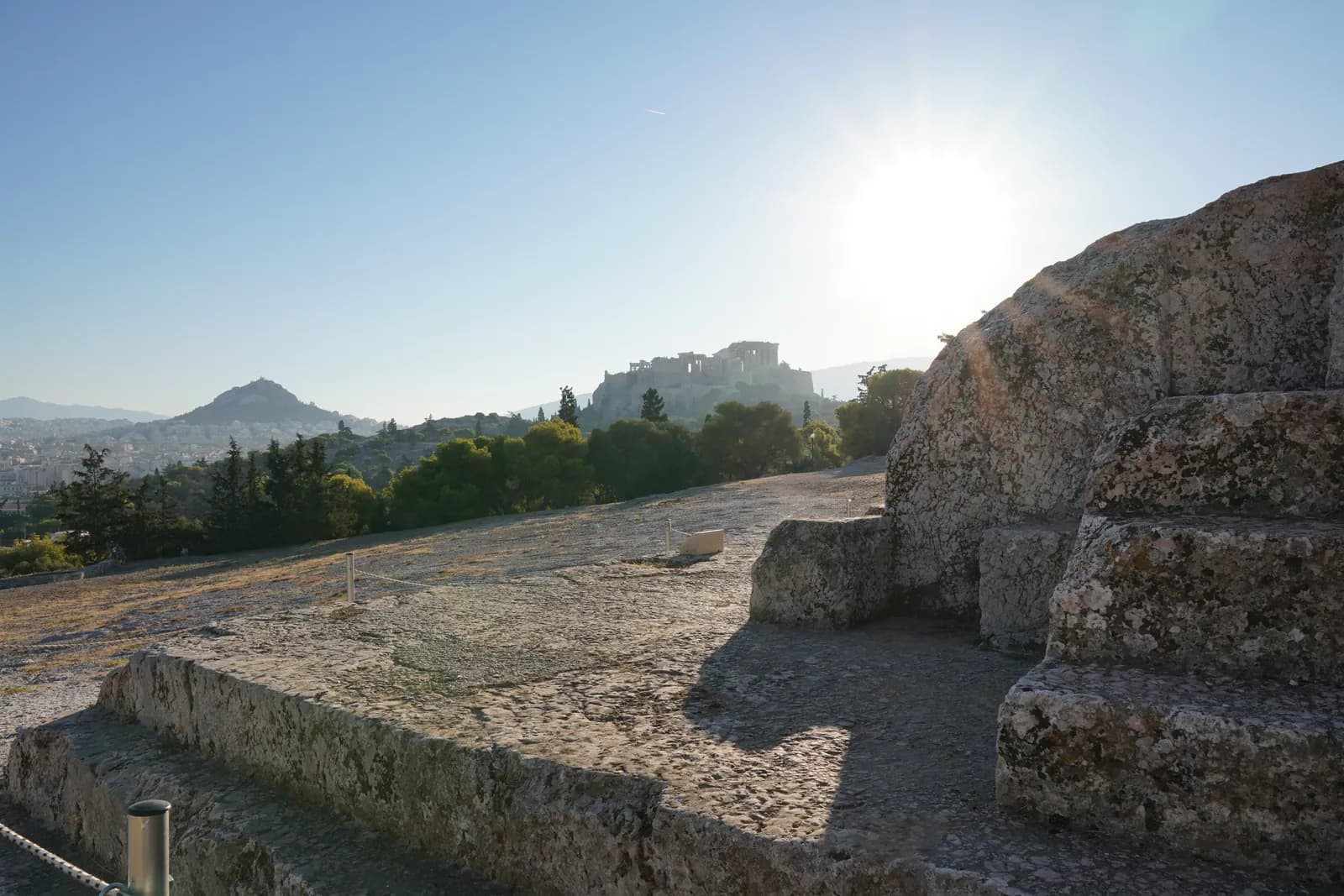
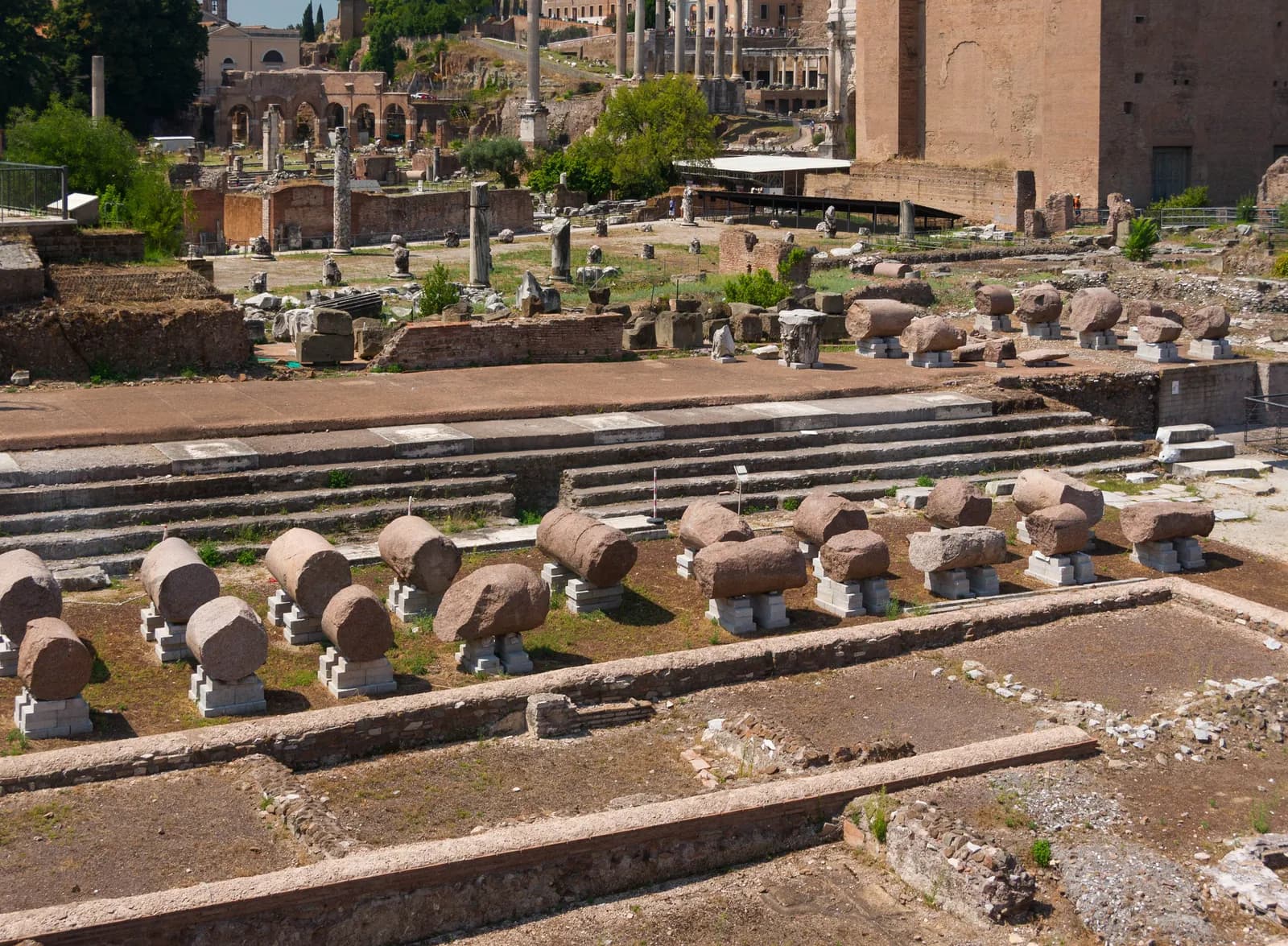
The historical world that produced the classical tradition is not background — it is the soil in which the texts grew. The Ancient World section places the philosophers and their works inside the polities, religions and wars that shaped them.

Enter the Ancient WorldEnter the Roman Republic

Comparisons

Thinkers and traditions, read against each other

Side-by-side studies that resist the slogan and follow the argument.

All comparisons

Comparison

Iliad and Odyssey

Two Homeric epics, transmitted together for nearly three thousand years — read in antiquity as a single inheritance, debated in modern scholarship as possibly the work of different hands.

Greek literatureRead essay

The journal

A correspondence on virtue, power and the long view.

Occasional essays and reading notes. No spam, no churn, no AI-generated filler. We write when there is something worth saying.