Skip to content

Library

Philosophers

An editorial library of entries on the philosophers, statesmen, theologians and historians of the classical and historical tradition.

The classical and historical tradition is not a single voice. The entries below are organised by the era a thinker belongs to — Archaic, Classical and Hellenistic Greece, the Roman Republic and Empire, the Christian and medieval inheritance — so the reader can see at a glance where a figure stands in the long conversation. The library is curated and grows slowly; each entry is editorially reviewed before it leaves stub.

Archaic Greece

Archaic Greece

Homer

Poet of the Iliad and Odyssey

traditional dating, 8th century BCE

The traditional author of the Iliad and the Odyssey — the figure at the head of the Greek literary tradition, and a problem of ancient authorship the modern scholarly tradition has been arguing about for two centuries.

Read on Homer

Archaic Greece

Lycurgus

Lawgiver of Sparta

traditionally dated to the 8th or 7th century BCE; historicity disputed

The traditional Spartan lawgiver — historical or legendary — credited with the institutions that made Sparta the most disciplined polity of the classical Greek world.

Read on Lycurgus

Archaic Greece

Solon

Lawgiver of Athens

c. 630 – c. 560 BCE

Athenian lawgiver, poet and reformer of the early sixth century BCE whose constitutional settlement laid the institutional ground on which Athenian democracy would later be built.

Read on Solon

Classical Greece

Classical Greece

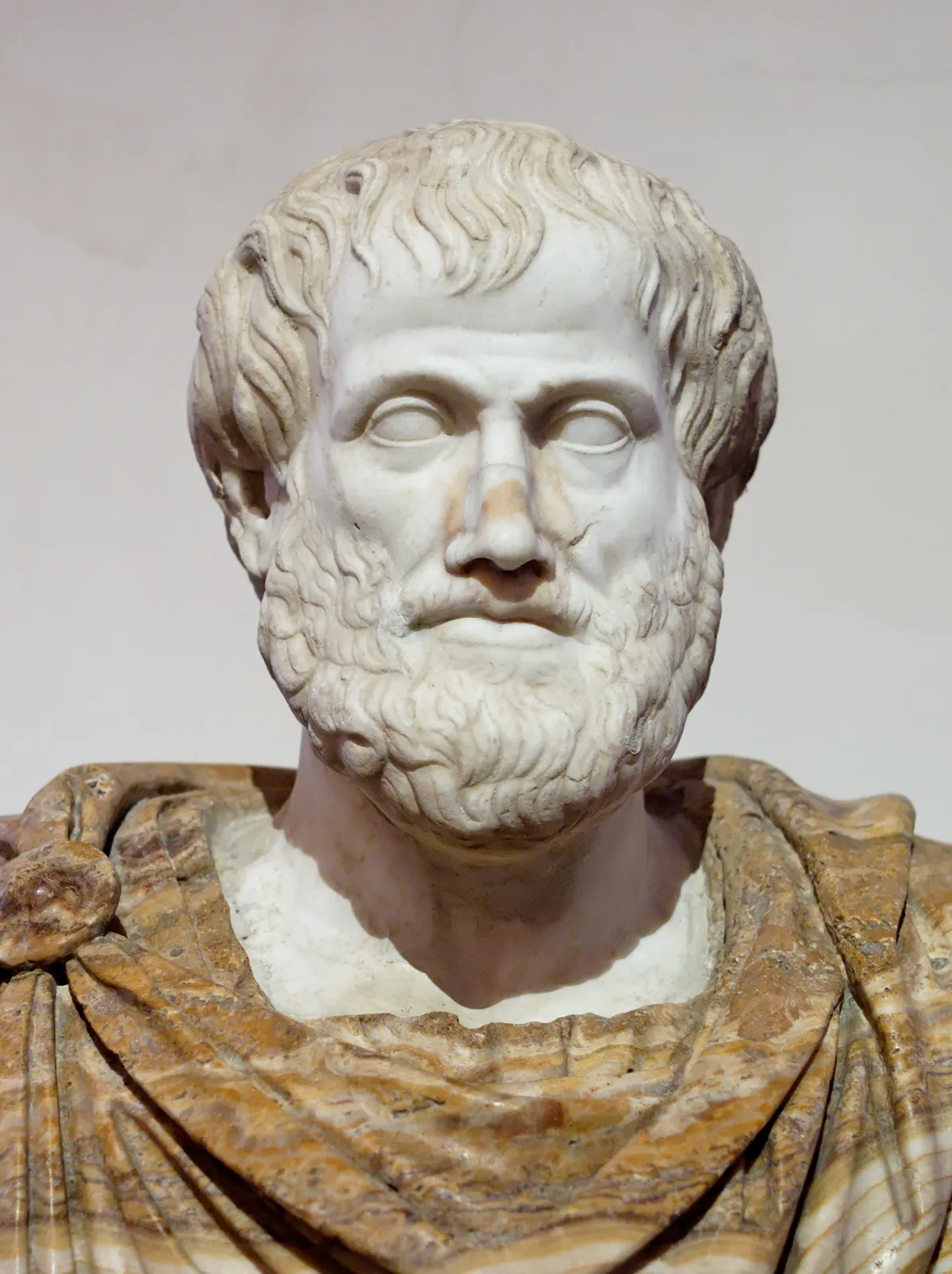
Aristotle

The Philosopher

384 – 322 BCE

Greek philosopher, student of Plato, founder of the Lyceum, and author of the treatises that defined the Western vocabulary for logic, ethics, politics and natural philosophy.

Read on Aristotle

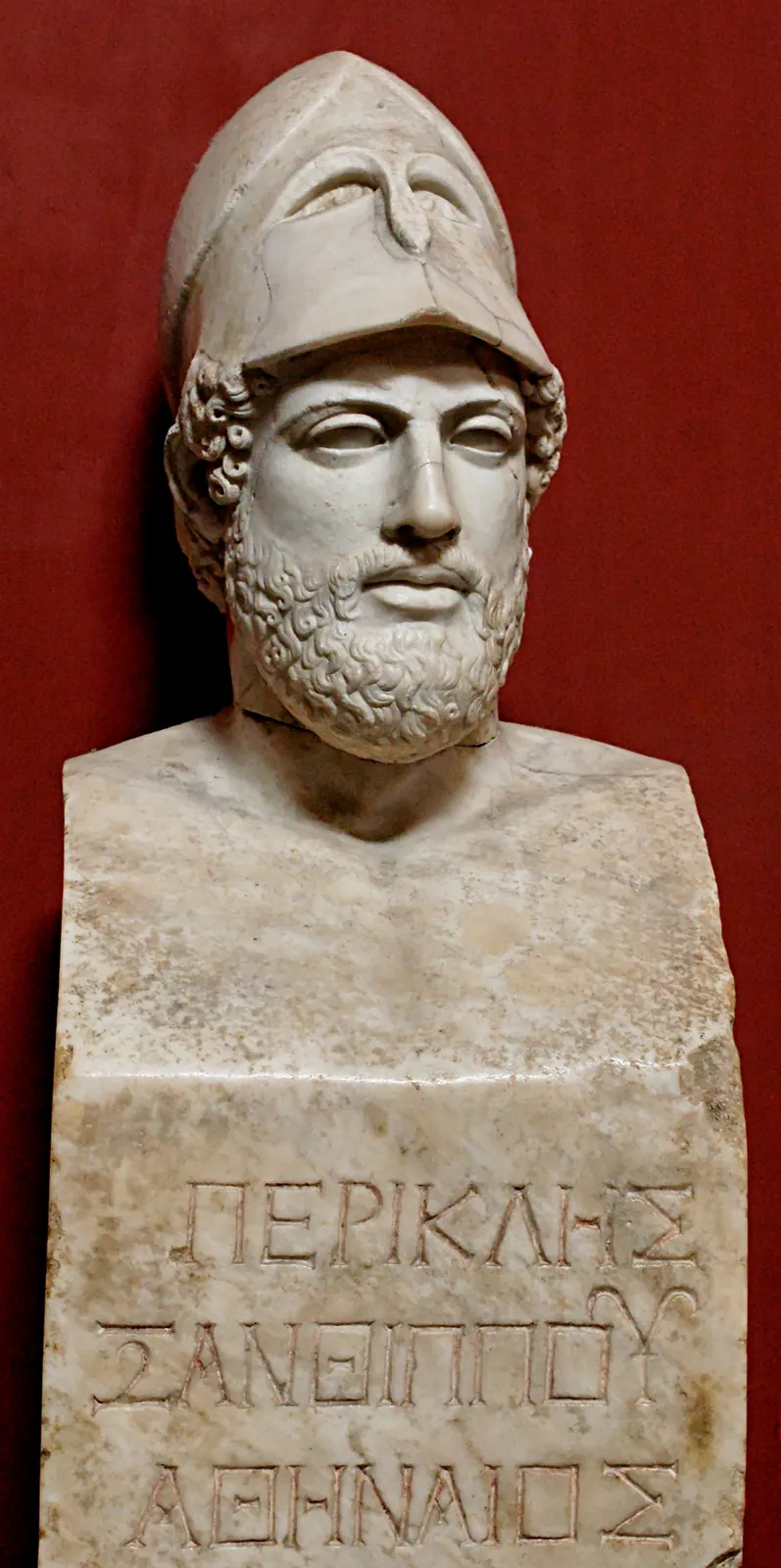
Marble herm of Pericles wearing the strategos helmet, Roman copy after a Greek original by Kresilas, c. 430 BCE.

Classical Greece

Pericles

First citizen of Athens

c. 495 – 429 BCE

The Athenian statesman whose generation of effective political leadership shaped the Athens of the fifth century — the polity from which Thucydides, Plato and the rest of the classical tradition emerged.

Read on Pericles

Classical Greece

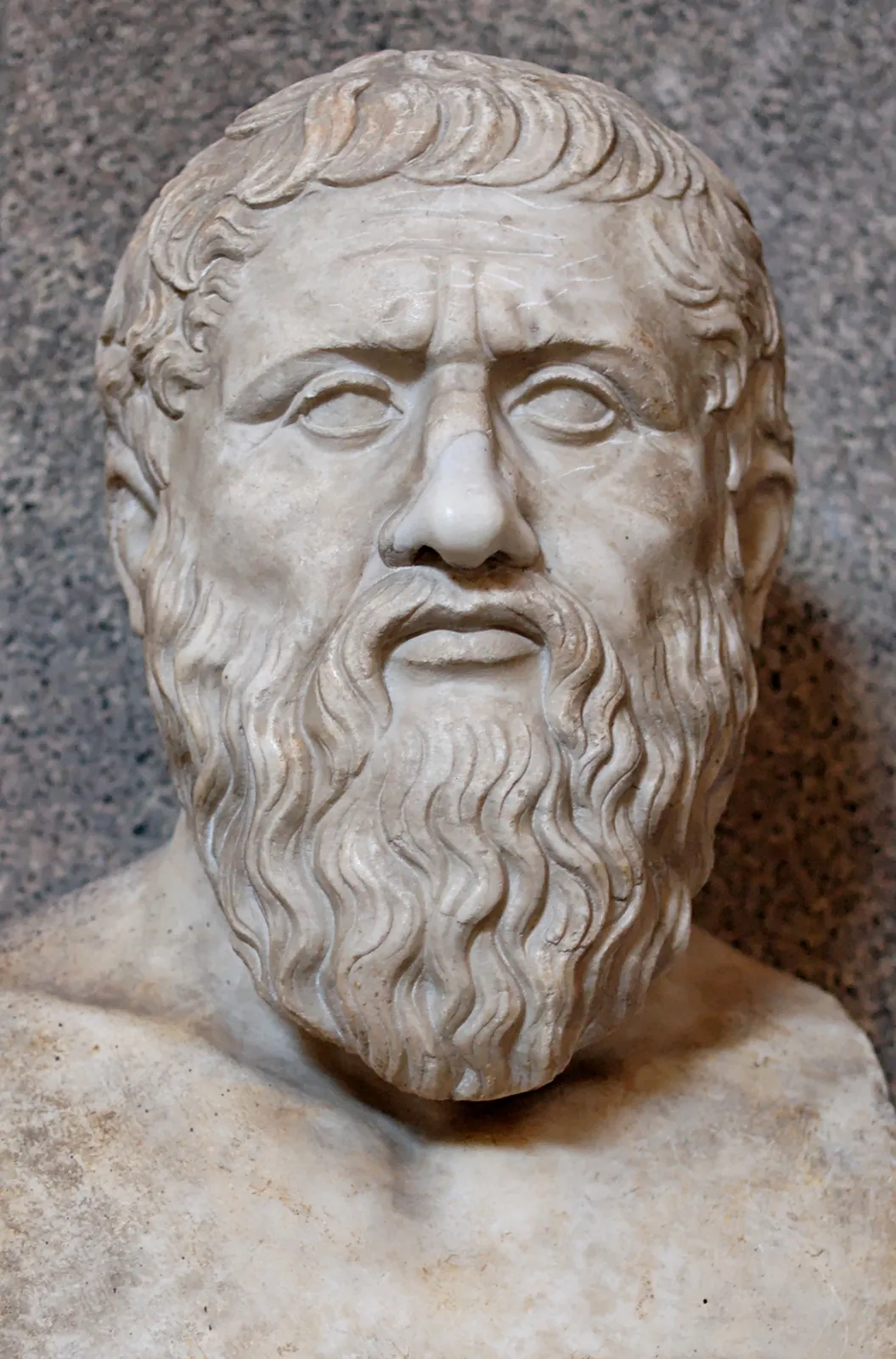
Plato

Founder of the Academy

c. 428 – 348 BCE

Athenian philosopher, founder of the Academy, and author of the dialogues that organise the philosophical tradition around the question of the well-ordered soul and the well-ordered city.

Read on Plato

Classical Greece

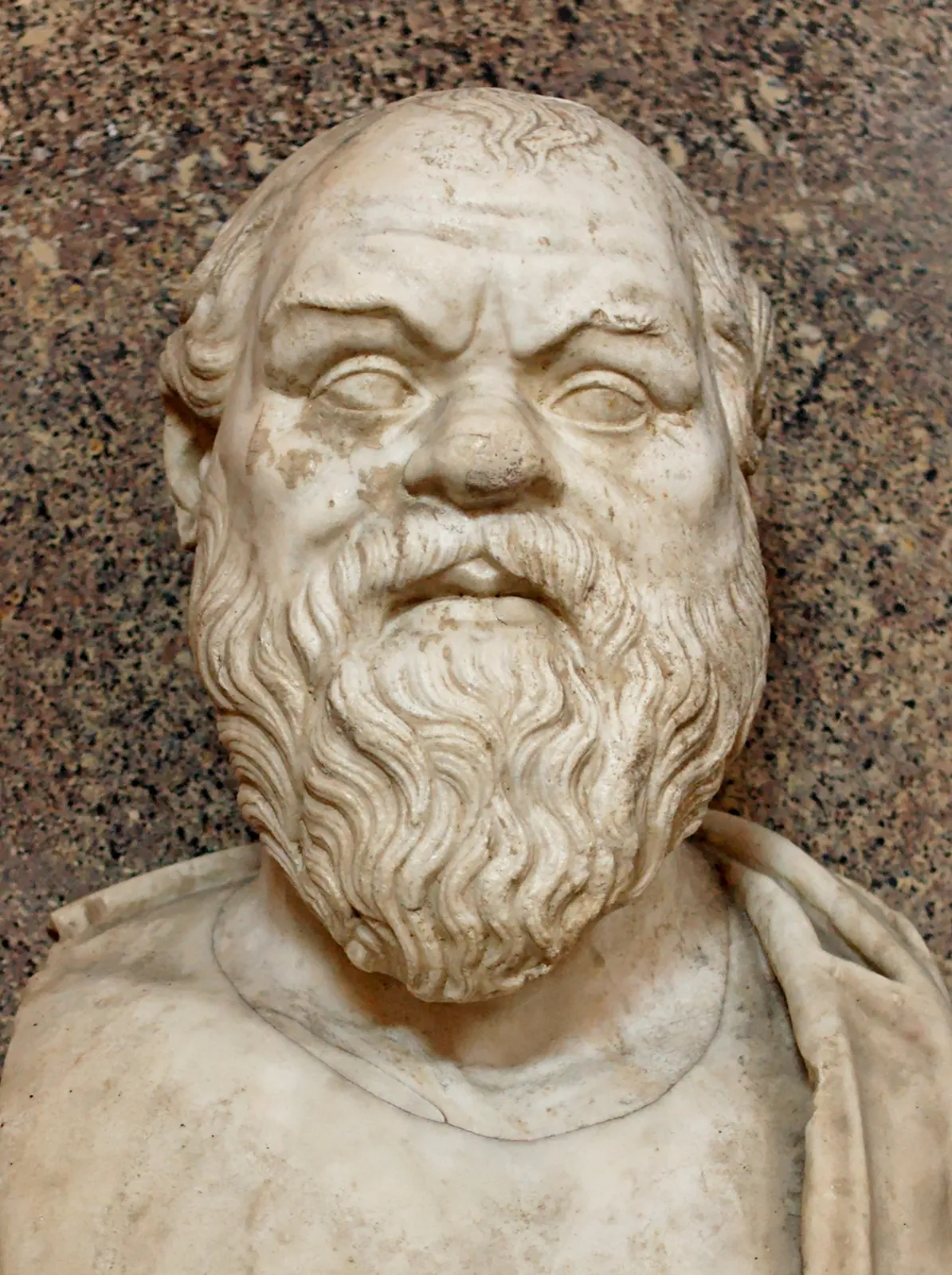
Socrates

The questioner

c. 470 – 399 BCE

Athenian philosopher of the fifth century BCE — teacher of Plato and Xenophon, examined life on trial, and the central figure of the Socratic dialogues he himself never wrote.

Read on Socrates

Classical Greece

Themistocles

Victor of Salamis

c. 524 – c. 459 BCE

The Athenian statesman whose insistence on building a fleet and on fighting the Persians at Salamis made the survival of Greek political independence in the early fifth century possible.

Read on Themistocles

Classical Greece

Xenophon

The soldier-historian

c. 430 – c. 354 BCE

Athenian soldier, historian and student of Socrates — author of the Anabasis, the Hellenica, the Cyropaedia and the Socratic works that sit alongside Plato's as our second main witness to Socrates.

Read on Xenophon

Roman Republic

Roman Republic

Cato the Younger

Cato Uticensis

95 – 46 BCE

The Roman senator and Stoic whose refusal to compromise with the political settlement Caesar imposed made him the standing emblem of Republican civic virtue for two thousand years of readers.

Read on Cato

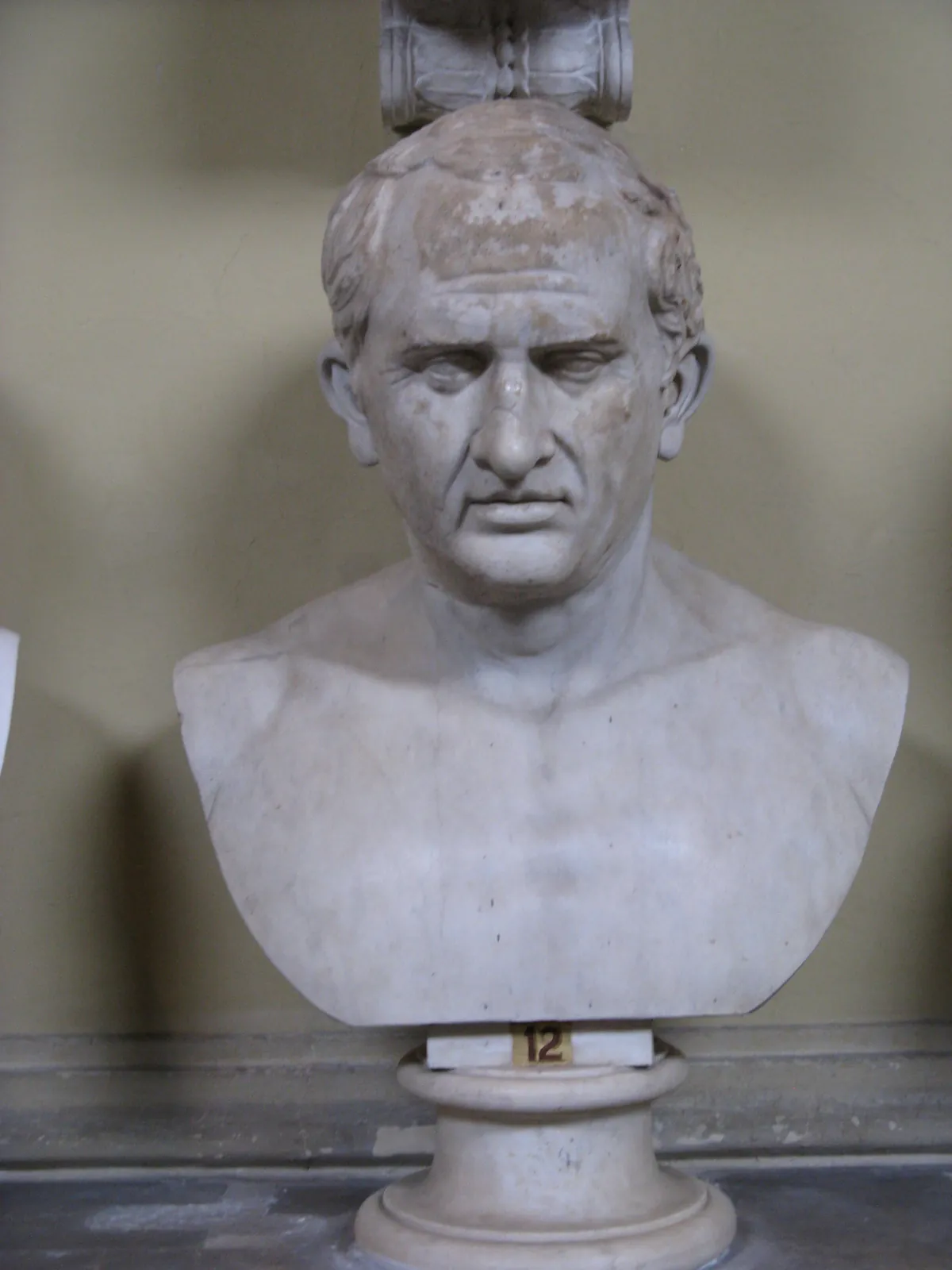
Marble bust of Marcus Tullius Cicero, late Republican Roman portraiture, Vatican Museums.

Roman Republic

Cicero

Father of his Country

106 – 43 BCE

The Roman statesman, orator and philosopher whose writings preserved the Greek philosophical inheritance for Latin Europe and whose career was the late Republic's last serious attempt to defend itself through political argument rather than through arms.

Read on Cicero

Roman Republic

Gaius Marius

Reformer of the legions

c. 157 – 86 BCE

The Roman general and seven-time consul whose reforms of the army and repeated breaches of Republican norms began the institutional unwinding that ended the Republic two generations later.

Read on Gaius

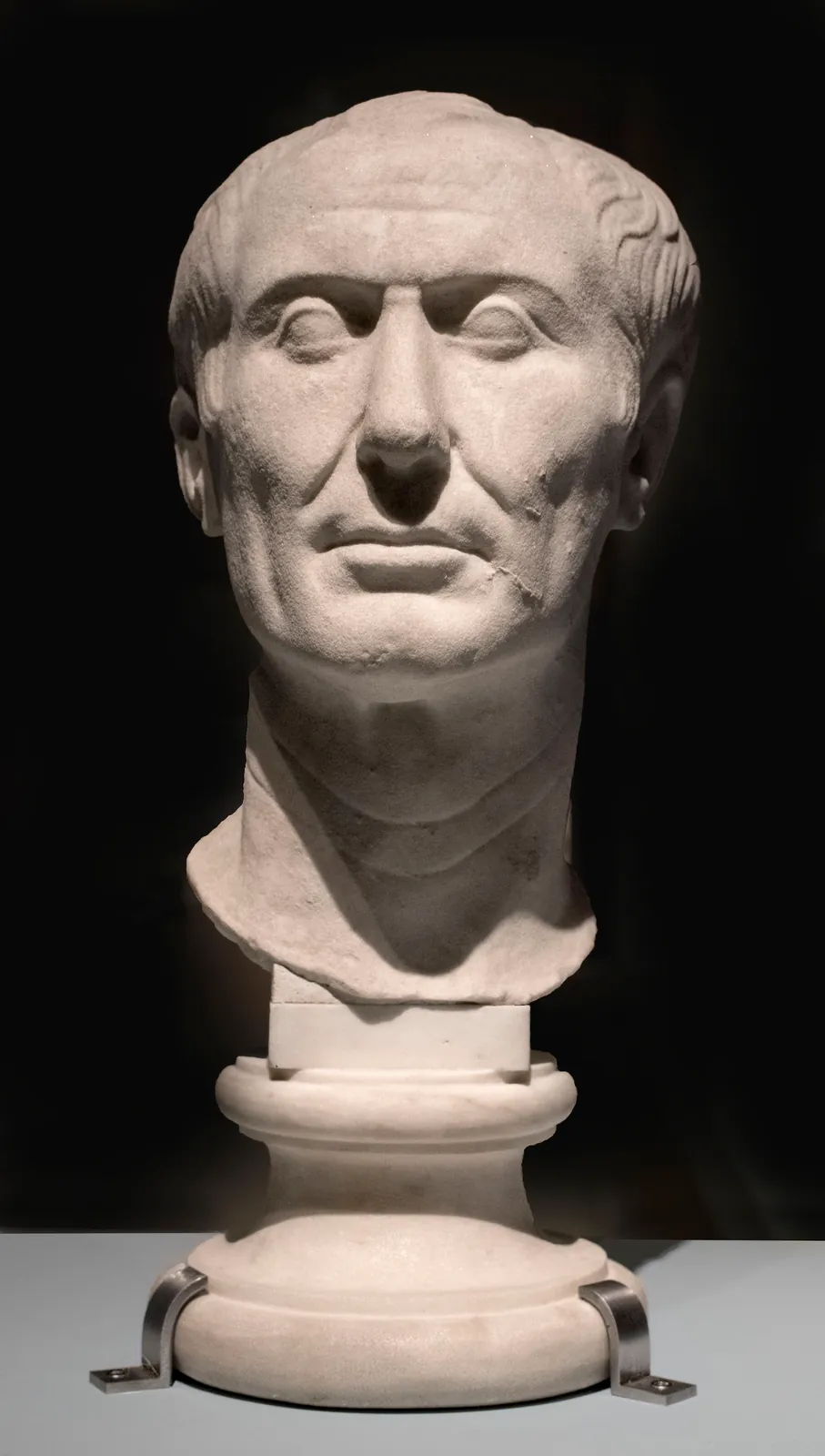
The Tusculum portrait of Julius Caesar, a marble bust dated to the late Republic and identified as the only likeness made of him in his lifetime.

Roman Republic

Julius Caesar

Dictator perpetuo

100 – 44 BCE

The Roman general, statesman and writer whose decade-long Gallic command, civil war against Pompey, and brief dictatorship effectively ended the Roman Republic — and made him the single most-read figure of European political history.

Read on Julius

Roman Republic

Lucius Cornelius Sulla

Dictator and self-styled Felix

138 – 78 BCE

The Roman general who marched on Rome at the head of his own legions, held the dictatorship and used it to restore the senatorial constitution — and then to walk away.

Read on Lucius

Roman Republic

Pompey

Pompey the Great

106 – 48 BCE

Pompeius Magnus — the Roman general whose vast military reputation gave him a decade of unprecedented Eastern command and whose final political alignment broke the late Republic into open civil war.

Read on Pompey

Roman Republic

Scipio Africanus

Victor at Zama

236 – c. 183 BCE

The Roman general whose generation of command turned the Second Punic War and made Rome the dominant power of the western Mediterranean — read as the type of the Republican statesman at his best.

Read on Scipio

Roman Empire

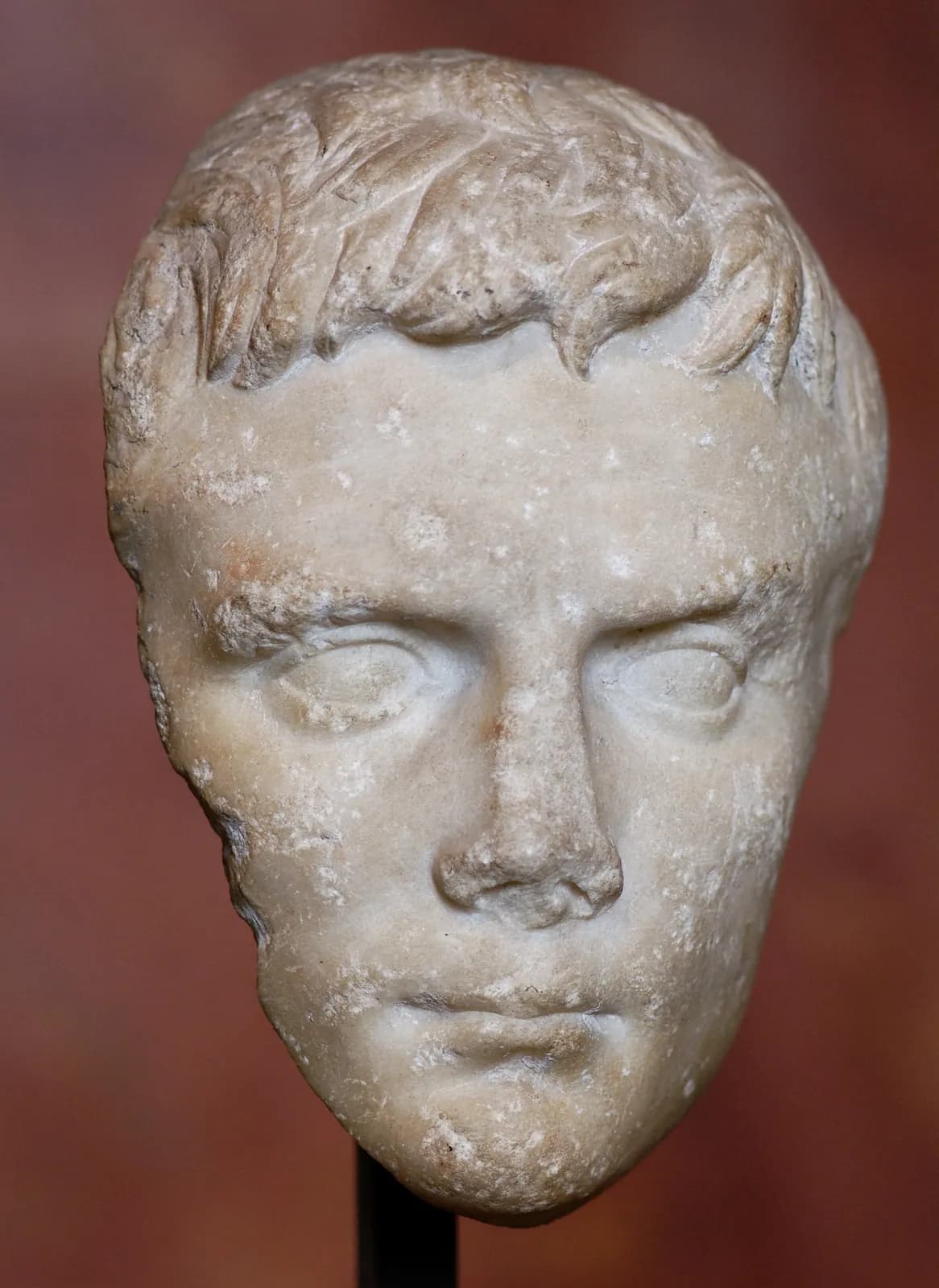
Marble portrait of Augustus as a young man, from Kos, Augustan period, now in the Louvre.

Roman Empire

Augustus

Princeps

63 BCE – 14 CE

The first Roman emperor — Caesar's adopted son and political heir — whose decades-long settlement preserved the forms of the Republic while concentrating its substance in a single person, and whose imperial order shaped the Mediterranean for centuries.

Read on Augustus

Roman Empire (Greek under Rome)

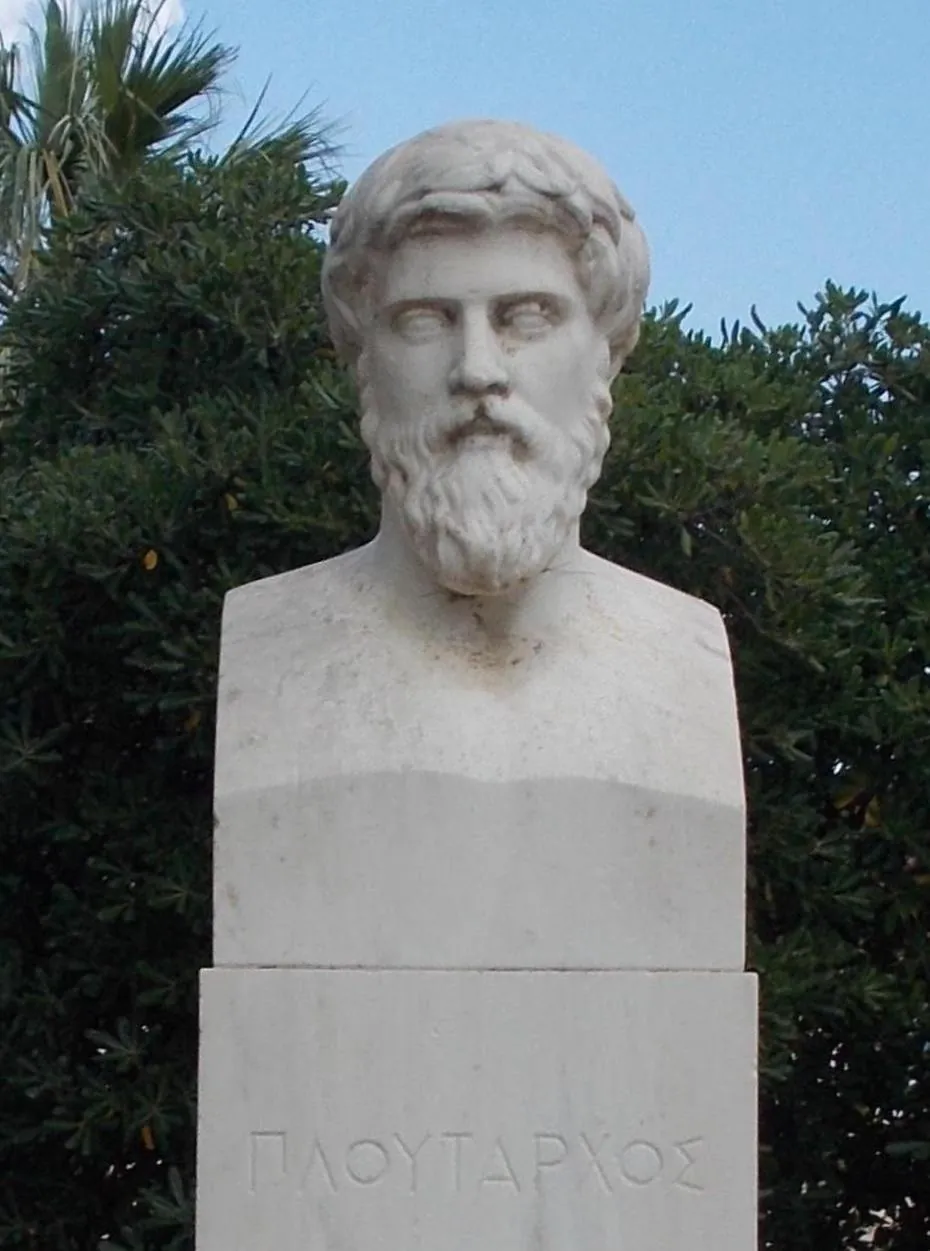
Plutarch

Priest of Delphi

c. 46 – c. 120 CE

Greek biographer and essayist of the Roman imperial period — author of the Parallel Lives and the Moralia, and the main classical conduit for the European study of character through history.

Read on Plutarch

Roman Empire (early second century)

Suetonius

Biographer of the Caesars

c. 69 – after 122 CE

The imperial secretary turned biographer whose *Lives of the Twelve Caesars* personalised the principate as a sequence of human characters — and gave the European tradition its standing portrait of what unchecked power does to the man who holds it.

Read on Suetonius

Roman Empire (Flavian and early second century)

Tacitus

The conscience of imperial Rome

c. 56 – c. 120 CE

The senatorial historian whose *Annales* and *Historiae* produced the sharpest extant ancient analysis of what unbounded imperial power did to political character — and the conscience that the European republican tradition kept turning back to.

Read on Tacitus

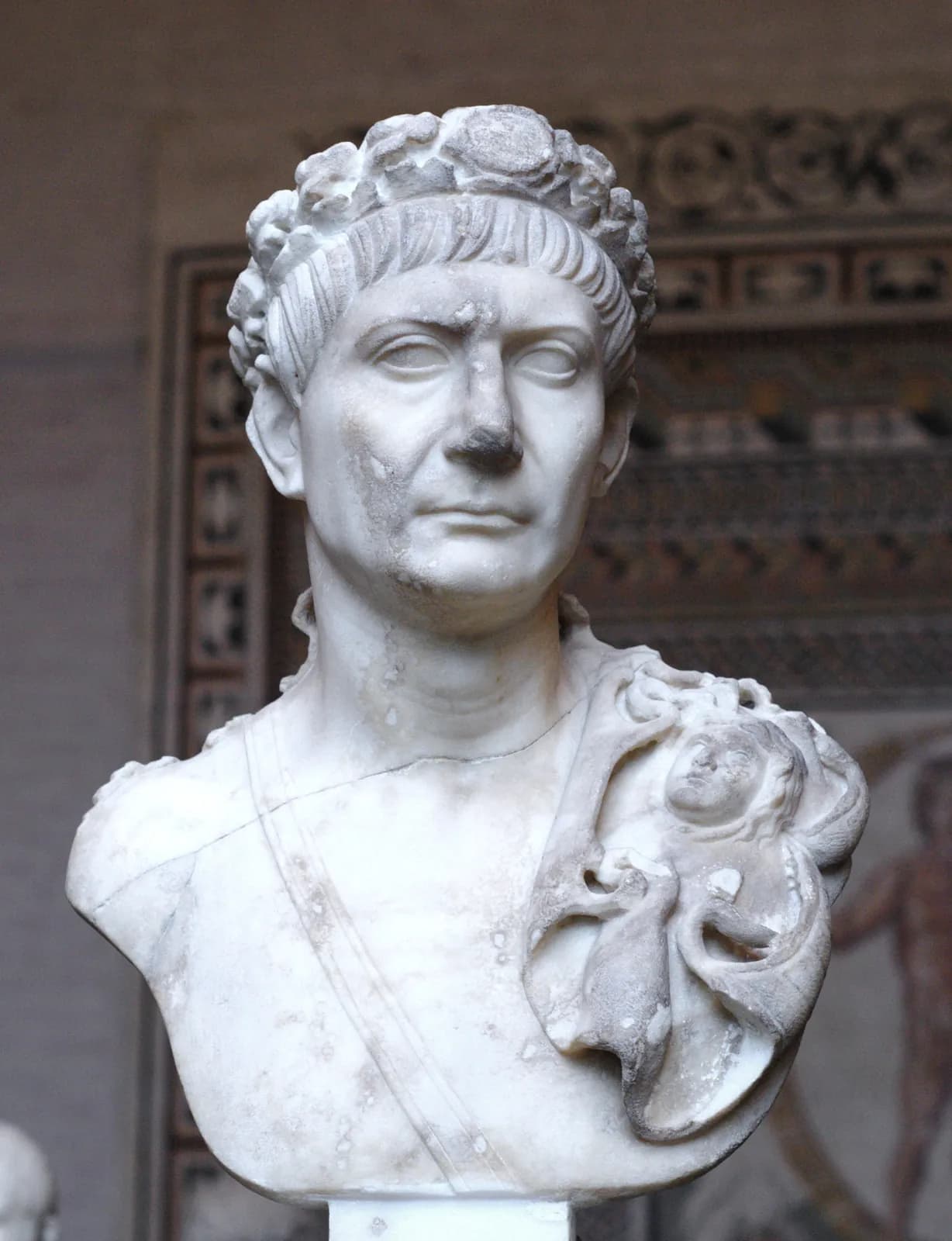
Marble bust of the Emperor Trajan wearing the civic crown, aegis and sword-belt, Glyptothek Munich, early 2nd century CE.

Roman Empire (early second century)

Trajan

Optimus Princeps

53 – 117 CE

The Spanish-born soldier-emperor whose reign carried the Roman empire to its greatest territorial extent, oversaw the most considered building programme of the imperial era, and gave the European tradition its standing case for what an imperial order under disciplined leadership could look like.

Read on Trajan

Persian Empire

Persian Empire

Cyrus the Great

Founder of the Achaemenid Empire

c. 600 – 530 BCE

Founder of the Achaemenid Persian Empire and the first ancient figure the Greek tradition treated as the type of the well-ordered ruler over a vast and diverse domain.

Read on Cyrus

Late Republic and early Augustan

Late Republic and early Augustan

Livy

Historian of the Roman founding

c. 59 BCE – c. 17 CE

The Patavian historian whose monumental *Ab Urbe Condita* — 142 books on Rome from the founding to his own day — gave the European tradition its working understanding of early Rome, and its standing case for history as moral education.

Read on Livy

Archaic Italy

Archaic Italy

Numa Pompilius

Second King of Rome

traditionally dated c. 715 – c. 673 BCE; historicity disputed

The traditional second king of Rome — historical or legendary — credited with founding the institutional religious and civic order of the early city after the warrior reign of Romulus.

Read on Numa

Hellenistic and middle Roman Republic

Hellenistic and middle Roman Republic

Polybius

Analyst of the Roman constitution

c. 200 – c. 118 BCE

The Greek statesman-historian taken to Rome as a hostage after Pydna who, from inside the Scipionic circle, produced the analysis of Roman constitutional balance that shaped European political thought from Cicero through Madison.

Read on Polybius

Late Roman Republic

Late Roman Republic

Sallust

The moralist of Roman decline

c. 86 – c. 35 BCE

The Roman senator-turned-historian who, writing in retirement under the Second Triumvirate, produced the most influential ancient diagnosis of the late Republic's moral collapse — and gave the European tradition its standing vocabulary for talking about civic corruption.

Read on Sallust