Eras
Roman Republic
The careers, institutions and arguments through which Rome built its republic — and lost it. Read as the longest sustained case study of civic virtue, military command and constitutional decline in the European tradition.
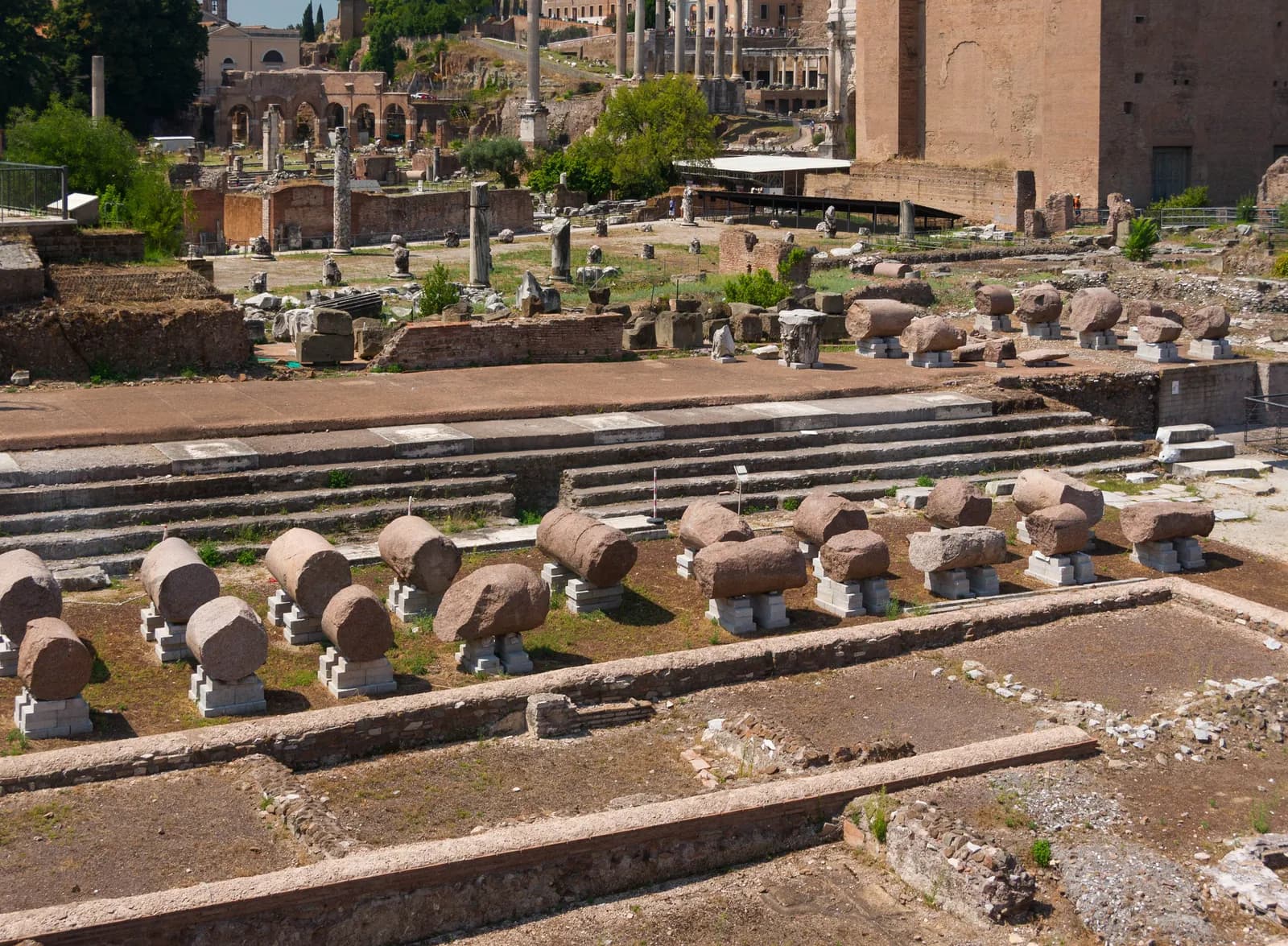
The Roman Republic stood for nearly five centuries. The European tradition has not stopped reading it because the questions it posed — what civic virtue is, what a magistrate owes the city, what holds a constitution together, what causes a constitution to dissolve — are the questions every later republic has had to answer in some form.
We read the Republic in two registers. The first is the interpretive register: how the figures and their decisions look in light of the moral vocabulary the tradition itself constructed — gravitas, constantia, officium, the mos maiorum. The second is the structural register: what happens to a republic when the army comes to depend on its generals, when extraordinary commands become normal, when civil violence enters political life and is not pushed back out.
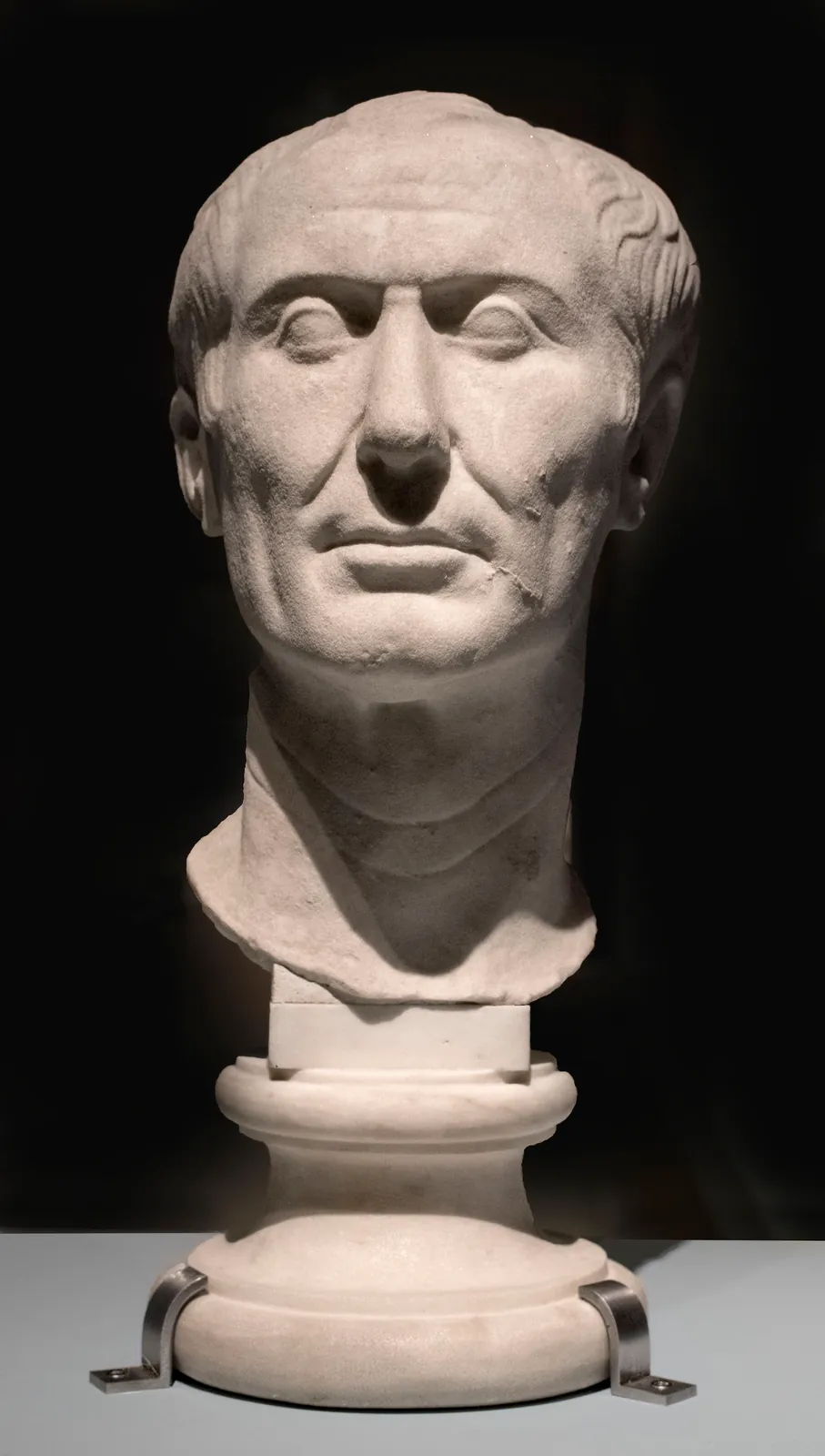
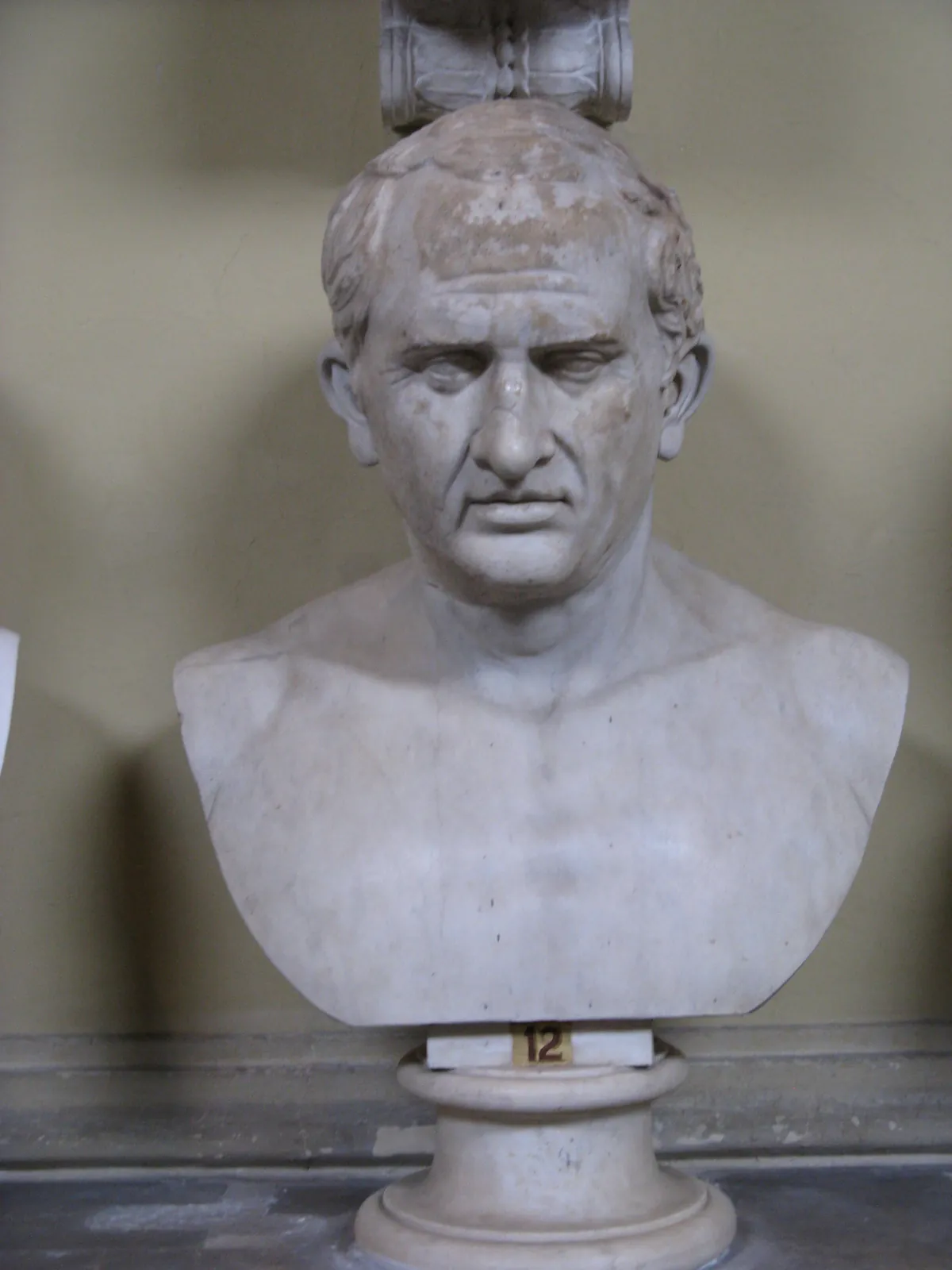
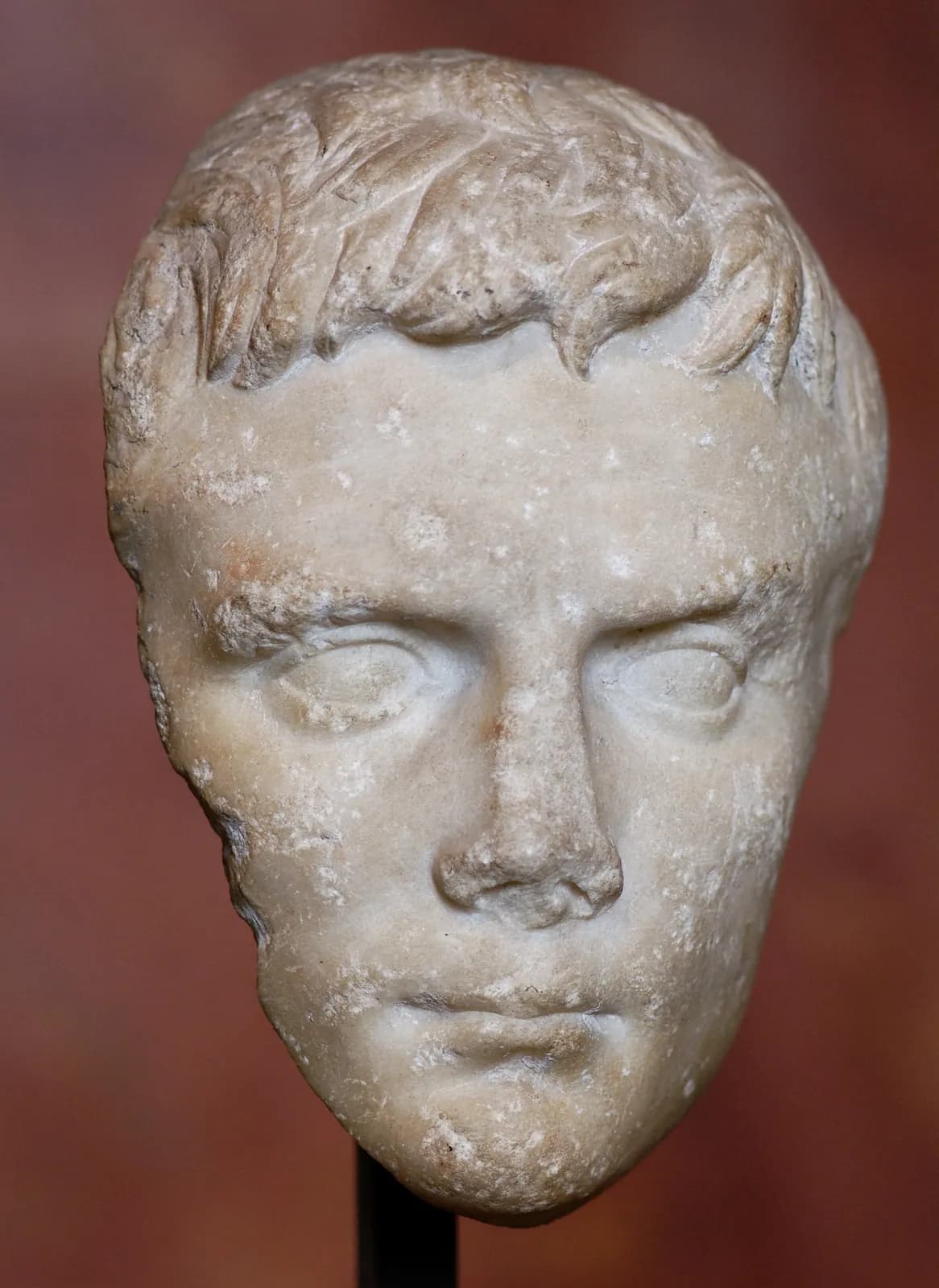
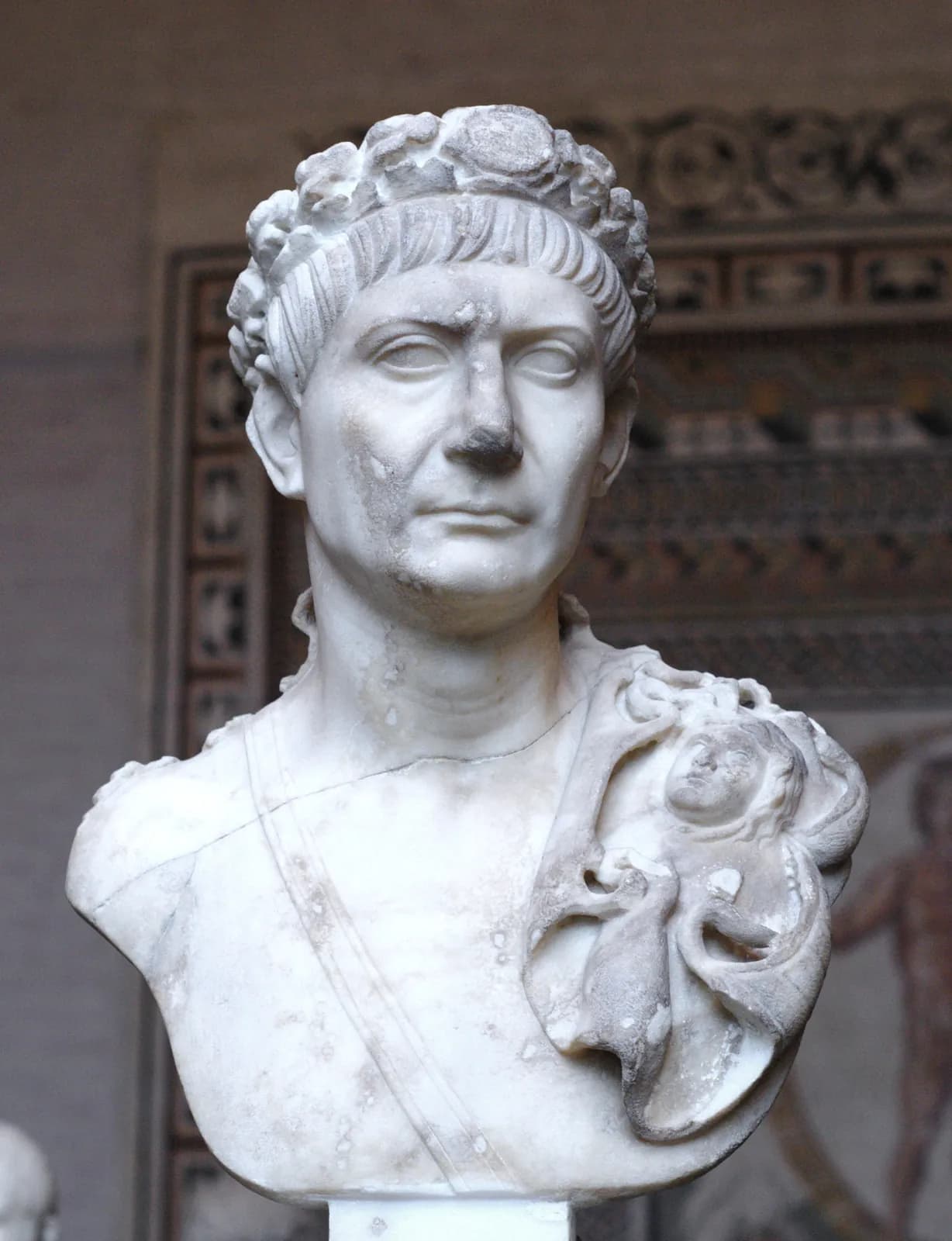
The figures range from the legendary founder Numa Pompilius through Scipio Africanus, Marius and Sulla, Pompey and Caesar, Cato the Younger and Cicero, to Augustus, whose settlement preserved the forms of the Republic while concentrating its substance in one person.
Figures of the era