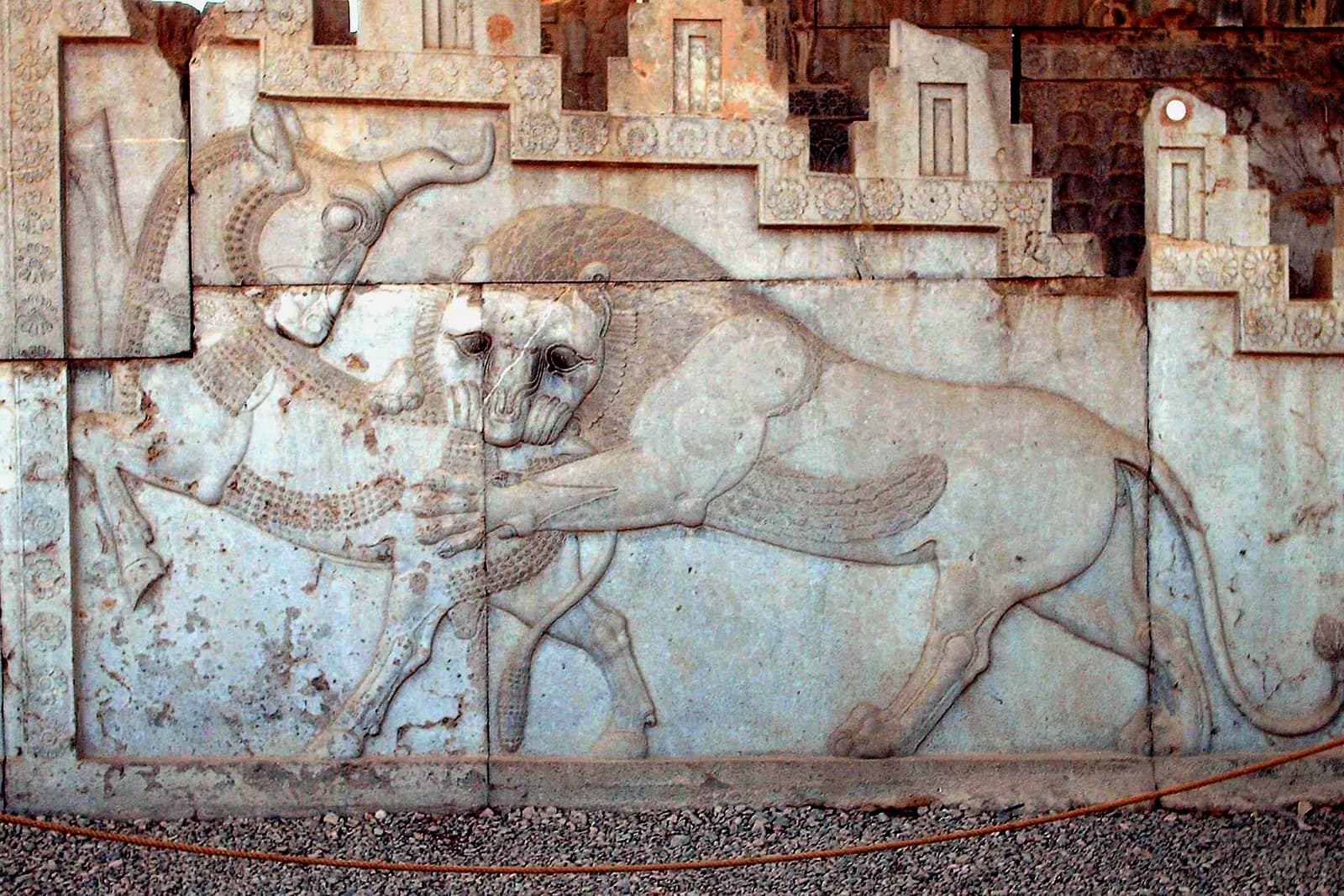
c. 550 – 330 BCE (from Cyrus's unification of Persia to Alexander's conquest)
The first world-empire — Cyrus's conquests made into Darius's system, governing a continent of peoples from the Aegean to the Indus for two centuries.
The first ancient world-empire — founded by Cyrus, systematised by Darius, stretching from the Aegean to the Indus for two centuries. The civilization that invented the durable multi-ethnic imperial order, and the durable counterpoint to the Greek and Roman experiments.
Enter Achaemenid Empire→
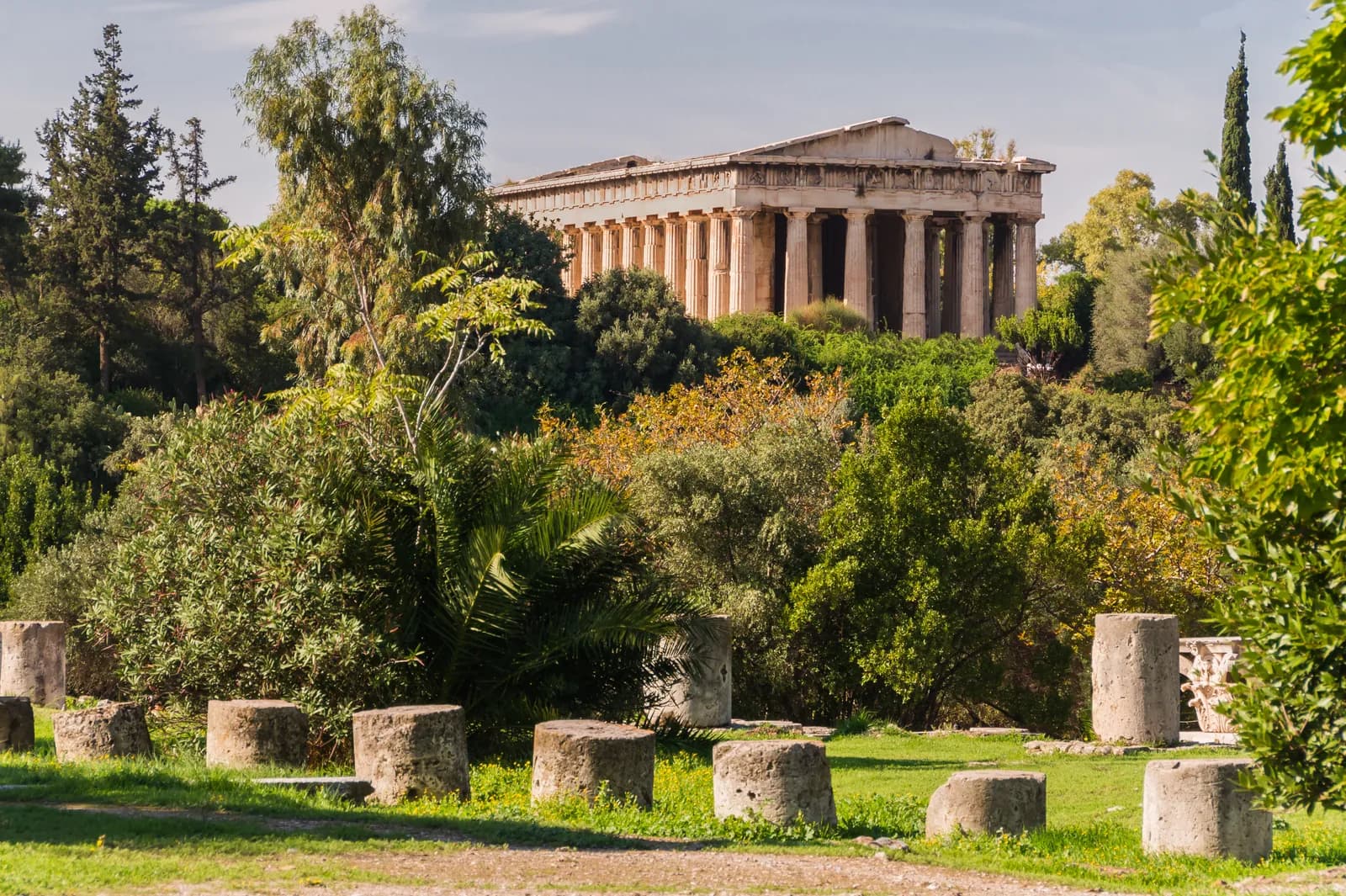
Athenian polis, c. 600 BCE – 322 BCE (with civic continuity under Macedon and Rome)
The polis in which the practice of political argument as public business reached its working extent — and the case the European tradition has read for two and a half millennia.
The Greek city-state in which the practice of political argument as public business — citizens facing one another in the assembly, the law-court and the theatre — reached its working extent. The case the European tradition has continued to read for two and a half millennia.
Enter Athens→
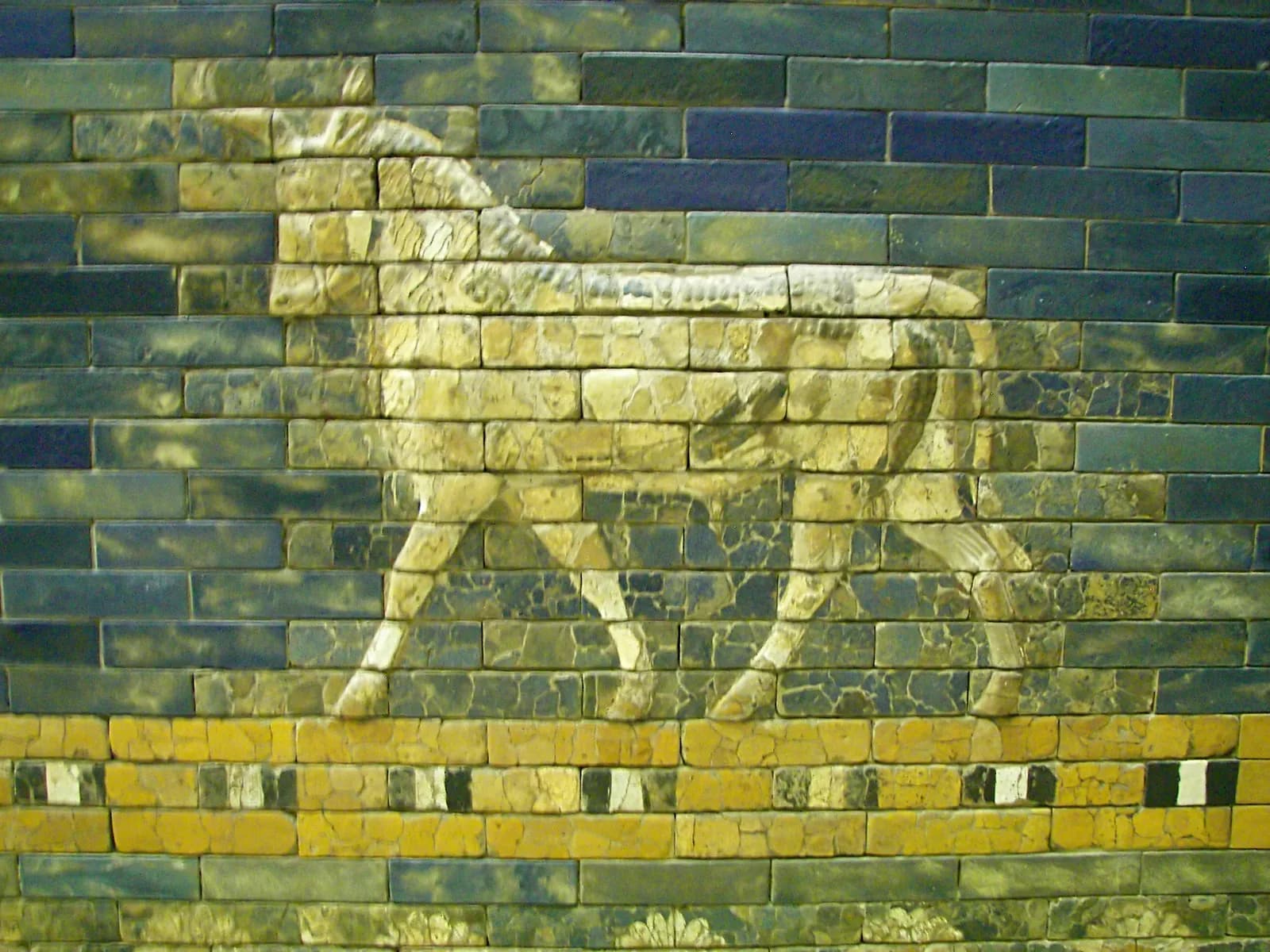
Old Babylonian and Neo-Babylonian periods, c. 1894 – 539 BCE
The Mesopotamian capital that turned royal power into published law — and, a millennium later, fell to Cyrus and became the showpiece of how an empire rules by restoration.
The Mesopotamian city whose kings gave the ancient Near East its greatest law-code and its most famous monumental gate — the civilization in which the platform reads the earliest grounding of royal authority in published justice.
Enter Babylon→
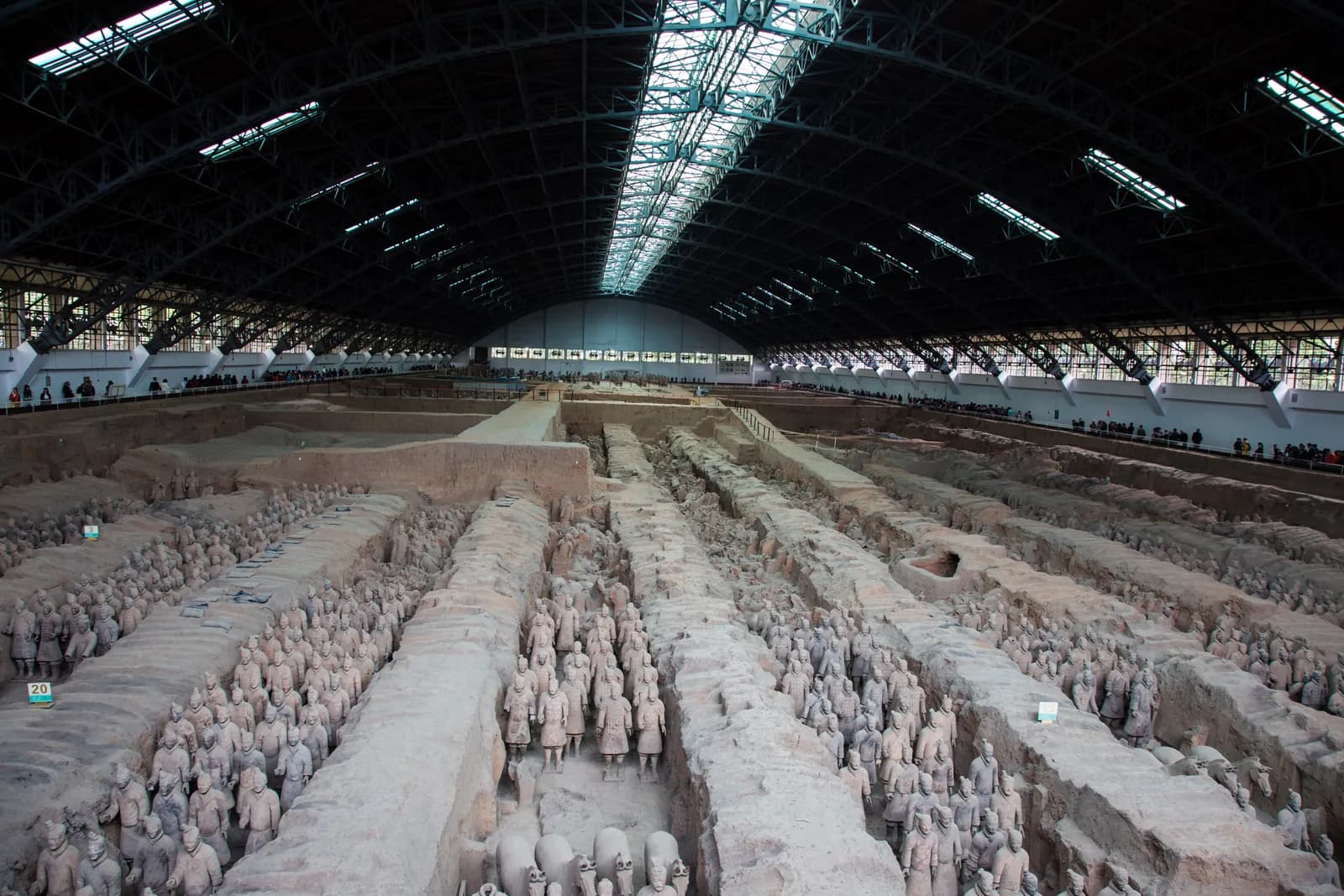
Qin and early Han, c. 221 BCE – 9 CE (on Warring States foundations)
How a war of kingdoms became a single administrative empire — and how the Legalist machine that built it was housed inside a Confucian moral order that made it last two thousand years.
The Qin unification and Han consolidation that turned a contending plurality of states into a single bureaucratic empire — where the platform reads the great contest between Legalist administration and Confucian virtue resolved into a lasting synthesis.
Enter Early Imperial China→

c. 3100 BCE – 30 BCE (Pharaonic, with Ptolemaic continuation)
Sacred monarchy across three millennia — the longest continuous ancient political order, and the civilizational form whose monumental architecture made the sacred political order visible at the scale of the landscape.
The civilization whose pharaonic monarchy and temple bureaucracy ran continuously across three thousand years — the long ancient case study of sacred kingship, scribal administration, and an architectural form that made the sacred political order visible at the scale of the landscape.
Enter Egypt→
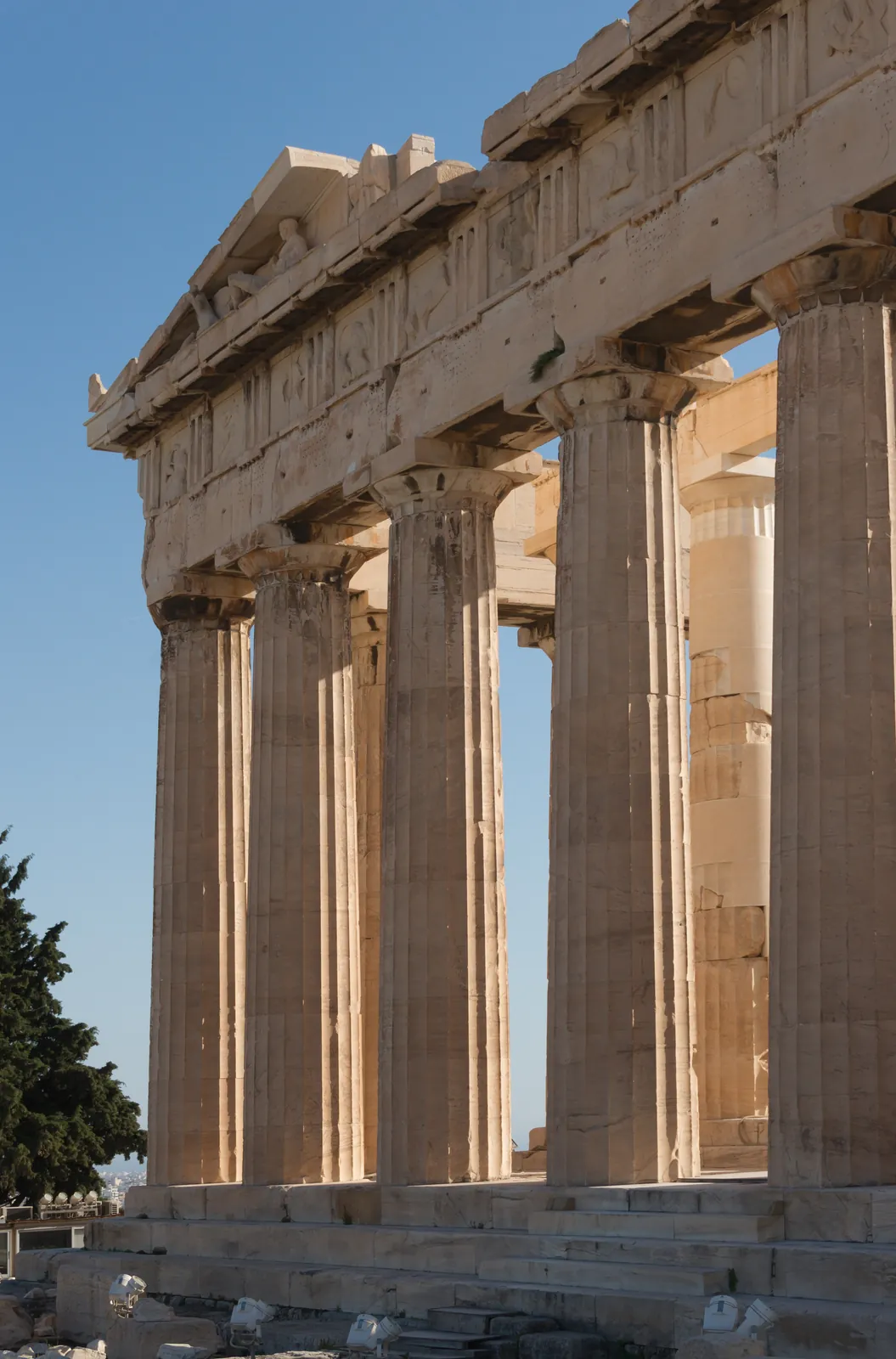
c. 800 BCE – c. 30 BCE (Archaic, Classical and Hellenistic)
The civilization that invented political argument as a public practice — and whose city-states gave the European tradition its founding vocabulary.
The civilization that invented political argument as a public practice — and whose city-states, sanctuaries and texts gave the European tradition its founding vocabulary for thinking about constitution, virtue, justice, war and the well-ordered life.
Enter Greece→
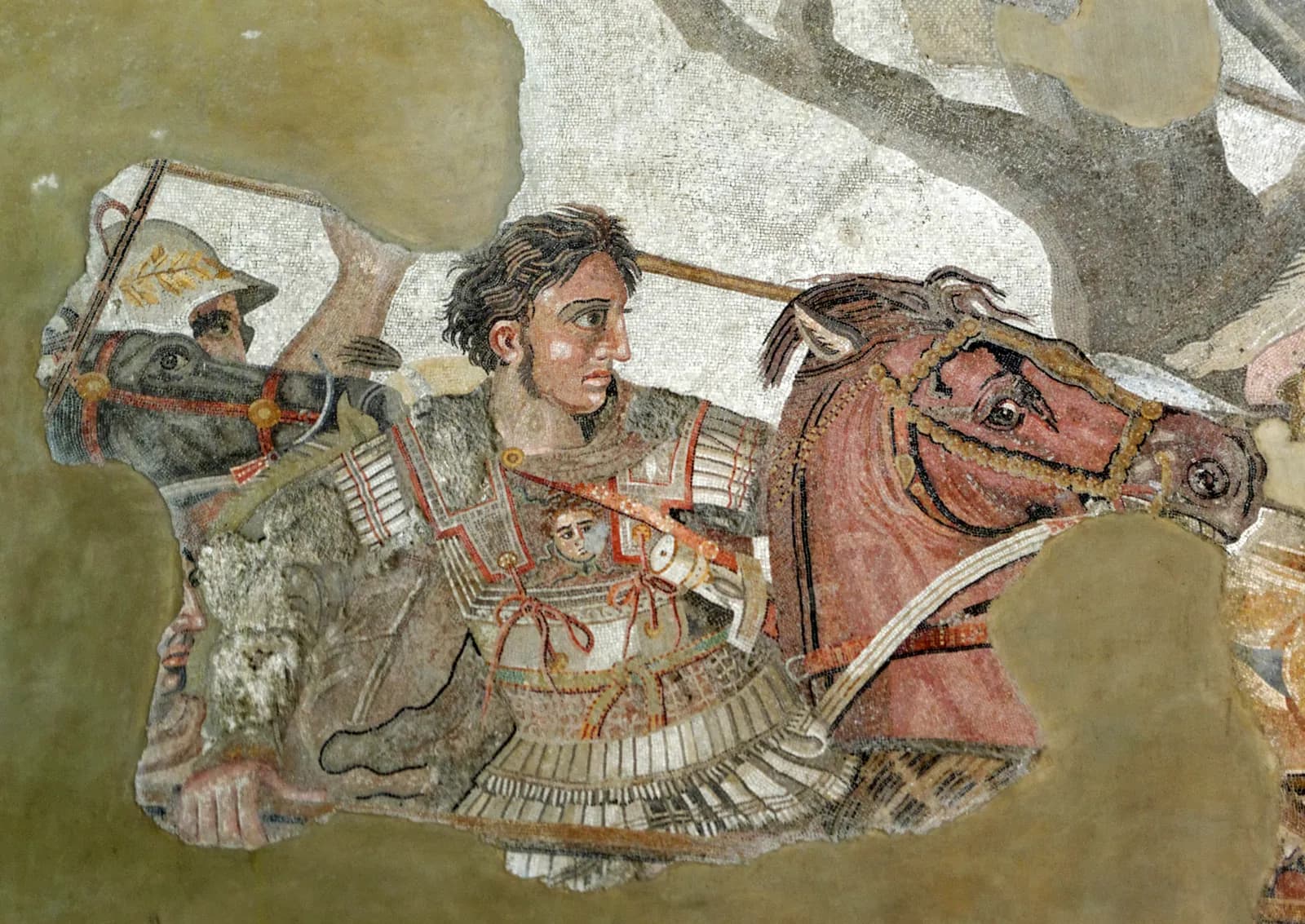
323 – 30 BCE (from the death of Alexander to the Roman annexation of Ptolemaic Egypt)
Three centuries of Greek-speaking imperial monarchies from Macedon to the Hindu Kush — the *koine* world out of which the Roman East would emerge.
Three centuries of Greek-speaking imperial monarchies that followed Alexander's conquest of the Achaemenid Persian world — the political and cultural substrate the Roman world would inherit and the Christian east would eventually grow out of.
Enter Hellenistic World→
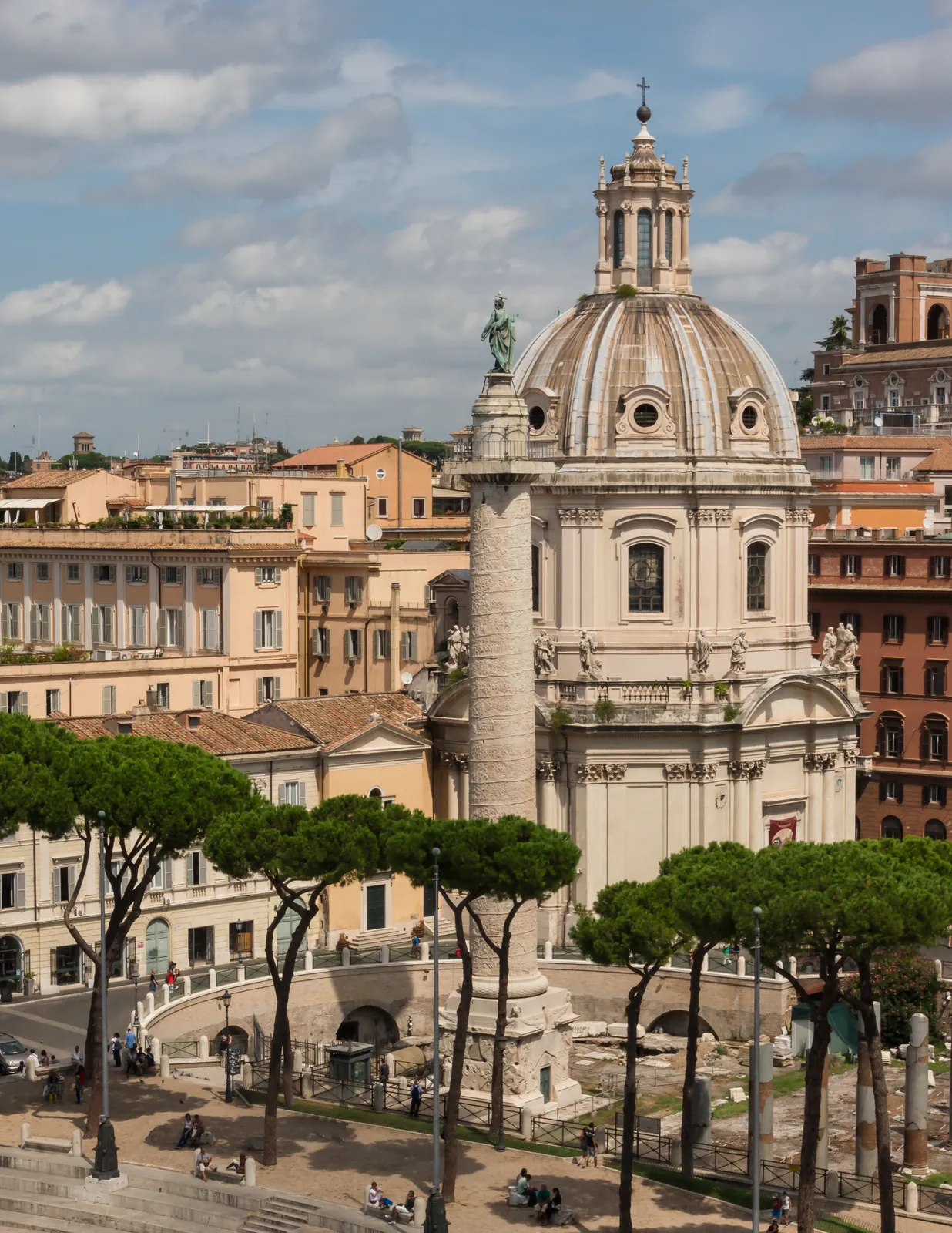
96 – 192 CE (Nerva to Commodus — the age of the "Five Good Emperors")
The age of the adoptive emperors — the empire at its widest extent and its most capable government, and the standing test of what an imperial order under disciplined rule could be.
The second-century apogee of Roman power — the age of Trajan, Hadrian, Antoninus Pius and Marcus Aurelius, when the empire reached its greatest extent and its most competent government, and the question became not how to win power but how to administer it well.
Enter High Empire→
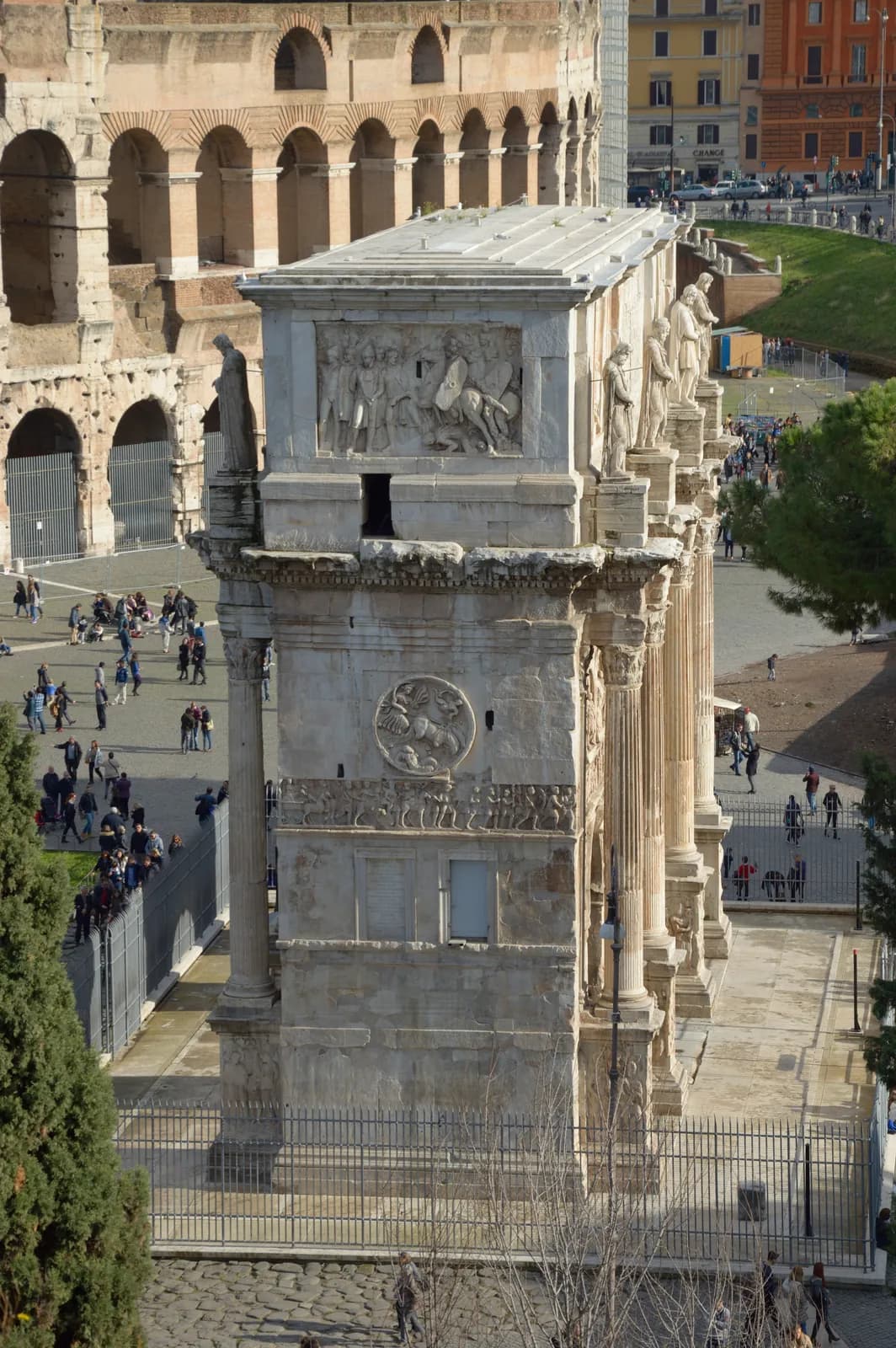
284 – 476 CE in the west (continuing in the east); from Diocletian to the end of the western line
The Dominate — autocracy without apology, a bureaucratic and militarised state, the turn to Christianity and the east, and the empire that outlived Rome itself.
The Roman state remade to survive — open autocracy in place of the Principate's fiction, a doubled army and bureaucracy, a new eastern capital and a Christian church bound to the throne. The empire that the third-century crisis destroyed and Diocletian and Constantine rebuilt.
Enter Late Empire→
c. 359 – 168 BCE (rise under Philip II to the Roman conquest at Pydna)
The kingdom that conquered the Greek world and then the Persian one — Philip's military revolution, Alexander's empire, and the dynasty that ruled until Rome.
The territorial kingdom on the northern edge of the Greek world that Philip II forged into the dominant military power of its age and Alexander used to conquer the Persian Empire — the state that ended the era of the free city and opened the Hellenistic age.
Enter Macedon→
c. 550 BCE – 330 BCE (Achaemenid, with longer Iranian continuity)
The first ancient world-empire to administer a Mediterranean-to-Indus expanse for two centuries — and the civilizational order against which Greek political life defined itself.
The first ancient world-empire to administer a Mediterranean-to-Indus expanse on principles that endured for two hundred years — and the civilization the Greek tradition kept reading because it was the durable imperial order against which Greek political life defined itself.
Enter Persia→
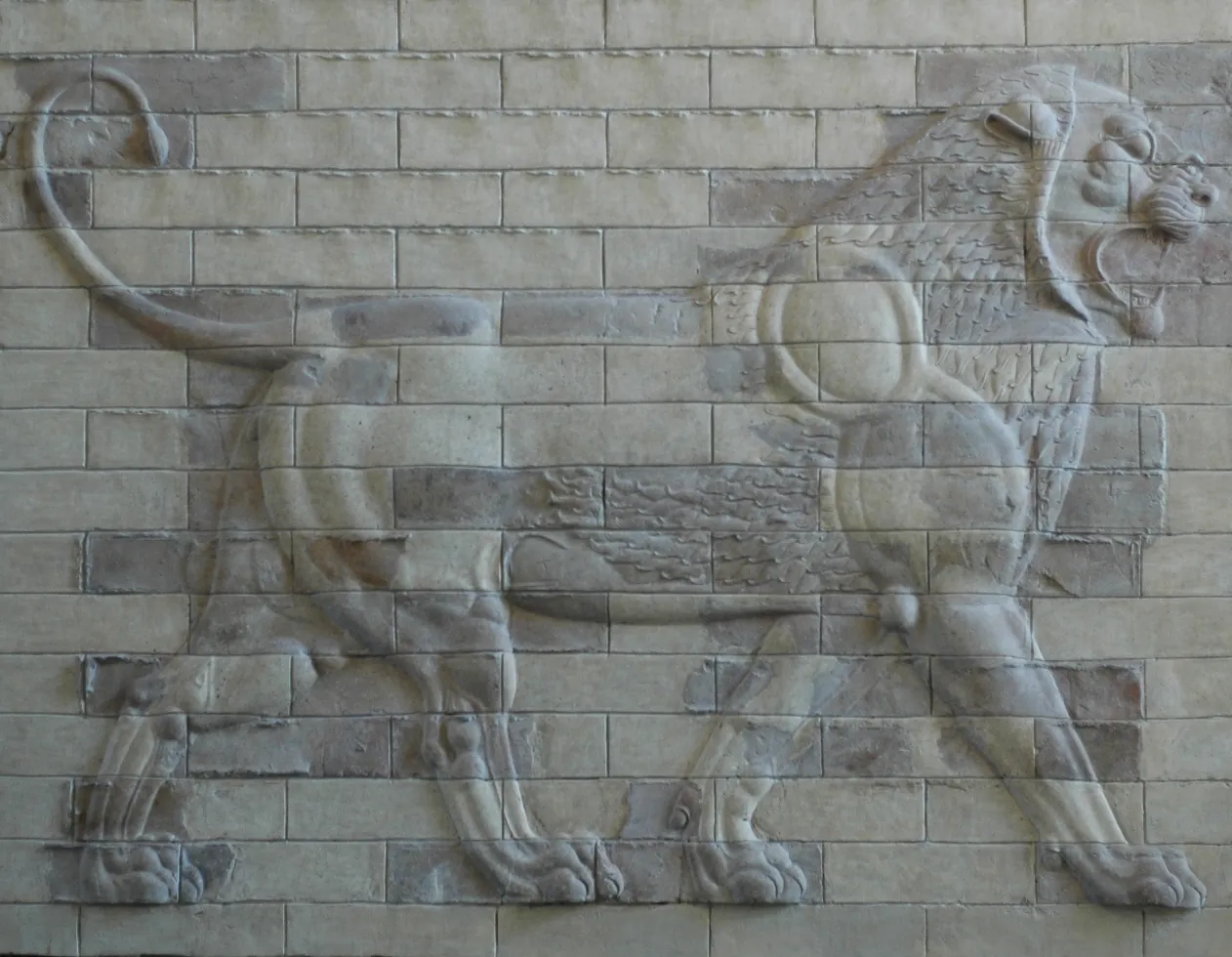
c. 546 BCE (conquest of Ionia) – 330 BCE (Alexander's conquest)
The empire's western edge and its long entanglement with the Greek world — conquest, invasion, diplomacy, and the Greek sources that both preserve and distort Persia.
The western frontier of the Achaemenid empire and its long entanglement with the Greek world — the Ionian cities, the great invasions, the diplomacy of the fourth century, and Alexander's conquest. Where Persia meets the Greek sources that both preserve and distort it.
Enter Persia and the Mediterranean→
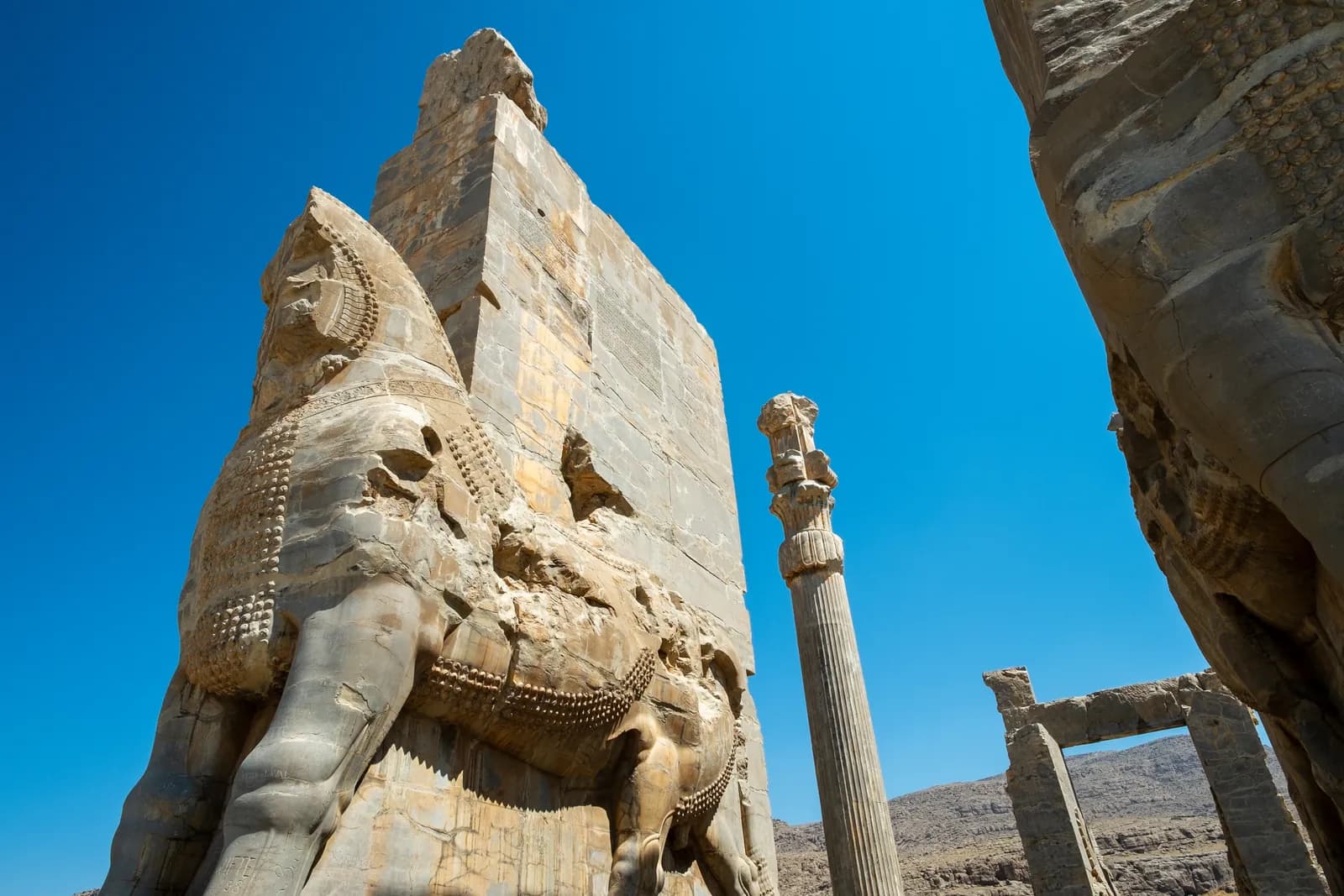
organised under Darius I (522–486 BCE) and run for two centuries
The machinery beneath the monarchy — satrapies, tribute, coinage, roads, posts and a multilingual chancery, the systems that made a continent governable.
How the Achaemenid empire actually worked — the satrapies, the tribute economy, the standardised coinage, the Royal Road and imperial post, the multilingual chancery. A study of the administrative machinery that turned conquest into a governable continental state.
Enter Persian Imperial System→
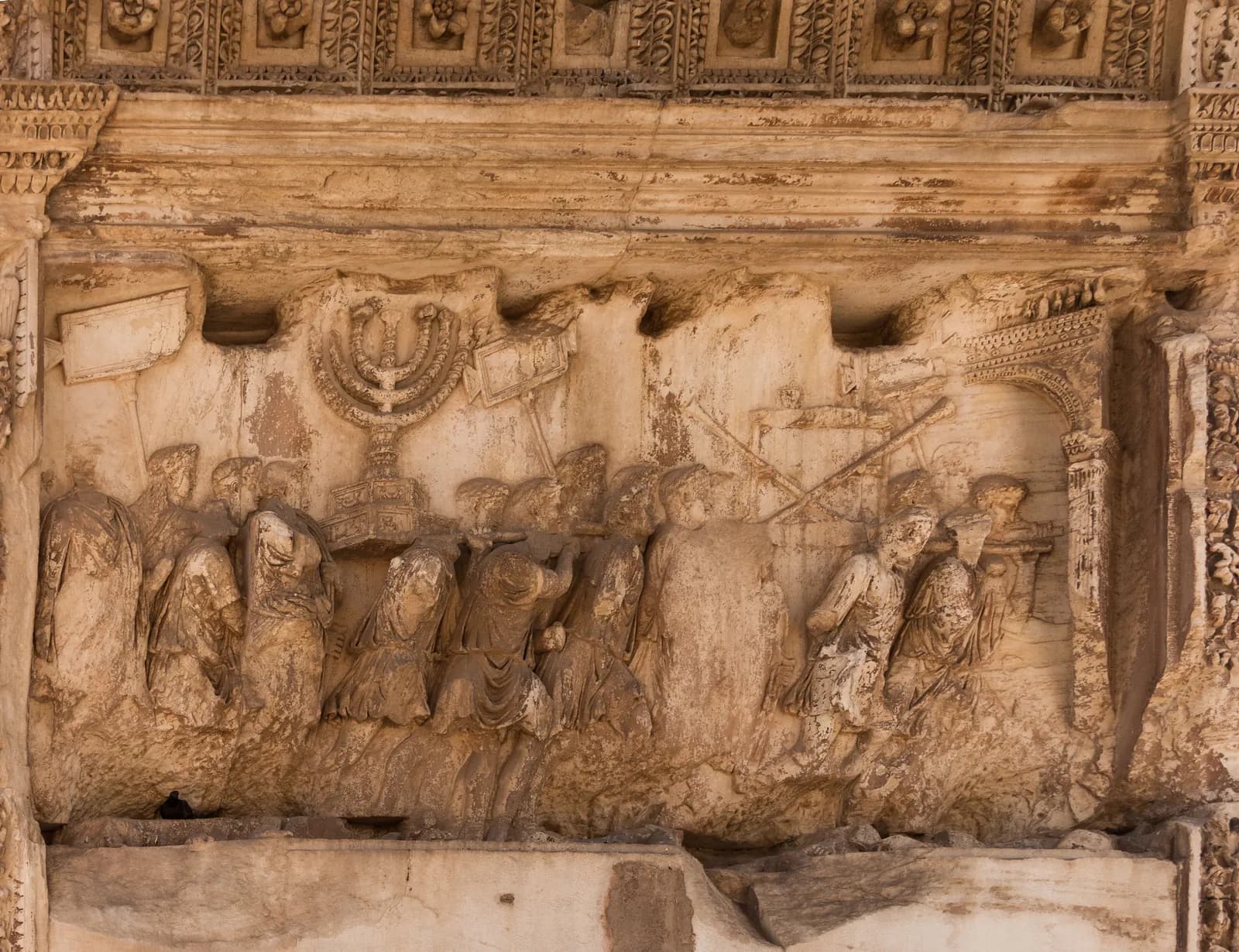
27 BCE – 284 CE (from the Augustan settlement to the accession of Diocletian)
The monarchy that dared not name itself — Republican forms preserved, their substance gathered into the *princeps*, and the unsolved problem of the succession at its heart.
The political order Augustus built on the ruins of the Republic — a monarchy that kept every Republican form intact while concentrating their substance in one man. The system that gave Rome two centuries of peace and never solved the problem of how to transfer the power at its center.
Enter Principate→
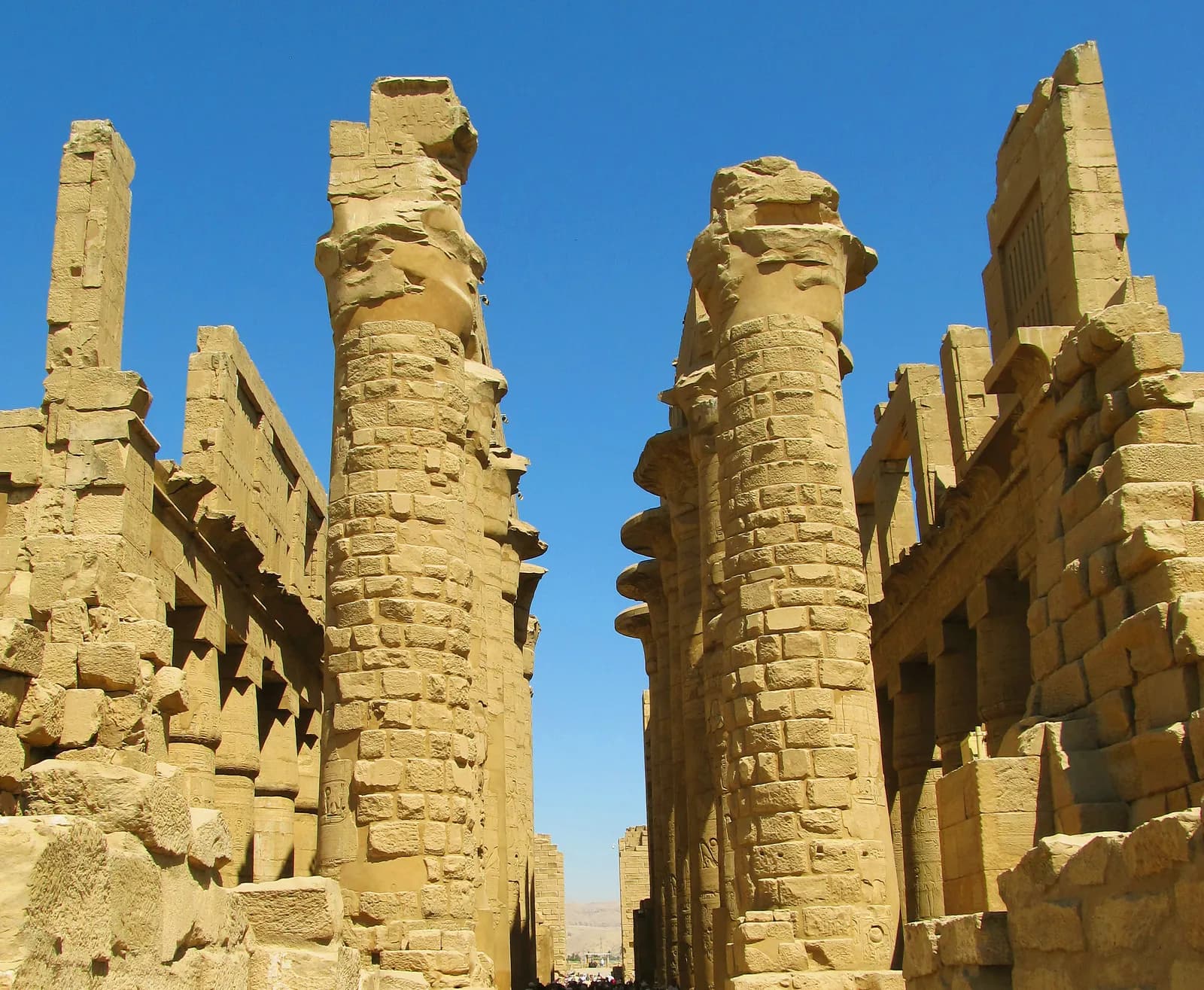
305 – 30 BCE (Ptolemy I to the death of Cleopatra VII)
A Greek dynasty ruling as pharaohs — the longest-lived Successor kingdom, the Library of Alexandria, and the dual legitimacy that held Egypt for three centuries until Cleopatra and Rome.
The Greek dynasty that ruled Egypt for three centuries after Alexander — a Greco-Macedonian elite governing the Nile valley as both Hellenistic kings and Egyptian pharaohs, with Alexandria as the intellectual capital of the ancient world, ending with Cleopatra and Rome.
Enter Ptolemaic Egypt→
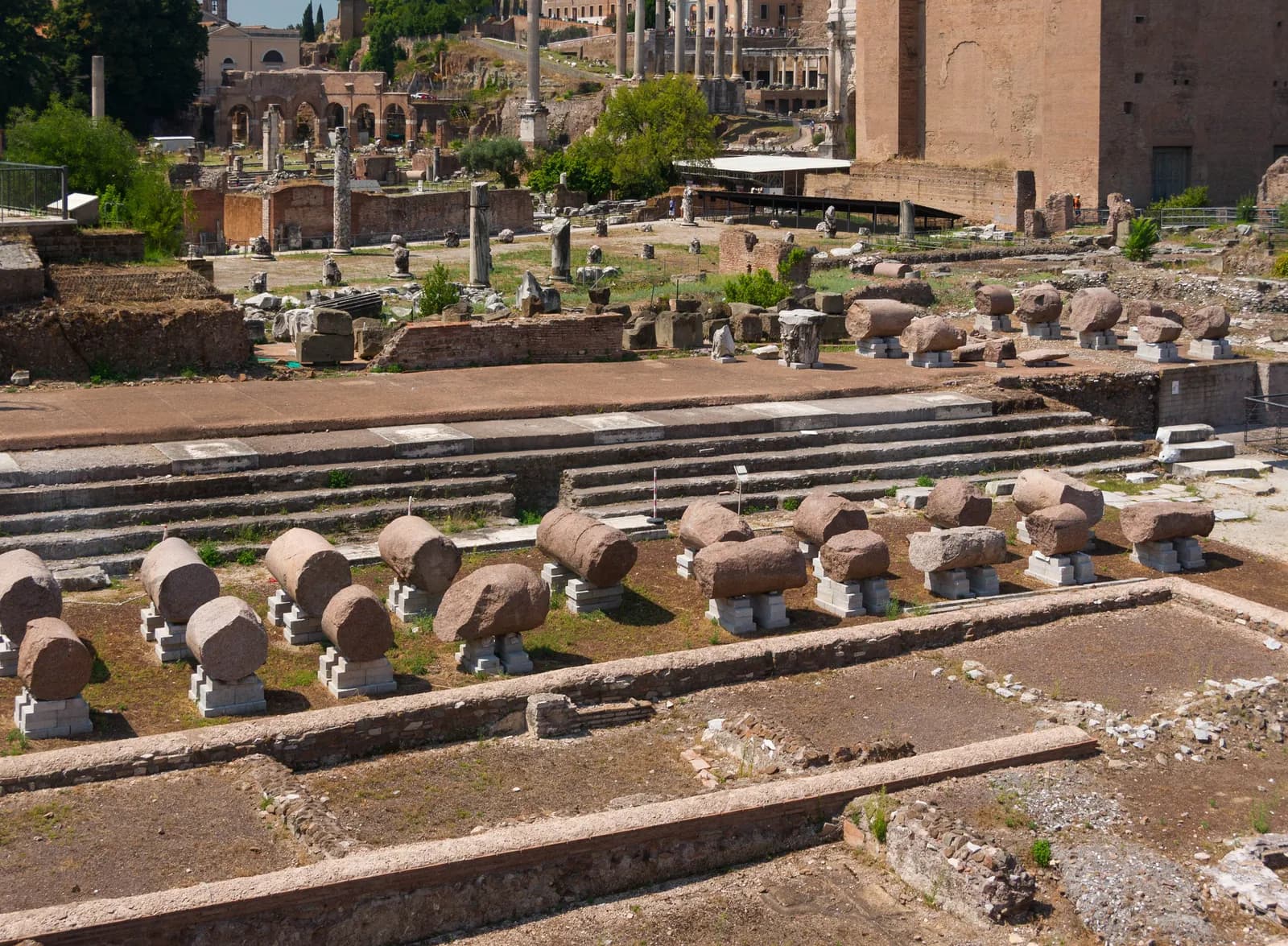
c. 509 – 27 BCE (from the expulsion of the kings to the Augustan settlement)
The constitution of no single author — magistracy, senate and assembly in balance — and the long internal crisis that destroyed it from within.
The five centuries in which Rome governed itself through a constitution of no single author — magistracies, senate and assemblies in tension — and built the institutional vocabulary of self-government that Europe would read long after the Republic that produced it was gone.
Enter Roman Republic→
c. 509 BCE – c. 235 CE (Republic and Principate)
From the early Republic to the high empire — the civilization whose institutional vocabulary the European tradition kept reading long after the polity it described was gone.
The civilization whose republic and empire together constitute the longest sustained ancient case study of constitutional life, military command, and the loss of self-government — and whose institutional vocabulary the European tradition kept reading long after the polity was gone.
Enter Rome→
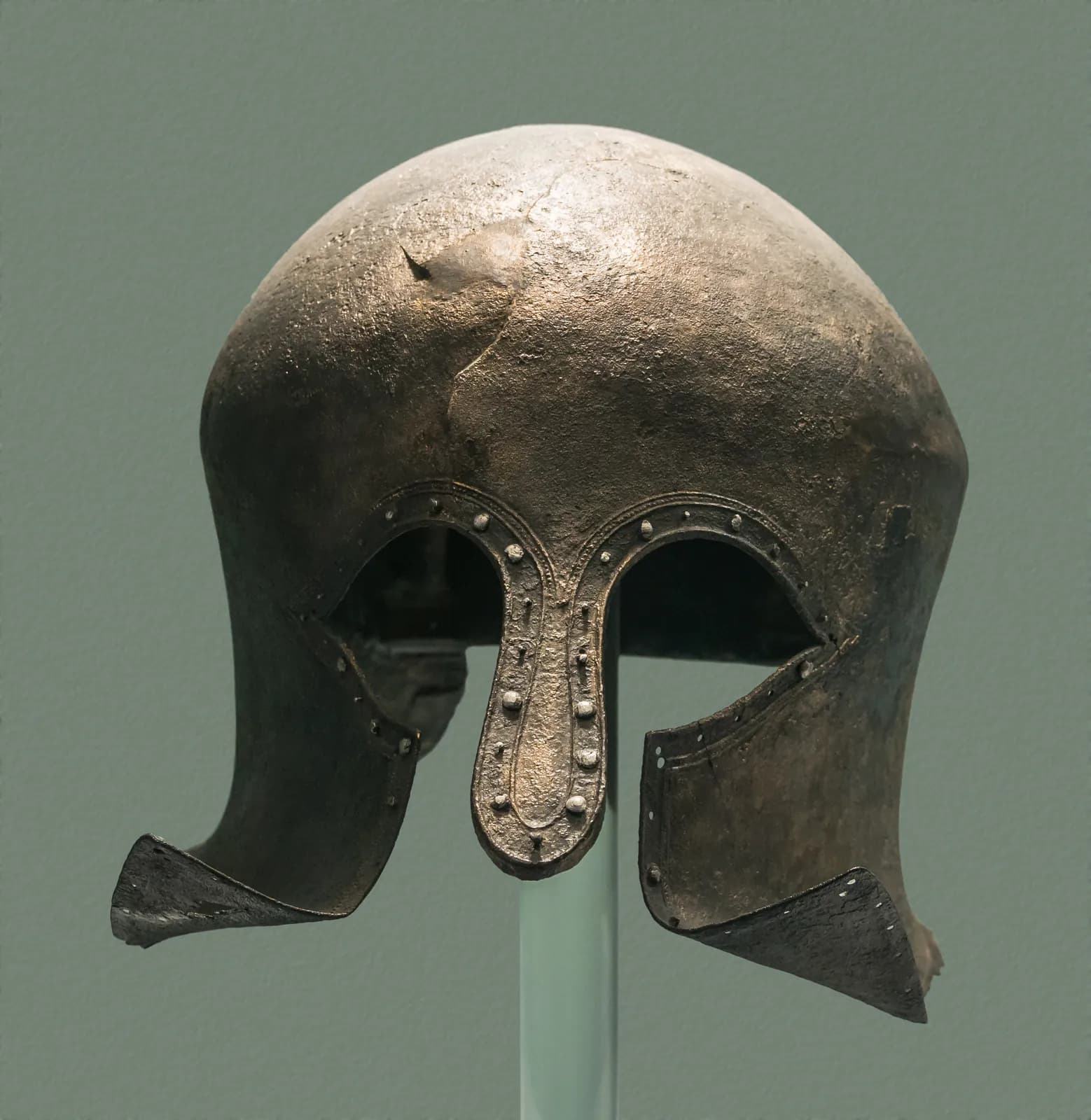
c. 800 BCE – 195 BCE (Lacedaemonian polity, with Lycurgan reforms traditionally dated 9th–7th centuries BCE)
The most fully integrated military-civic discipline of the ancient Mediterranean — and a polity whose working stability was inseparable from structural subjection.
The Greek polity whose constitutional order was the most fully integrated military-civic discipline of the ancient Mediterranean — and whose working stability was inseparable from a structural subjection of the helot population that the platform reads without flinching.
Enter Sparta→
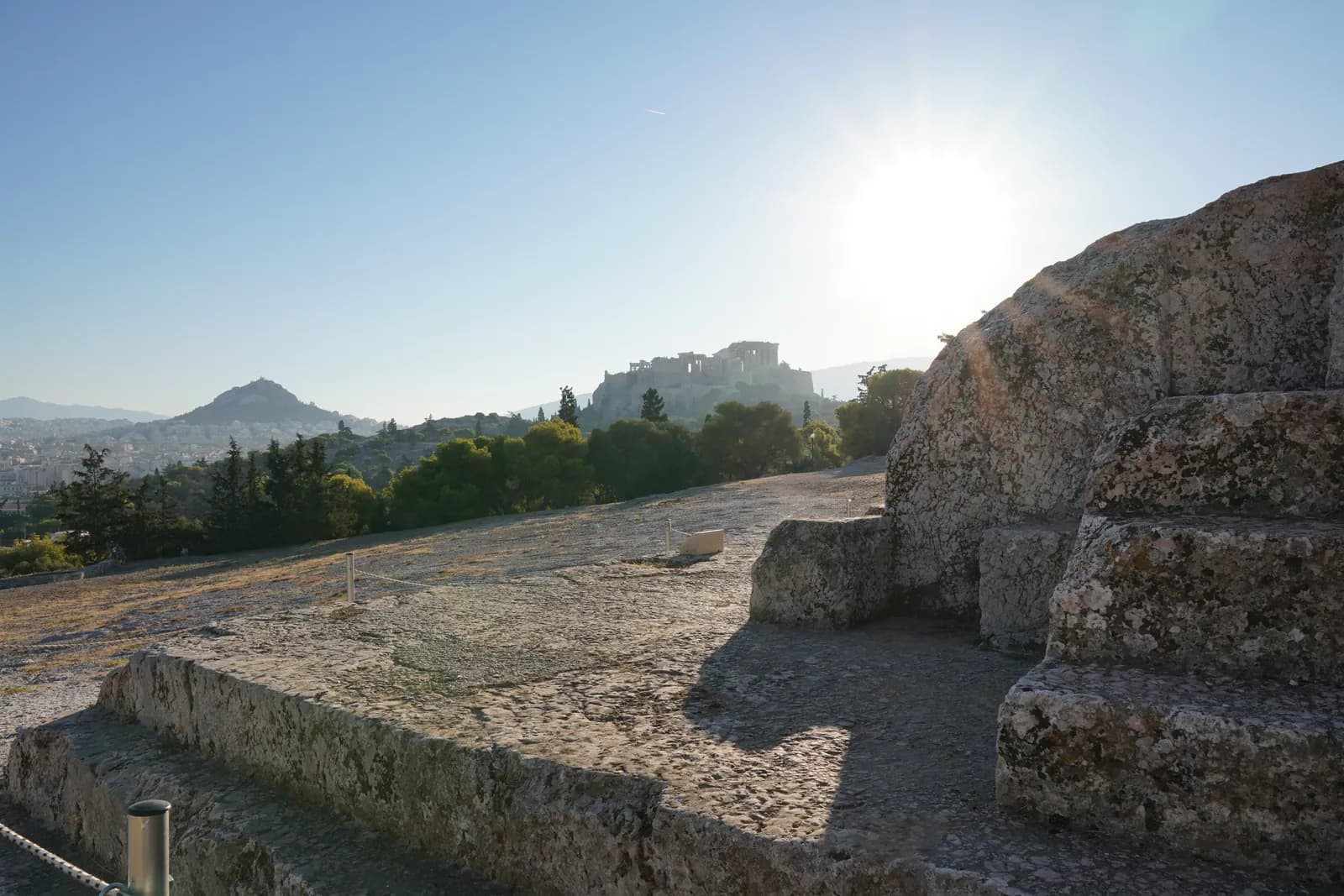
the reform century, c. 594 – 322 BCE (Solon to the end of the classical democracy)
How a sequence of lawgivers and reformers built, piece by institutional piece, the first durable democracy — and why the platform reads it as law and citizenship before, and beneath, the franchise.
The century of constitutional reform — Solon, Cleisthenes and their successors — that turned Athens from an aristocratic polis into the ancient world's most fully realised experiment in citizen self-government and the institutional invention of democracy.
Enter The Athenian Reforms→
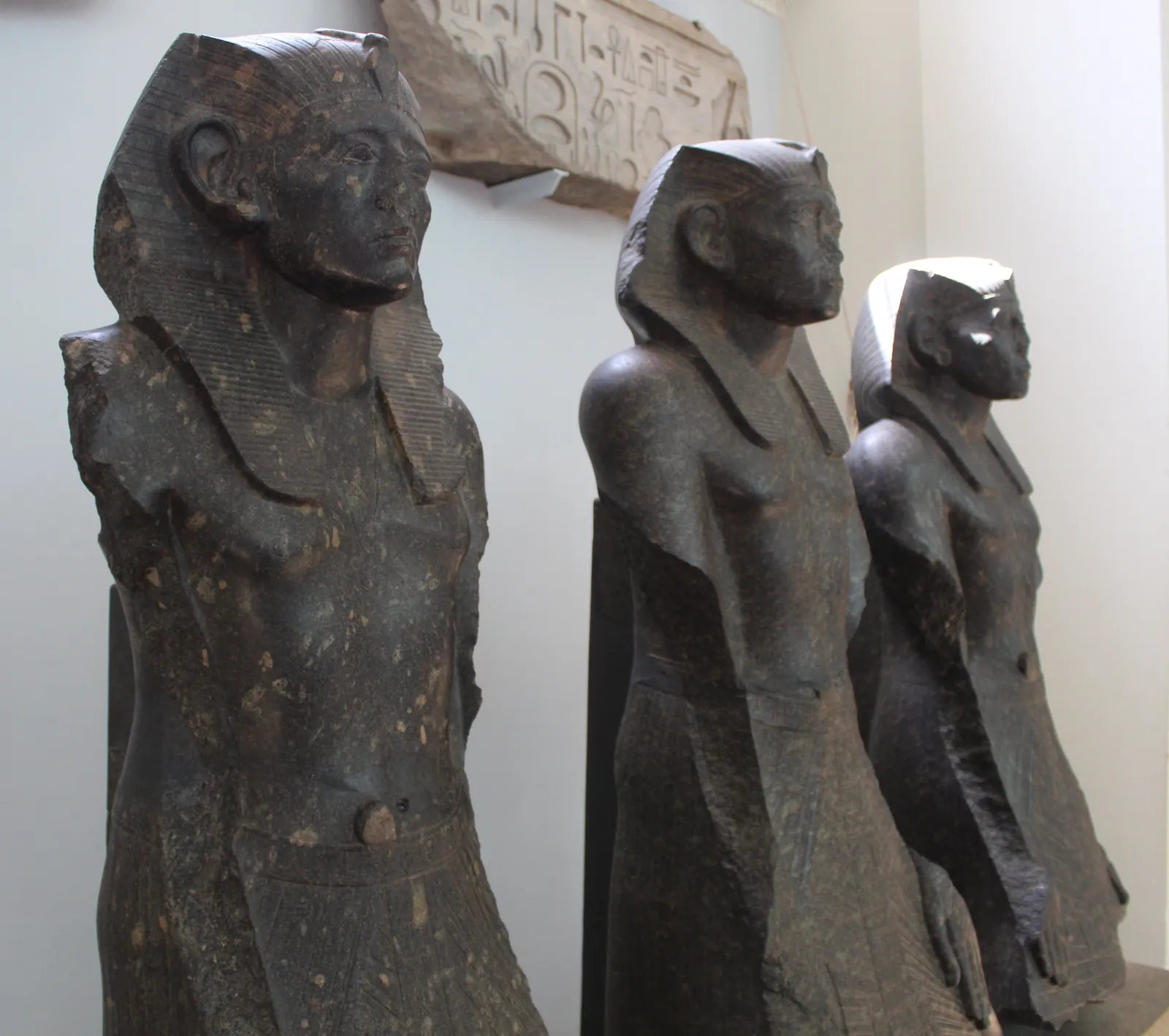
c. 2055 – 1650 BCE (Eleventh to Thirteenth Dynasties)
The age of reunification and classical literature — Egypt restored after collapse, the proof that the pharaonic order could die and be reborn, and the model of the king as shepherd of his people.
The age of reunification and classical achievement — when Egypt recovered from collapse, restored the centralized state on a firmer footing, and produced the language and literature that later Egyptians revered as their classical age. The proof that Egyptian order could be reborn.
Enter The Middle Kingdom→
c. 1550 – 1069 BCE (Eighteenth to Twentieth Dynasties)
Egypt at its imperial zenith — the age of warrior-pharaohs and colossal temples, of Hatshepsut, Thutmose III, Akhenaten and Ramesses the Great.
Egypt at the height of its power and wealth — the age of empire, when warrior-pharaohs ruled from the Euphrates to Nubia, the temples of Karnak and Luxor rose to colossal scale, and the great names of Egyptian history reigned, from Hatshepsut and Thutmose III to Akhenaten and Ramesses the Great.
Enter The New Kingdom→
c. 2686 – 2181 BCE (Third to Sixth Dynasties)
The Age of the Pyramids — the first flowering of the centralized pharaonic state, when Egypt fixed the forms of sacred kingship and monumental building that would endure for millennia.
The first great age of the Egyptian state — the Age of the Pyramids — when a newly unified, centralized monarchy mobilized the resources of the Nile valley to build the largest stone monuments ever raised and fixed the forms of pharaonic civilization for three thousand years.
Enter The Old Kingdom→
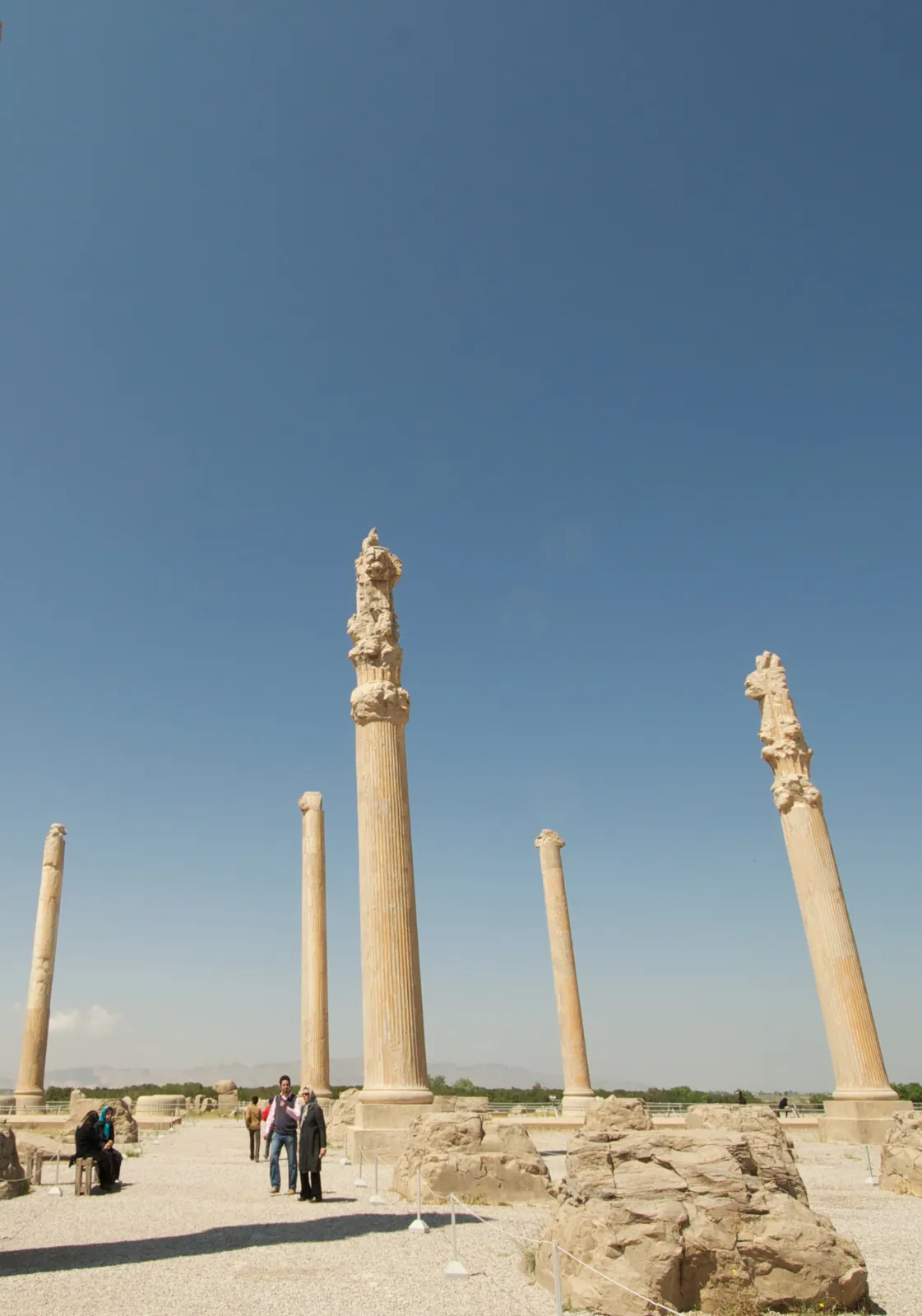
312 – 63 BCE (Seleucus I to the Roman annexation of Syria)
The largest Successor kingdom and the hardest to hold — a network of Greek cities ruling the old Persian world, and the long study in why a vast multi-ethnic realm fragments.
The largest of the Successor kingdoms — Seleucus I's realm stretching from Anatolia across the old Persian heartland toward India — and the great case study in the limits of integration, a Greco-Macedonian dynasty governing a vast and various empire that steadily came apart.
Enter The Seleucid Empire→