The monarchy that would not be named
The Principate is the order Augustus constructed after Actium to solve a problem the Republic had failed to solve: how to govern a Mediterranean empire without the civil wars that the competition of the late-Republican dynasts had produced. His solution was a monarchy that never admitted it was one. The title he took — princeps, first citizen — was deliberately Republican; the powers he gathered were monarchic; and the genius of the arrangement was that it let everyone involved continue to speak as though the Republic still functioned. The platform reads the Principate as the classic case of a political form preserved while its substance is hollowed out, and as the system whose two-century success could never quite outrun the flaw built into its foundation.
Constitutional structure
The Augustan settlement was a construction conducted over decades, not a single act. By the settlements of 27 and 23 BCE, Augustus held — in his own person and for life — a proconsular imperium over the provinces where the armies were, the tribunician power that protected him and let him legislate, and an oversight of the senate that made him the political center. He held these as bundles of Republican offices and powers, each individually familiar, combined in a way no Republican had combined them. The senate still met, the consuls still served annual terms, the courts still functioned, the assemblies still formally legislated. In his own Res Gestae he claimed to have excelled all others in auctoritas — moral standing — while holding no more potestas, formal power, than his colleagues. That sentence is the constitutional fiction of the Principate in miniature: rule by authority, with the offices of the Republic intact.
Political structure and the succession problem
The deepest structural fact about the Principate is what it lacked: a rule for transferring power. Because the system could not admit it was a monarchy, it could not legislate a succession — and so the single most important political act in the state, the passing of supreme power, had no agreed procedure. The platform reads this under imperial succession: the Romans improvised dynasty (the Julio-Claudians), adoption (the high empire), and acclamation by the army, and each model failed in its own way. The accession of Tiberius — Tacitus's central study — proved the system could survive its founder; it also revealed the strain the unsolved succession placed on every reign.
Military and administrative structure
Augustus inherited the professionalised legions that had destroyed the Republic and made them the permanent instrument of the imperial state — but he insulated them from the city: paid from a dedicated military treasury, settled on the frontiers, bound by an oath of loyalty to himself. Under the army-and-state theme this was the Principate's great containment of the force that had killed the Republic, and Tacitus's Histories records the moment in 69 CE when the containment failed and the legions discovered they could make an emperor. Administratively, the Principate professionalised provincial government for the first time — salaried imperial legates and procurators replacing the predatory Republican governorships — building the apparatus the platform reads under imperial administration.
Civic ideals and the imperial cult
The Principate kept the civic vocabulary of the Republic while transforming its content. Augustus presented his settlement as a restoration of pietas, ancestral religion and public order after the impiety of the civil wars; he rebuilt the temples, revived the priesthoods, and in 12 BCE made himself pontifex maximus, fusing supreme religious and political authority. The imperial cult — the worship of the emperor as a focus of loyalty across a multi-ethnic empire — gave the new order a religious center, and is read here under state and religion.
The great tension
The Principate's permanent tension was between its form and its substance — between the Republic it claimed to be and the monarchy it was. The two readings of that tension have run in parallel for two thousand years. Augustus's own account presents the settlement as the salvation of a broken state; Tacitus's Annals reads it as the quiet death of political freedom, accepted because the generation that might have resisted was dead in the wars or too young to remember. Suetonius's Twelve Caesars supplies the third register — the personalisation of power, the empire refracted through the private character of the man who held it. The platform holds all three together.
Relationship to the earlier and later phases
The Principate is unintelligible without the Republic it imitated — every form it preserved was a Republican form, and the whole point was the continuity of appearance. It passes, in turn, into the High Empire, where the system worked at its best under the adoptive emperors, and ultimately gives way to the open autocracy of the late empire after the third-century crisis broke the Augustan compromise for good.
Visual archive
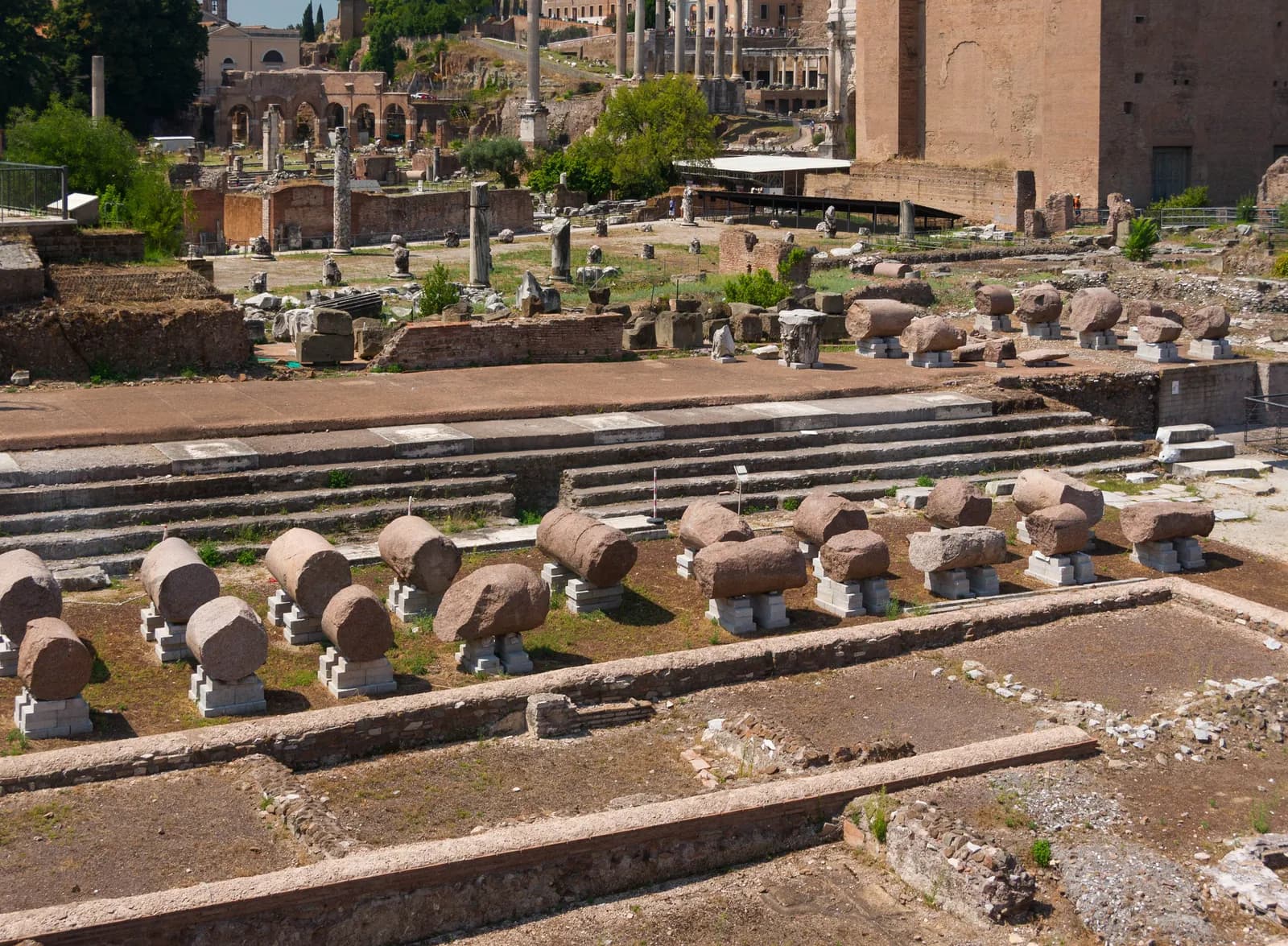
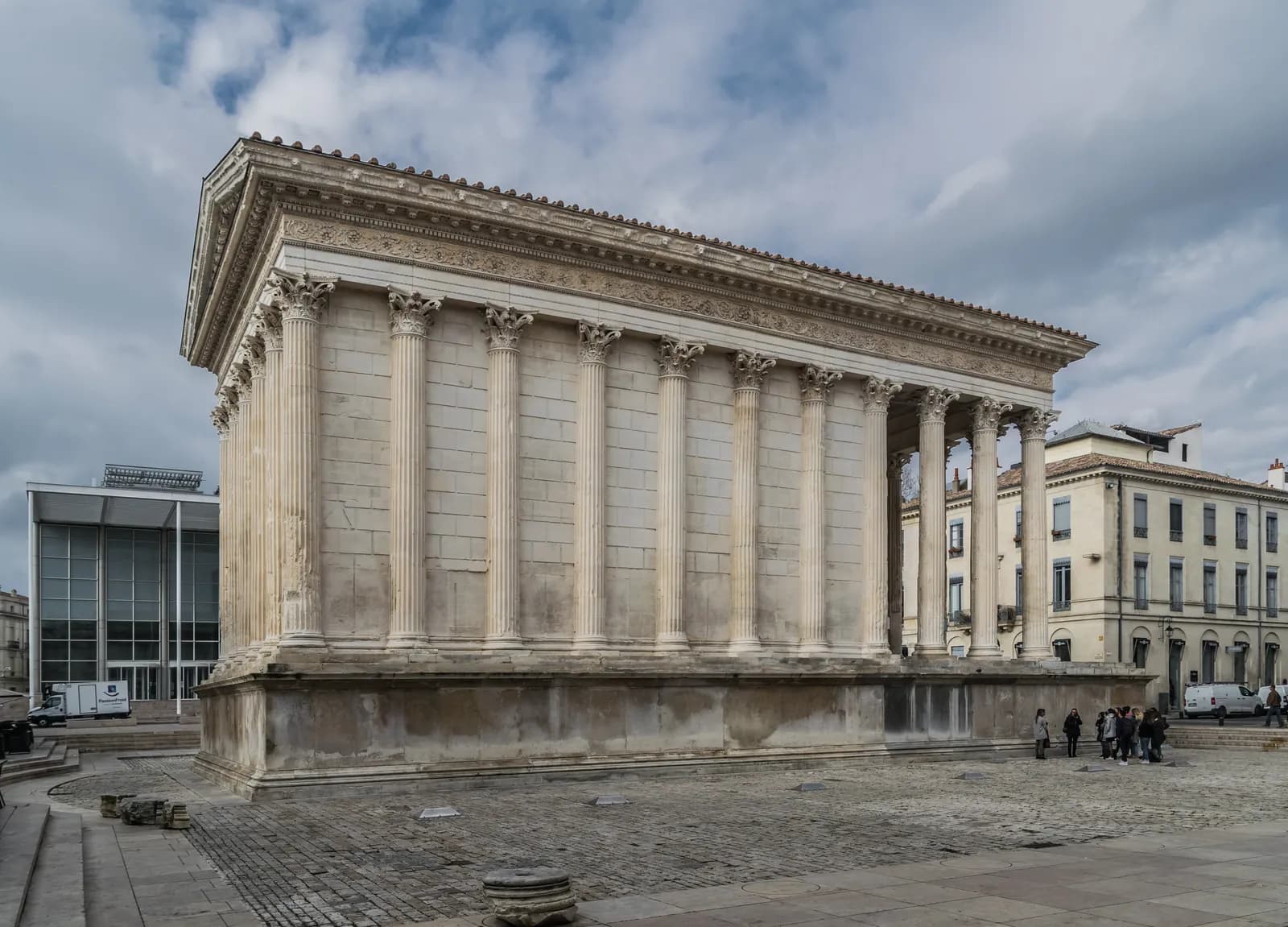
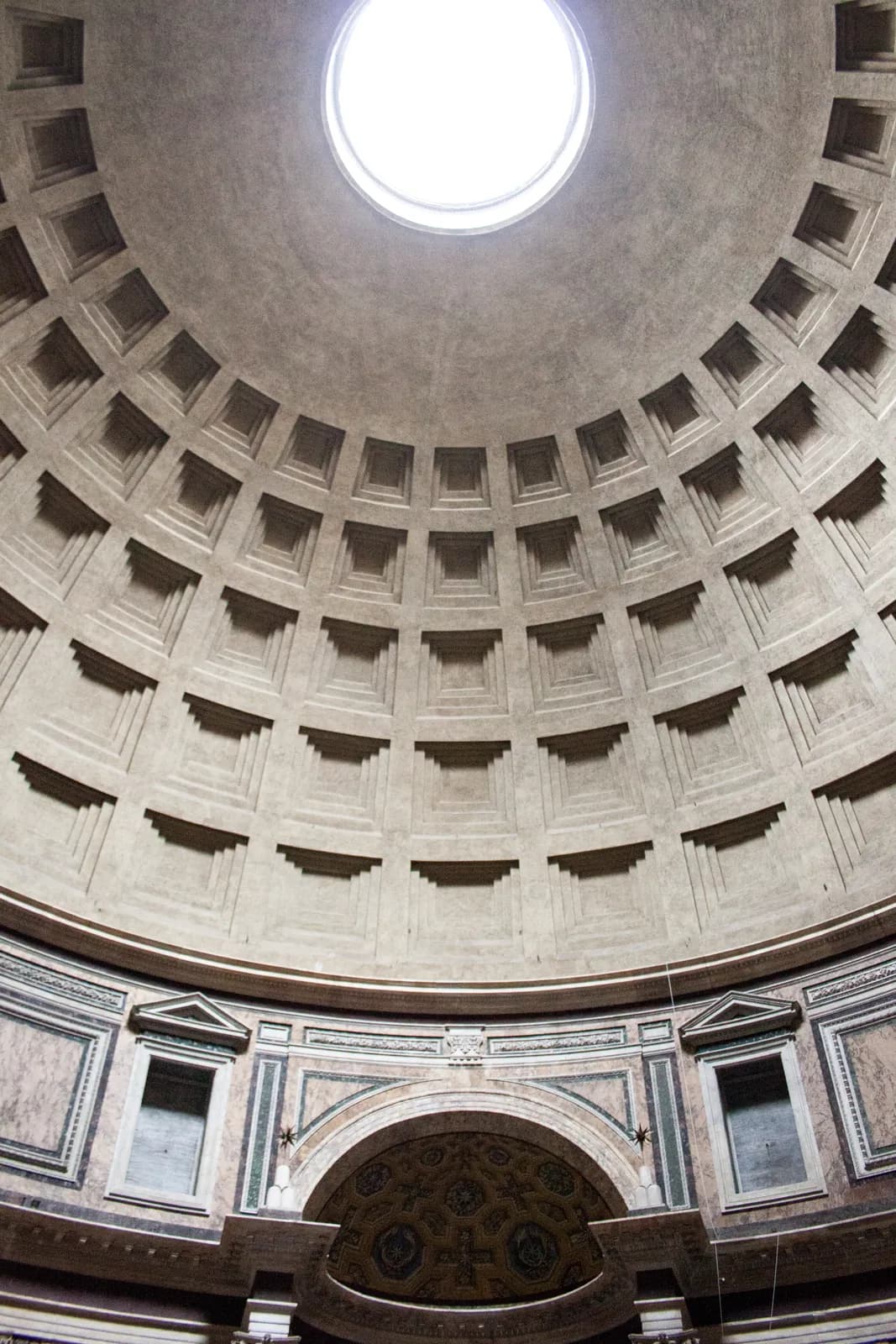
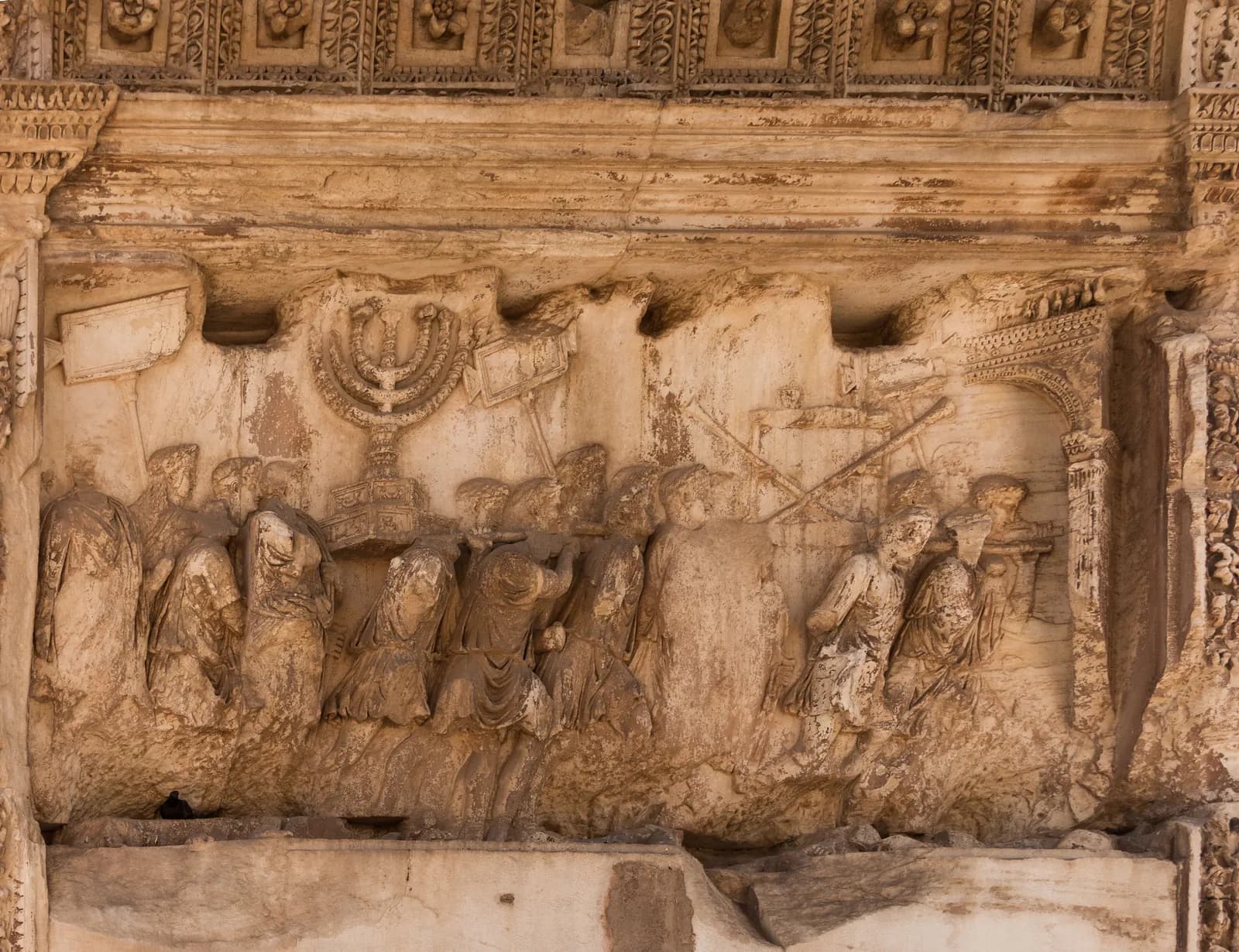
The Principate monumentalised Rome as an imperial center: the Forum of Augustus, the Ara Pacis, the Mausoleum, and — under the Flavians — the Arch of Titus and the Colosseum, with the Pantheon's later rebuilding standing as the surviving record of imperial concrete engineering. The Arch of Titus relief and the Forum anchor the visual archive of the Principate across the figure and essay pages grouped here.
Why the platform reads the Principate
The platform reads the Principate because it is the most studied case in history of how a free constitution becomes an autocracy without anyone admitting it has happened — the forms kept, the elections held, the speeches made, while the substance migrates to one man. Tacitus made it the permanent warning of the republican tradition, and the American founders read him as such. The question the Principate presses — can a polity keep the forms of self-government while losing the substance, and what does it cost? — is the question the platform reads the whole Roman imperial layer to answer.