Authority hub
Xenophon
Xenophon of Athens — soldier, general, student of Socrates, historian and the first sustained theorist of leadership. The bridge between Greece, Persia and Sparta, and one of the central intellectual pillars of Virtue & Power.
Xenophon of Athens (c. 430 – c. 354 BCE) is one of the few thinkers in the corpus who lived almost everything he wrote about. He knew Socrates personally and wrote him down; he served as a soldier and was elected to lead an army out of disaster; he wrote history, political theory, biography, and the first sustained ancient treatment of leadership. The platform reads him as a central bridging figure — between Greece and Persia, between Socrates and the practical life, between character and command — and places him in the first rank of its authors beside Plato, Aristotle, Plutarch, Polybius and Cicero.
Xenophon as soldier
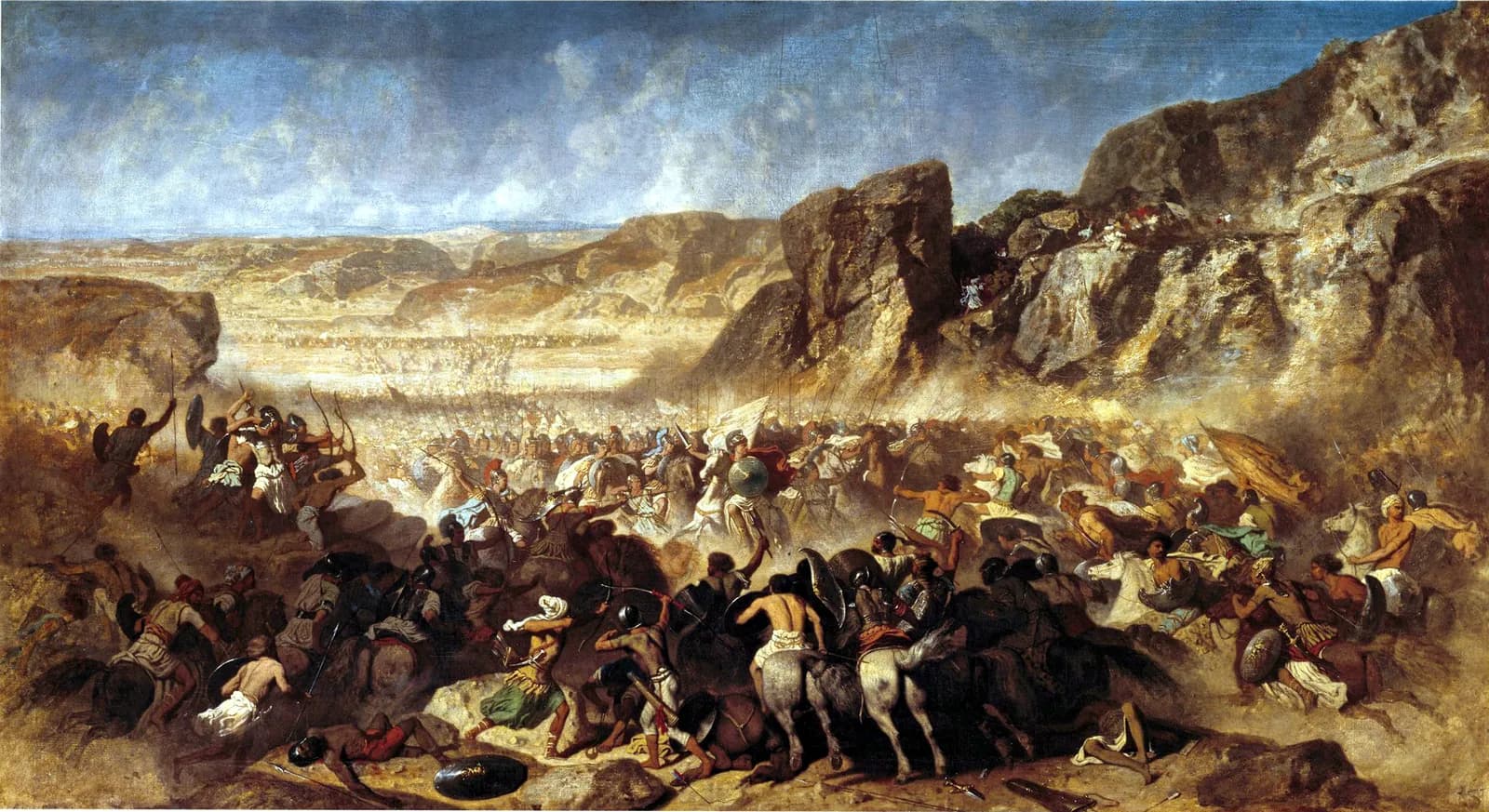
As a young man Xenophon joined the expedition of the Persian prince Cyrus the Younger against his brother, the Great King Artaxerxes II, in 401 BCE. When Cyrus was killed at Cunaxa and the Greek commanders were treacherously murdered, the stranded mercenary army — the Ten Thousand — elected new leaders, and Xenophon was among them. He helped lead the long fighting retreat north through hostile country to the Black Sea, and told the story himself in the Anabasis. The platform reads this as decisive for everything else: Xenophon is the rare theorist of command who had actually exercised it, in the worst conditions, with everyone's life at stake.
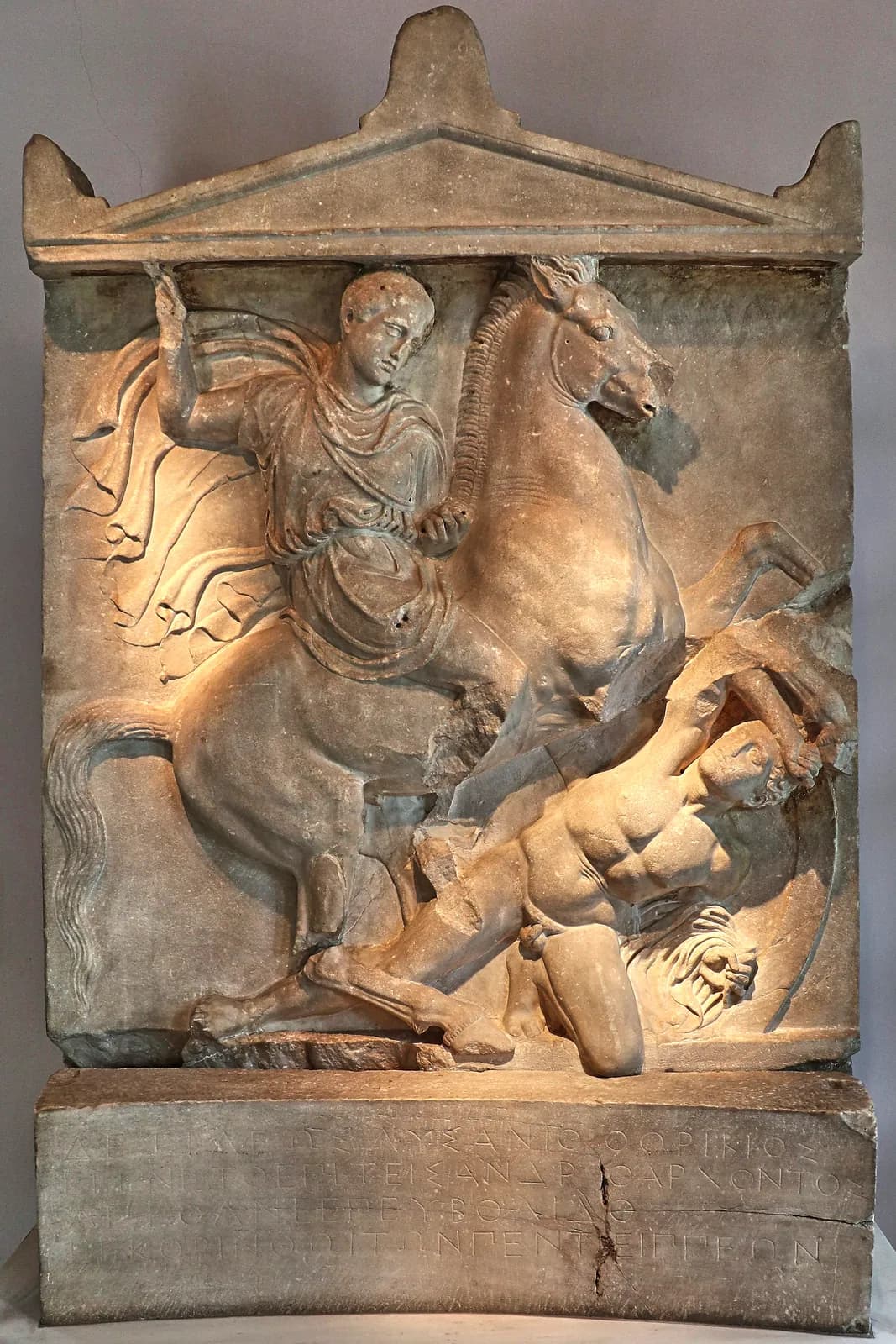
The grave stele of Dexileos, an Athenian cavalryman of Xenophon's own generation and class.
Xenophon as student of Socrates
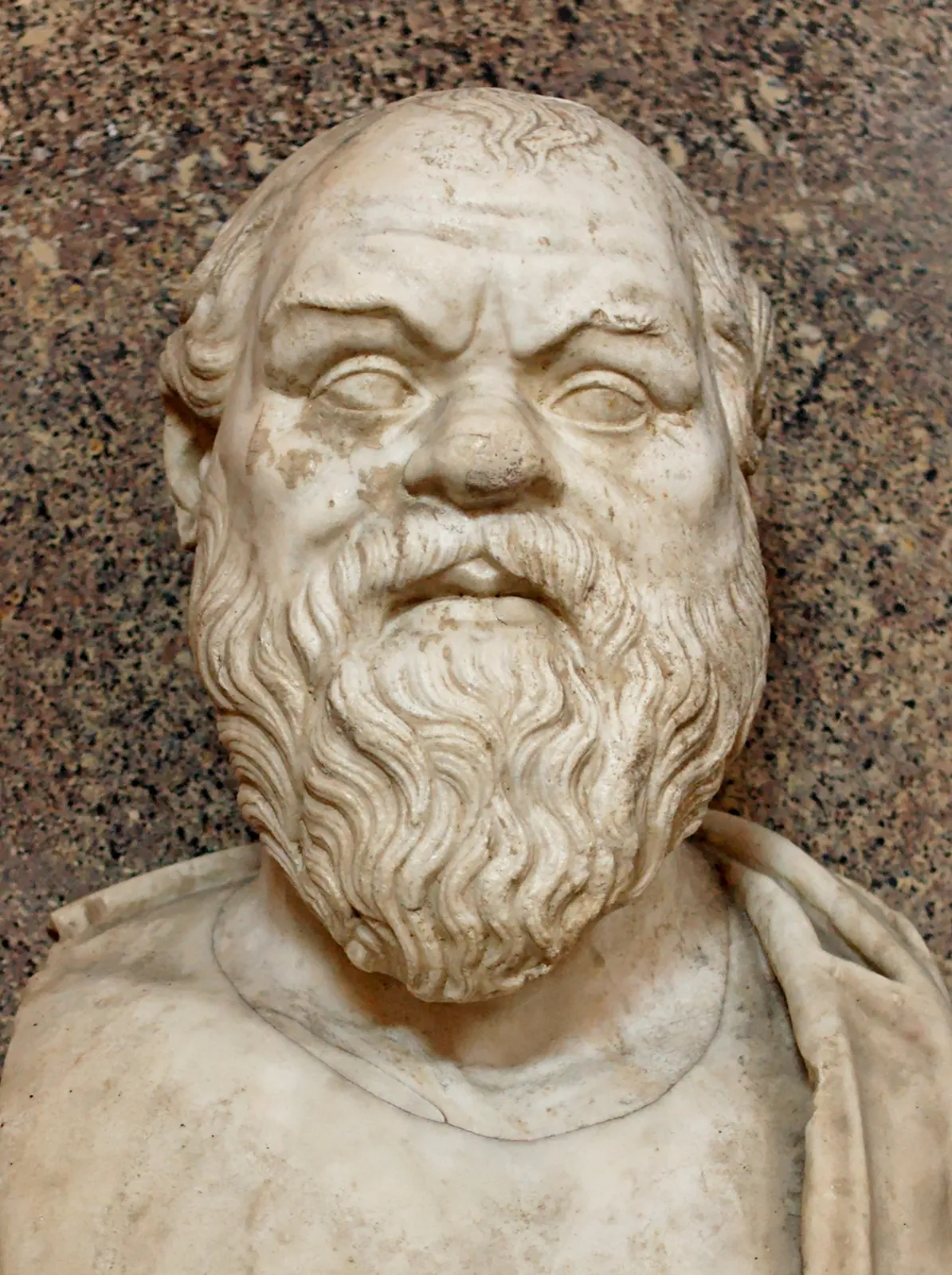
Xenophon was, with Plato, one of the two companions of Socrates whose writings survive — and our two main witnesses to the historical figure. His Socratic works, above all the Memorabilia, give us a Socrates strikingly different from Plato's: less the metaphysician pursuing the Forms, more the practical counsellor concerned with managing a household, choosing friends, governing the appetites and serving the city. The platform reads this under Socratic practical philosophy — a Socrates of conduct rather than of pure theory, whom the platform treats as a genuine witness, not a pale copy.
Xenophon as historian
Xenophon's Hellenica takes up the narrative of Greek affairs at the exact point where Thucydides breaks off in 411 BCE and carries it through the fall of Athens, the Spartan hegemony and its collapse at Leuctra. He wrote much of it as a contemporary and a participant, which gives the work the value and the limits of eyewitness history: vivid and first-hand where his sympathies were engaged, partial and thin where they were not. The platform reads him beside Thucydides as a different and instructive kind of historian — the engaged man of action rather than the detached analyst.
Xenophon as political thinker
Across his works Xenophon develops a coherent political vision that the platform reads under governance through character: the conviction that good order — in the household, the army or the empire — flows from the character of the person in charge. The Oeconomicus treats the management of an estate, the Cyropaedia the rule of an empire, and Xenophon insists they are one art at different scales. His is the Greek root of the idea, central to the whole platform, that private virtue and public office are continuous.
Xenophon as theorist of leadership
The platform reads Xenophon as antiquity's most practical theorist of leadership. His central claim is the distinction between compelled and willing obedience: the supreme achievement of the leader is to be obeyed gladly, and that obedience is won by example — the leader sharing the hardship, showing the courage, modelling the discipline he demands. The foundation of example is self-command, the link between his leadership thought and his Socratic ethics. The Cyropaedia is, on this reading, the first book to treat the education of rulers as a subject in its own right.
Xenophon and Persia
No Greek thinker engaged Persia more deeply. Xenophon marched into the Achaemenid interior and saw its roads, its provinces and its limits at first hand; and in the Cyropaedia he built an idealised portrait of Persian kingship, taking the empire of Cyrus the Great as the material for a study of the best king. The platform reads him as the central bridge between Persia and Greece — the soldier who knew the empire and the thinker who made its kingship a model for Greek political reflection.
Xenophon and Sparta
Xenophon admired Sparta as few Athenians of his standing did. He lived for years under Spartan patronage, served the Spartan king Agesilaus, and wrote the fullest contemporary account of the Lacedaemonian system, the Constitution of the Lacedaemonians. The platform reads his admiration under Spartan order: he valued Sparta as a whole society engineered to form character — the collective embodiment of the discipline his ethics prized — while honestly recording, even in his praise, that the order was already decaying in his own day.
Xenophon's influence
For much of European history Xenophon was among the most read of the Greek prose authors. The Cyropaedia was a manual of rule for the Renaissance mirror-for-princes tradition and for Machiavelli; the Anabasis was the archetype of disciplined endurance, read by soldiers and statesmen for two millennia; the Oeconomicus founded the literature of household management, and Cicero translated part of it. The platform reads his long influence as the working of his practical wisdom — the knowledge of how character bears on conduct under real pressure — and makes the case for his first-rank standing in why Xenophon still matters. The whole body of work is surveyed at the Works overview.
The company he kept