Authority hub
Plutarch
Plutarch of Chaeronea — Greek biographer, priest of Delphi and moralist of the Roman imperial age, whose Parallel Lives taught Europe to read character, leadership and the fate of states through the shape of a life.
Plutarch of Chaeronea (c. 46 – c. 120 CE) is the classical author who, more than any other, treats the shape of a single life as the right unit for thinking about virtue, power and conduct. A Greek of the Roman imperial period, a priest of Apollo at Delphi, and the author of the Parallel Lives and the Moralia, he became the great conduit through which later Europe learned to read character through history — and one of the central bridges of this platform, joining Greece, Rome and Persia through the study of leadership and the soul.
Who Plutarch was
Plutarch was born around the middle of the first century CE in Chaeronea, a small town in Boeotia, in mainland Greece. He studied at the Platonic Academy in Athens, travelled in Egypt and Italy, lectured at Rome, and gained Roman citizenship with the name Lucius Mestrius Plutarchus — yet he spent most of his long life back in his small home town, which he refused to leave, he wrote, lest it grow smaller still. For many years he served as one of the two priests of Apollo at the oracle of Delphi, the religious centre of the Greek world, a role that shaped both his outlook and several of the dialogues of the Moralia.
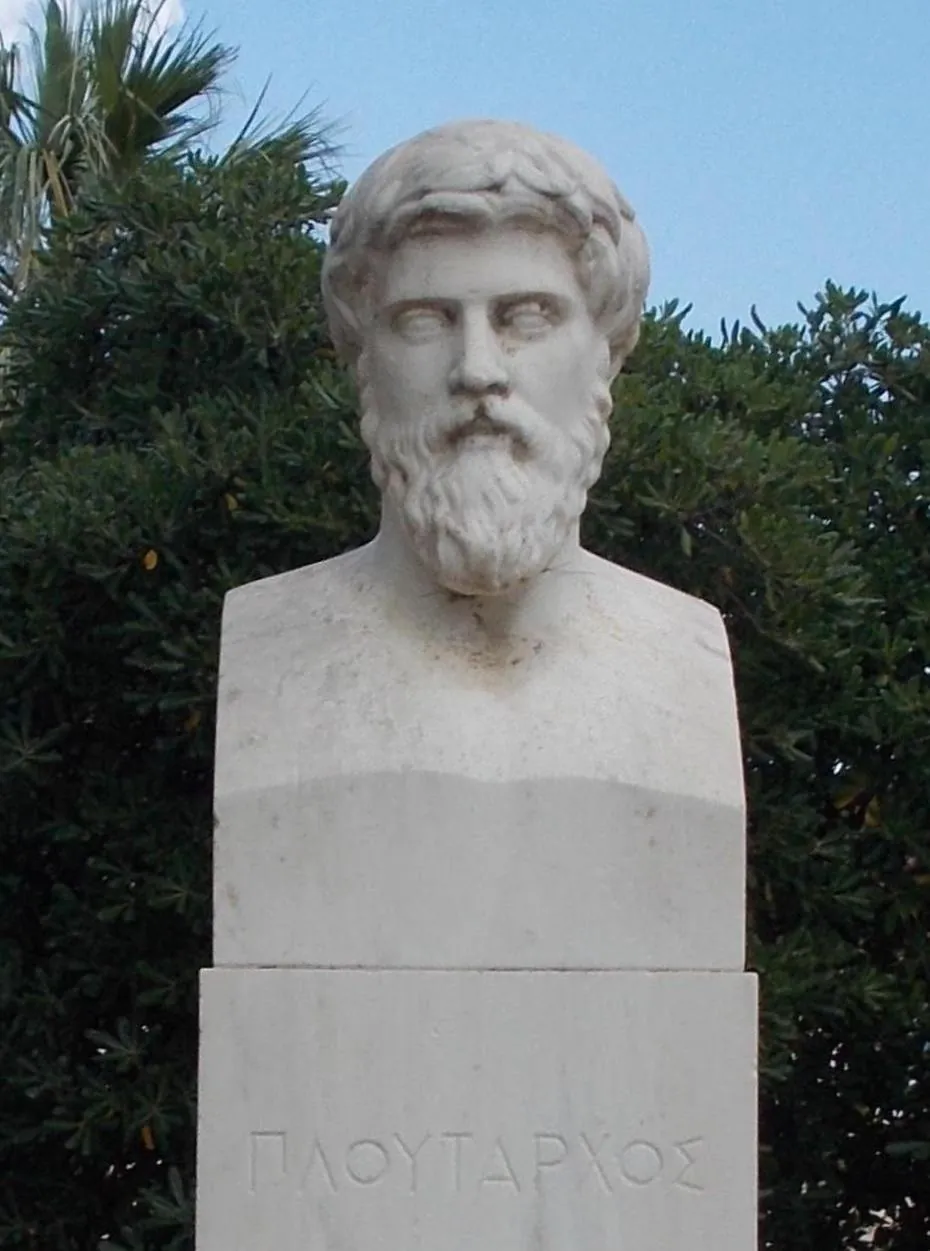
A modern bust of Plutarch in his native Chaeronea. No ancient likeness of him survives.
His writing falls into two great bodies of work. The Parallel Lives are paired biographies of distinguished Greeks and Romans — statesmen, soldiers and lawgivers — set against each other for comparison. The Moralia are a vast collection of essays and dialogues on ethics, politics, religion, education and much else. Together they make Plutarch the fullest surviving record of how a cultivated Greek of the Roman age thought the good life should be lived and the well-ordered state maintained.
A Greek under Roman rule
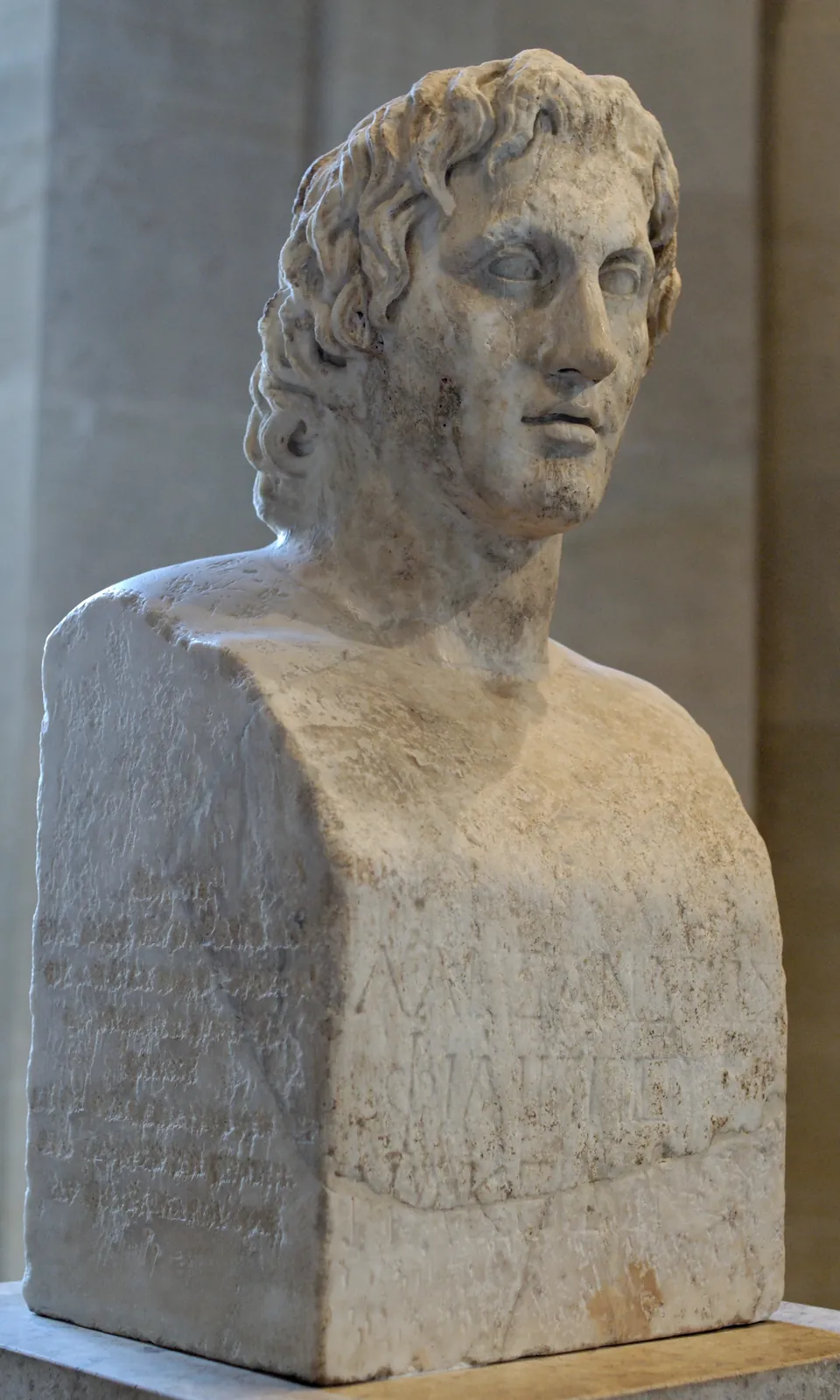
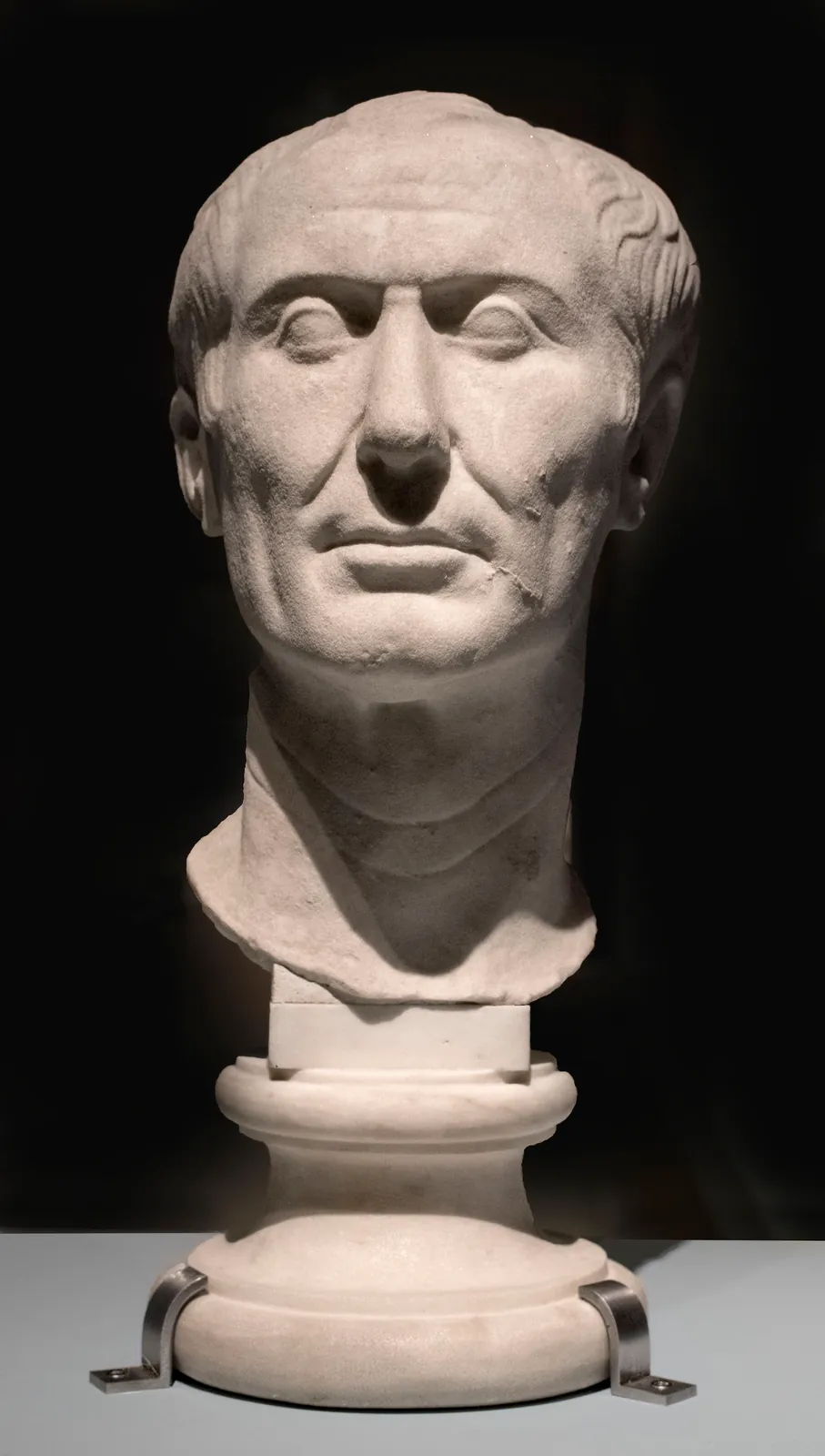
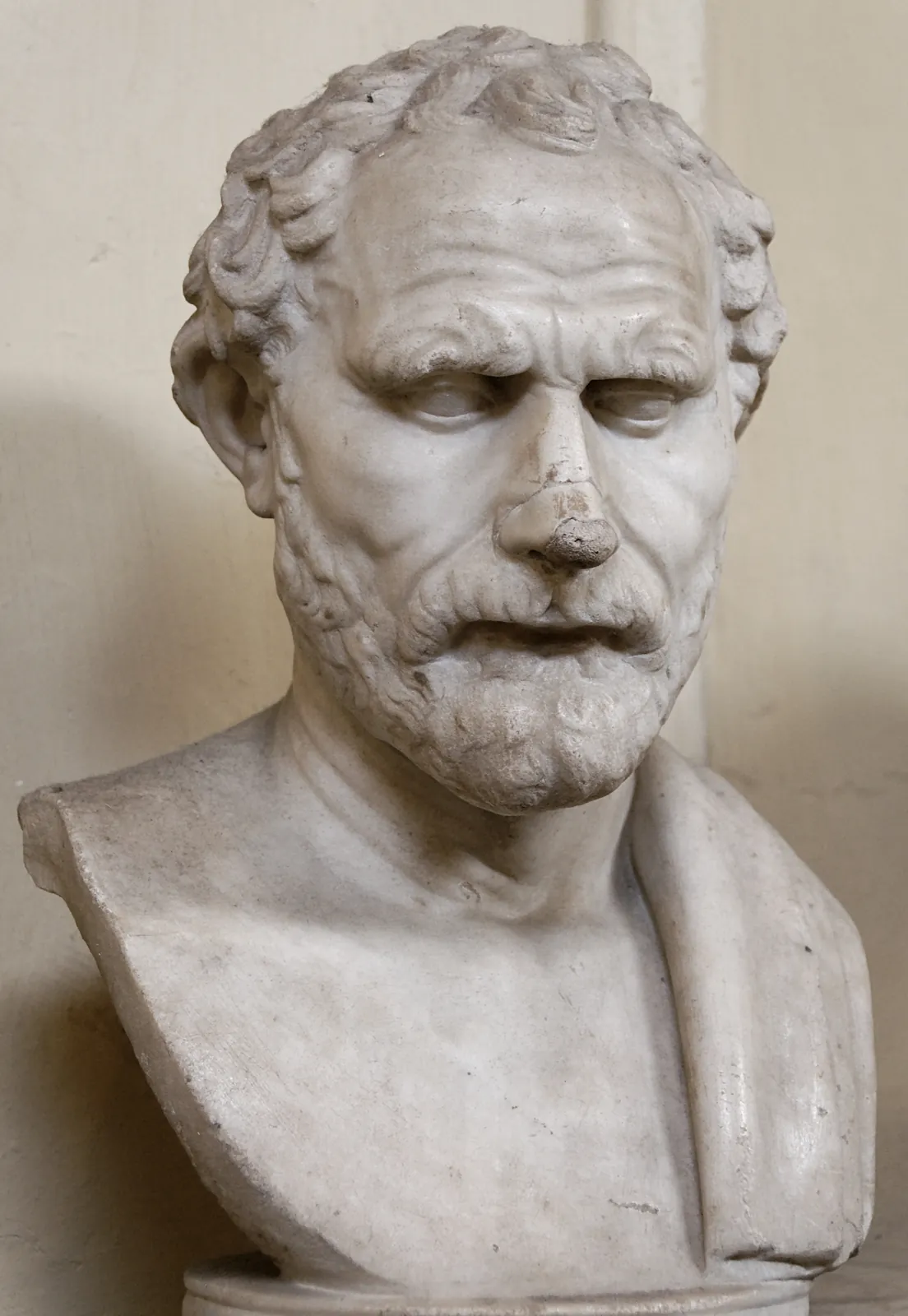
Plutarch wrote as a Greek living under, and reconciled to, the Roman Empire — and the situation is woven into his work. The old Greek freedom was gone; the cities he loved were provincial towns in a Roman world. The platform reads the Parallel Lives partly as his response to that condition: by pairing a Greek with a Roman in each comparison — Alexander with Caesar, Demosthenes with Cicero, Lycurgus with Numa — Plutarch quietly insists that Greek and Roman greatness are commensurable, that the virtues of statesmanship belong to no single people, and that his subjected Greece had produced men the equal of any Rome could show. It is a cosmopolitan argument made in the form of biography.
The purpose of the Parallel Lives
Plutarch states his purpose with unusual directness. He is writing lives, not histories: his subject is not the chronicle of great events but the character those events reveal, and he warns the reader, at the opening of the Life of Alexander, that a chance remark or a jest often shows a man's virtue or vice more clearly than the bloodiest battle. The Lives are designed for use — to be read by those who would hold public responsibility, as a school for judgement and character. Plutarch tells us, in the Life of Aemilius Paulus, that he began writing them for others and continued for himself, treating the great men of the past as a mirror in which to order his own conduct.
Moral biography and the study of character
This is the form the platform calls moral biography: the writing of a life not to record what happened but to display character for the reader's instruction. It occupies a space that two more prestigious modes of thought leave empty. Abstract ethics tells you what virtue is in general but loses the texture of the hard case; structural history tells you how forces and institutions move but loses the person making the choice. Plutarch holds the middle ground they vacate — the particular human being, in the particular situation, acting well or badly under the pressure of power. His governing conviction is that the exercise of power both reveals and is shaped by character, and that authority is the sharpest test a character can face.
Character, leadership and the fate of states
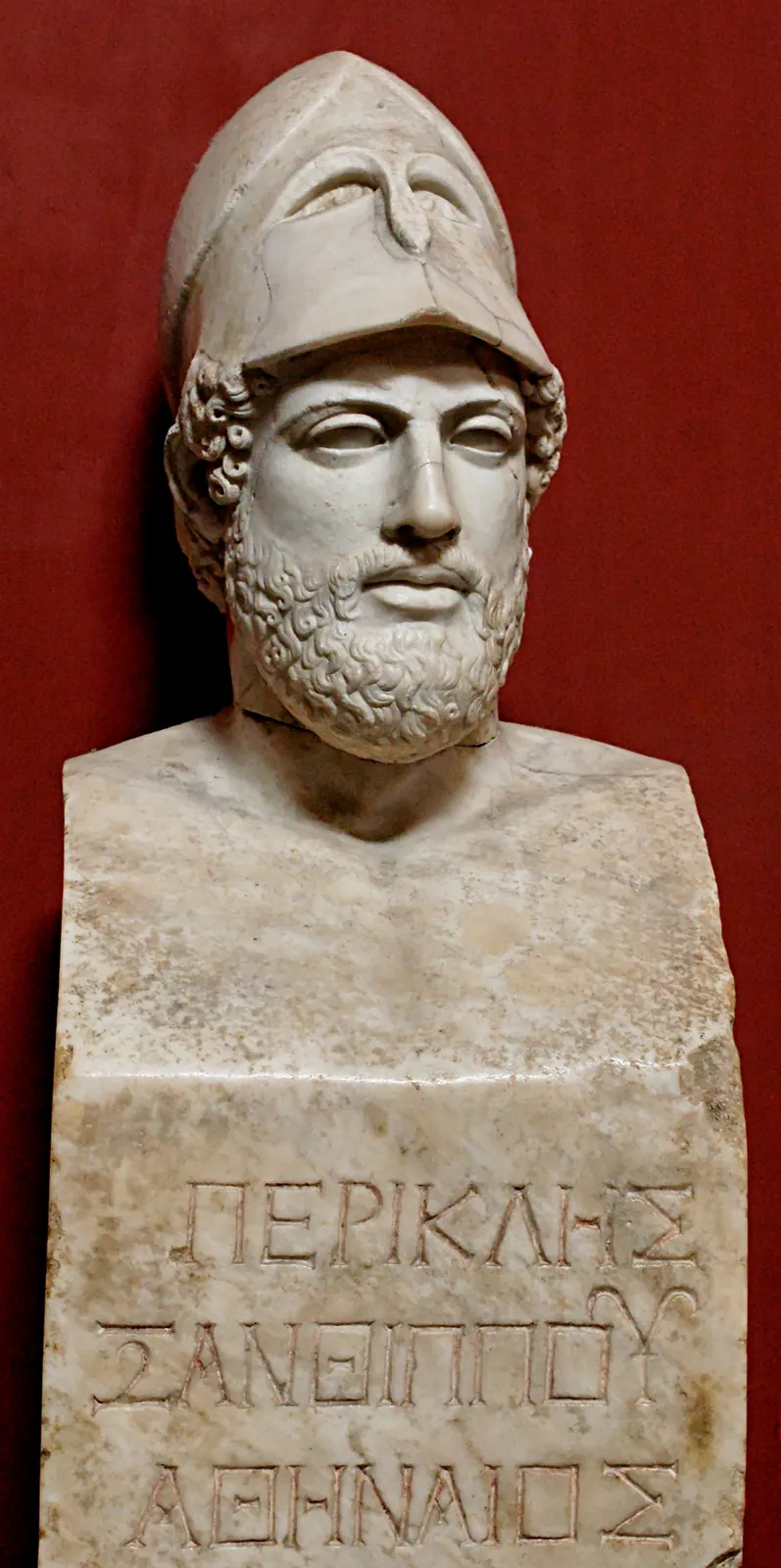
Because Plutarch reads power through character, he reads the fate of cities and empires through the people at their head — Athens through Pericles and Alcibiades, the Roman Republic through Caesar, Pompey, Cato and Cicero. He is the corpus's strongest witness for the role of character in history, to be read against its strongest witnesses for the role of institutions. His leadership is an expression of character rather than technique: what makes men follow a leader is finally who he is — his courage under risk, his justice, his self-command, and the example he sets, which teaches more powerfully than any command. And his deepest political pattern is the tragedy of ambition and downfall: the love of honour that drives a leader to greatness and then, ungoverned, to ruin.
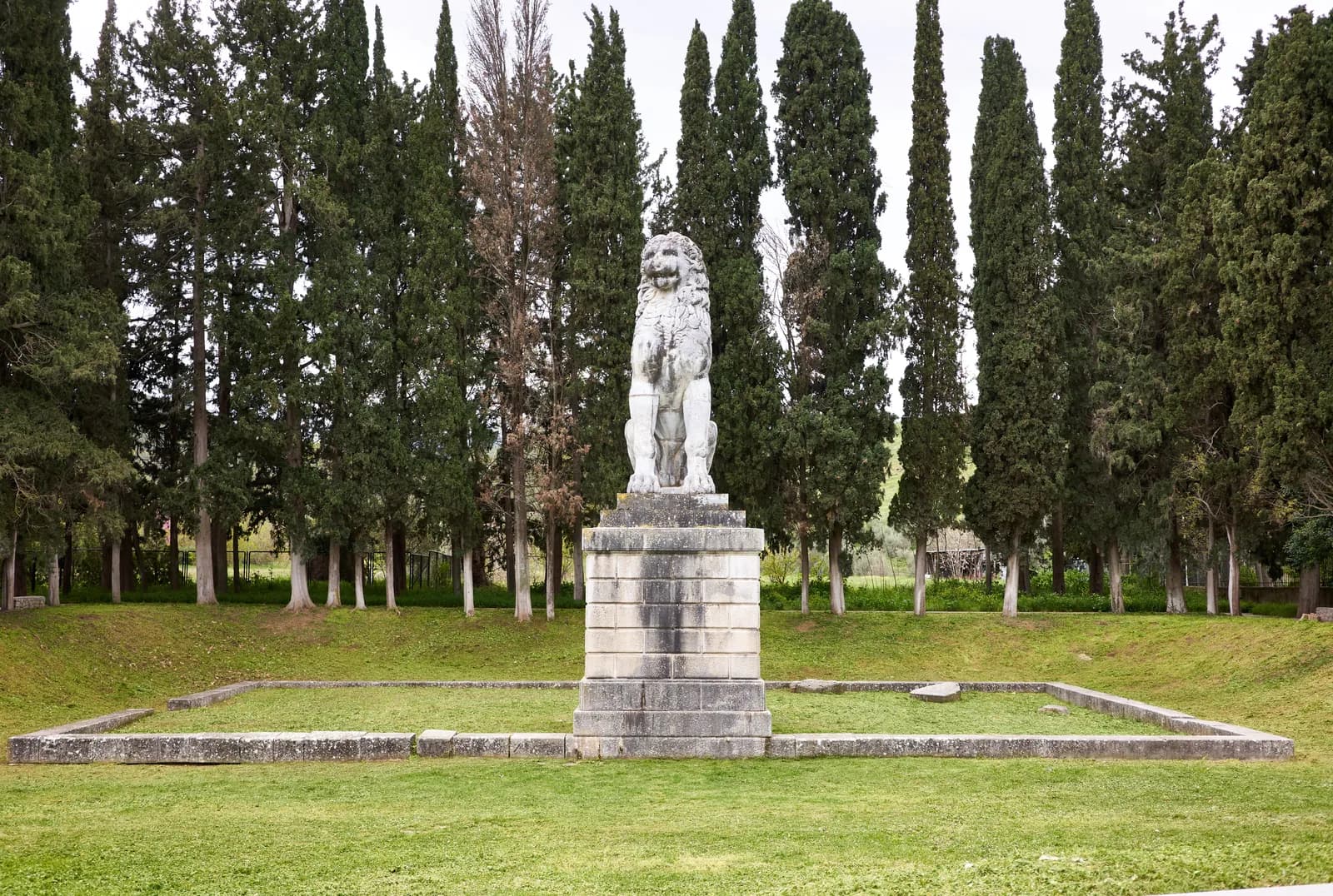
The Lion of Chaeronea, near Plutarch's home, marks the grave of the Theban Sacred Band — the battlefield where Greek liberty fell to Macedon.
The influence on Europe
No classical prose author was more widely or more seriously read in later Europe. Sir Thomas North's 1579 English translation of the Lives gave Shakespeare the matter of his Roman plays — Julius Caesar, Coriolanus and Antony and Cleopatra follow Plutarch closely. Montaigne built the personal essay out of the Moralia; Rousseau read the Lives as a boy and never stopped; Emerson called Plutarch a “bible for heroes.” For fifteen centuries those who wanted to understand greatness, or to school themselves for it, went to Plutarch.
The teacher of statesmen, from the Renaissance to the founders
The platform reads this long afterlife as the working of Plutarch's own design. He wrote to form the character of those who would hold power, and generation after generation of public men took him at his word. The Renaissance prince, the English commonwealthman, the leaders of the French and American revolutions schooled themselves on the Lives — the American founders quoted Plutarch on the lawgivers and the fall of the Republic, and read his Cato as the pattern of republican virtue. The platform's own purpose — reading the classical inheritance for what it can still teach about virtue, power and the well-ordered life — is, in the end, Plutarch's purpose, and the essay on why Plutarch still matters asks how, and whether, that education still works for a modern reader. The structure of the whole project is read at the Parallel Lives hub.
Read through the Lives