How the reforms read themselves
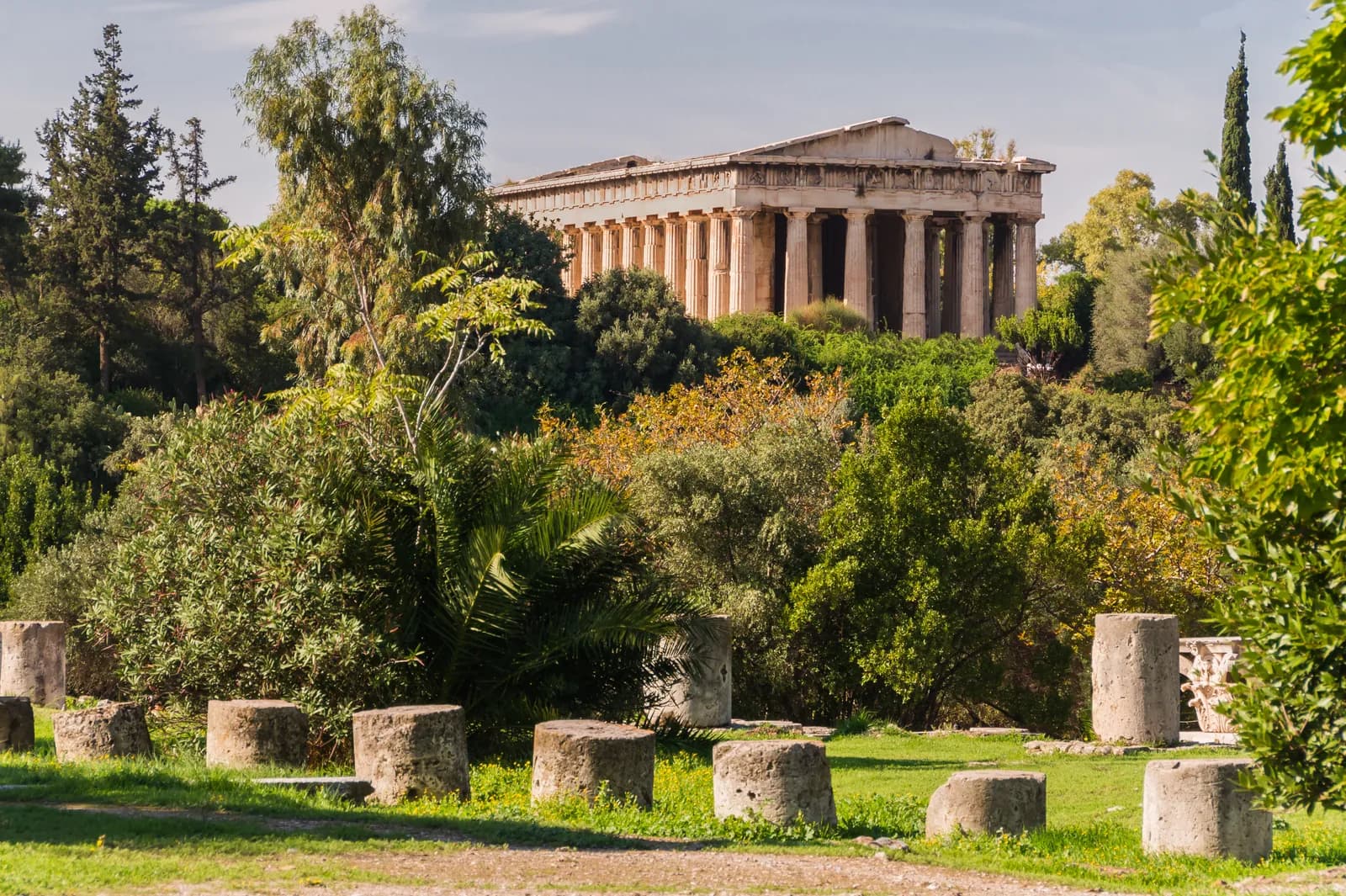
The Athenians of the classical period understood their constitution not as the gift of a single founder but as the work of a sequence of reformers, each correcting and extending the last. Where Sparta attributed its whole order to Lycurgus in one founding act, Athens remembered a century-long process — Solon, then Cleisthenes, then the democratic reformers of the fifth century — through which the polis was remade, step by institutional step, into a working democracy. The platform reads the Athenian reforms as the corpus's central case of a constitution built over time rather than founded at a stroke, and as the historical laboratory in which citizenship was invented.
Solon: law before democracy
The reform century opens with Solon, who came to extraordinary office around 594 BCE in a crisis of agrarian debt and the threat of civil war. His settlement — the cancellation of debts, the ban on enslaving citizens for debt, the reorganisation of political rights by property class rather than birth, and the creation of a popular court to which any citizen could appeal a magistrate's decision — did not create democracy. The platform reads it as something prior and more fundamental: the establishment of the rule of law and a codified public order, set up on rotating wooden tablets for all Athenians to read, on which a democracy could later be built. Then Solon left the city for ten years so that the laws would stand on their own and not on his presence.
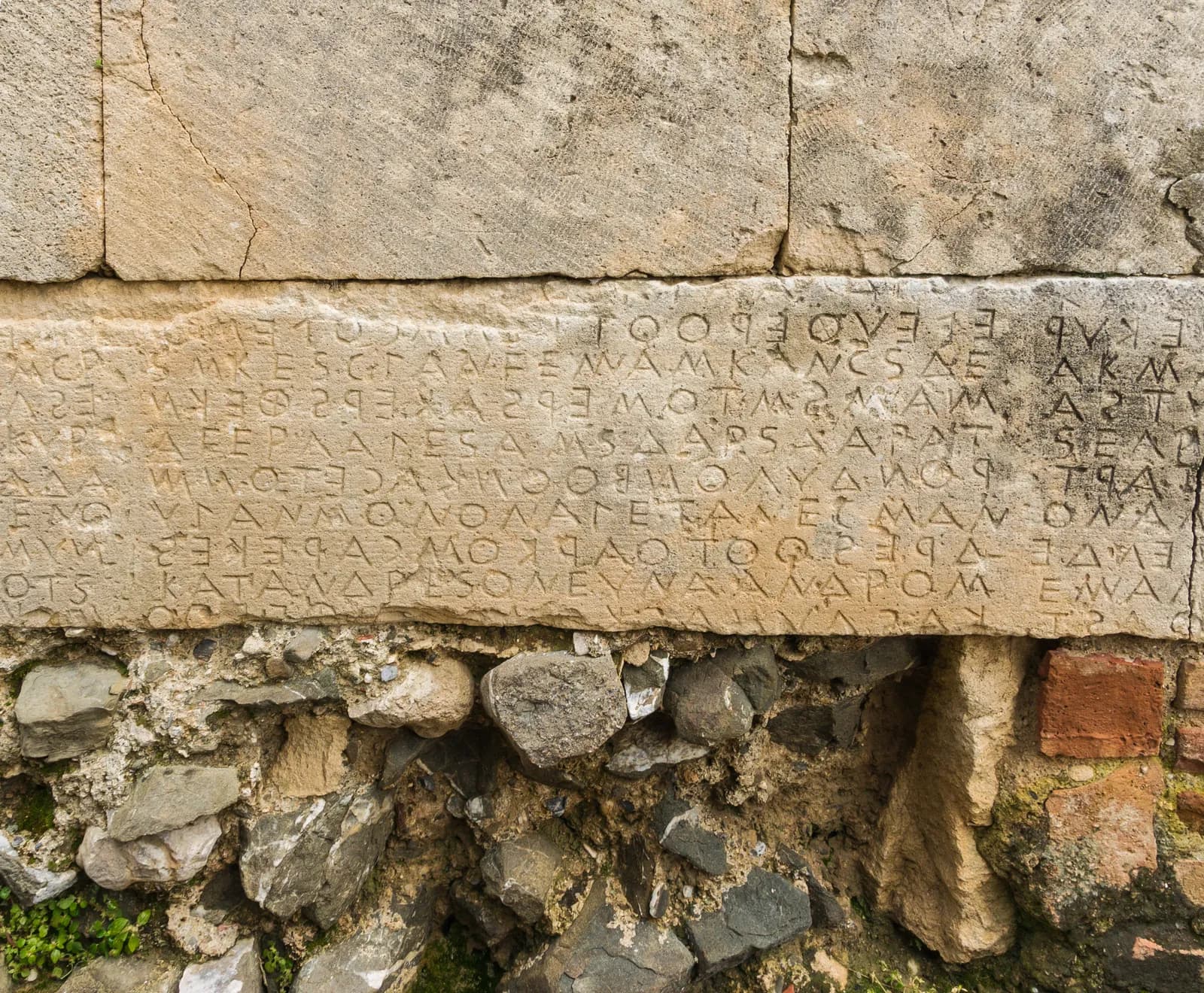
Not Athens but Crete: the longest surviving Greek law inscription, the physical form codification took.
Cleisthenes: the architecture of participation
The decisive democratic turn came a generation later, around 508–507 BCE, with Cleisthenes, whom the tradition calls the father of Athenian democracy. His reforms rebuilt the structure of the citizen body: he reorganised the population into ten artificial tribes that cut across the old kinship and regional loyalties, created the Council of Five Hundred (chosen by lot to prepare the assembly's business), and built the institutional machinery — the boulē, the assembly on the Pnyx, the courts — through which ordinary citizens actually governed. The platform reads Cleisthenes as the great institution-builder of the Athenian story: Solon supplied the law and the principle, but Cleisthenes supplied the working apparatus of self-government.
The democracy at work — and its limits
In the fifth century, under Ephialtes and Pericles, the reforms reached their fullest development: pay for public office that let poorer citizens serve, the radical use of the lot, the sovereignty of the assembly on the Pnyx. The platform reads the result as the most complete experiment in direct citizen self-government the ancient world produced — and reads its limits without flinching. Athenian citizenship was narrow: women, the large enslaved population, and resident foreigners were excluded entirely; the democracy that was so expansive toward its citizens rested on a base it did not enfranchise. The achievement and the exclusion are part of one account.
Why the platform reads the Athenian reforms
The platform reads the Athenian reforms because they are the clearest historical demonstration of one of the cluster's central claims: that law comes before democracy — that the rule of law and a settled constitution are the ground on which popular government is built, not the other way round. Read against the single founding of Sparta, the Athenian reform century shows the alternative model of constitutional change: not the lawgiver's finished design, but the long, contested, institutionally cumulative work of a polity remaking itself. The invention of the citizen at its centre is the subject of the invention of citizenship.