The emperor who changed the frame
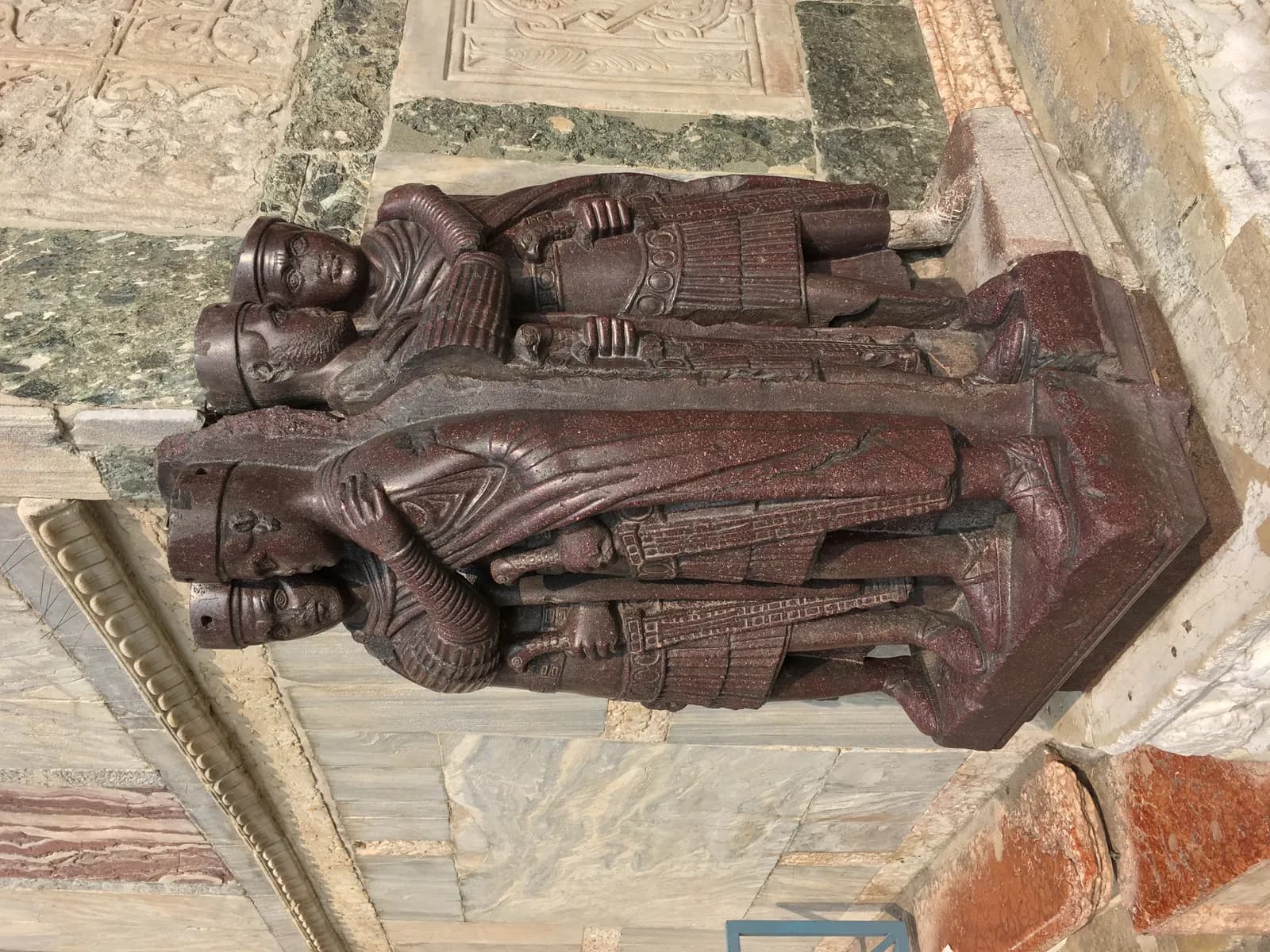
Constantine (reigned 306–337 CE) inherited Diocletian's reordered state and used it to do something Diocletian had tried to prevent: he restored personal, dynastic, autocratic rule, and he attached the whole apparatus of the Roman state to the Christian church. The platform reads Constantine as the figure of transformation — the emperor through whom the Roman world became Christian and turned its center of gravity eastward, setting the terms for the medieval and Byzantine civilizations that grew out of Rome.
The road to sole power
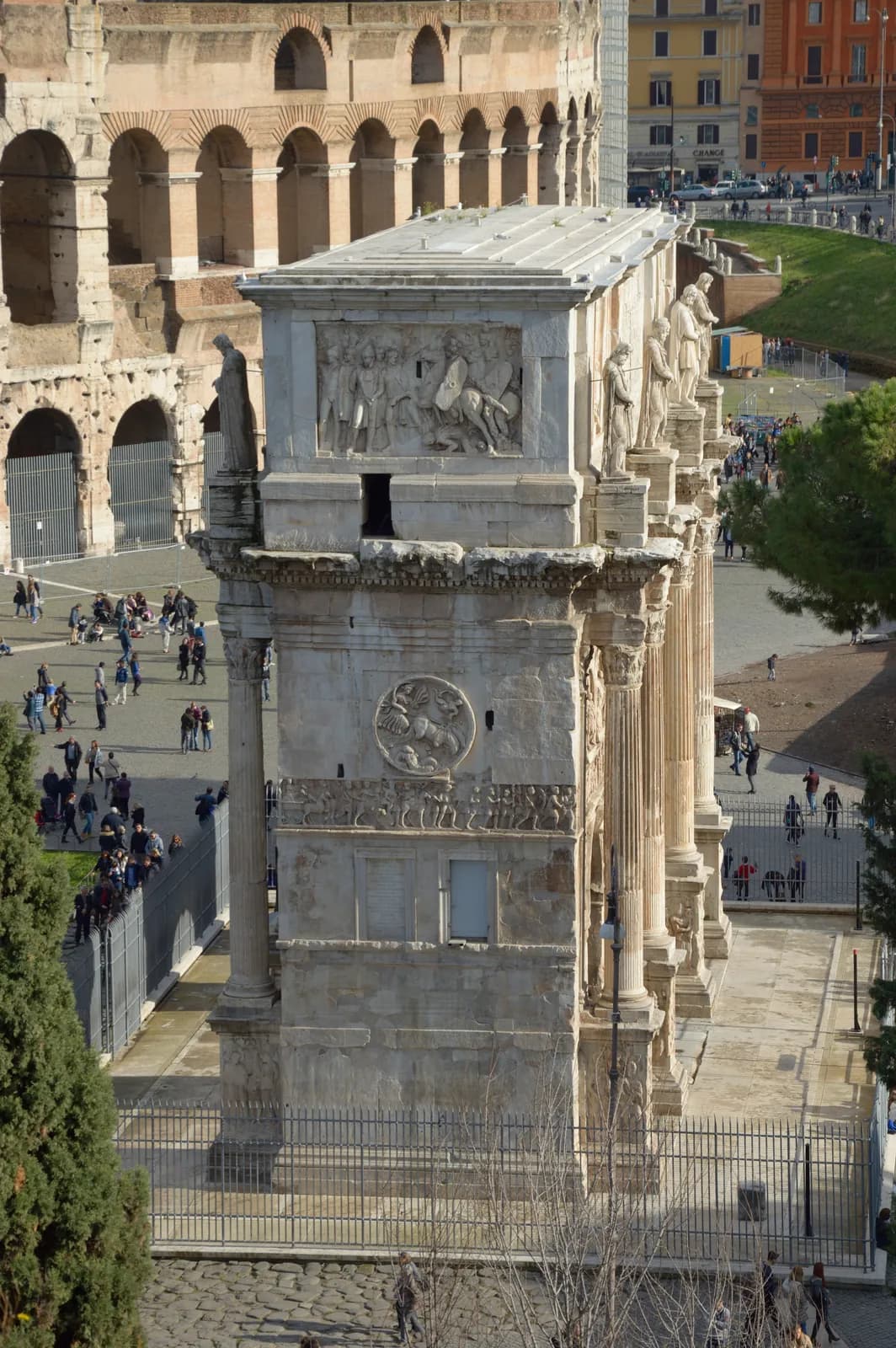
Constantine rose out of the wreckage of the Tetrarchy. When Diocletian's succession machinery collapsed into civil war, he fought his way to control of the west, defeating his rival Maxentius at the Battle of the Milvian Bridge in 312 — the battle that Christian tradition attaches to his vision of the cross and the sign in hoc signo vinces. By 324, after defeating Licinius in the east, he was sole emperor of a reunited empire. His career is itself a verdict on the Tetrarchy under the imperial-succession theme: Diocletian's attempt to replace dynasty with a constitutional rota collapsed the moment its author left the stage, and the strongest of the tetrarchs' sons restored the dynastic principle by force.
The turn to Christianity
The decision that defines him is the alignment of the empire with the Christian church. The policy of toleration associated with the Edict of Milan (313) ended the persecutions; from there Constantine moved to active patronage — building churches, funding the clergy, granting the church legal privileges, and intervening in its disputes. In 325 he summoned and presided over the Council of Nicaea, the first ecumenical council, to settle the Arian controversy over the nature of Christ. The platform reads this under state-and-religion as continuity inside apparent rupture: in convening the bishops to secure religious unity, Constantine was exercising exactly the role Augustus had built when he made himself pontifex maximus — the head of state as guarantor of the public religion. The content changed from the old gods to Christ; the structure, the fusion of supreme political and religious authority, was Roman and unbroken.
Constantinople and the administrative state
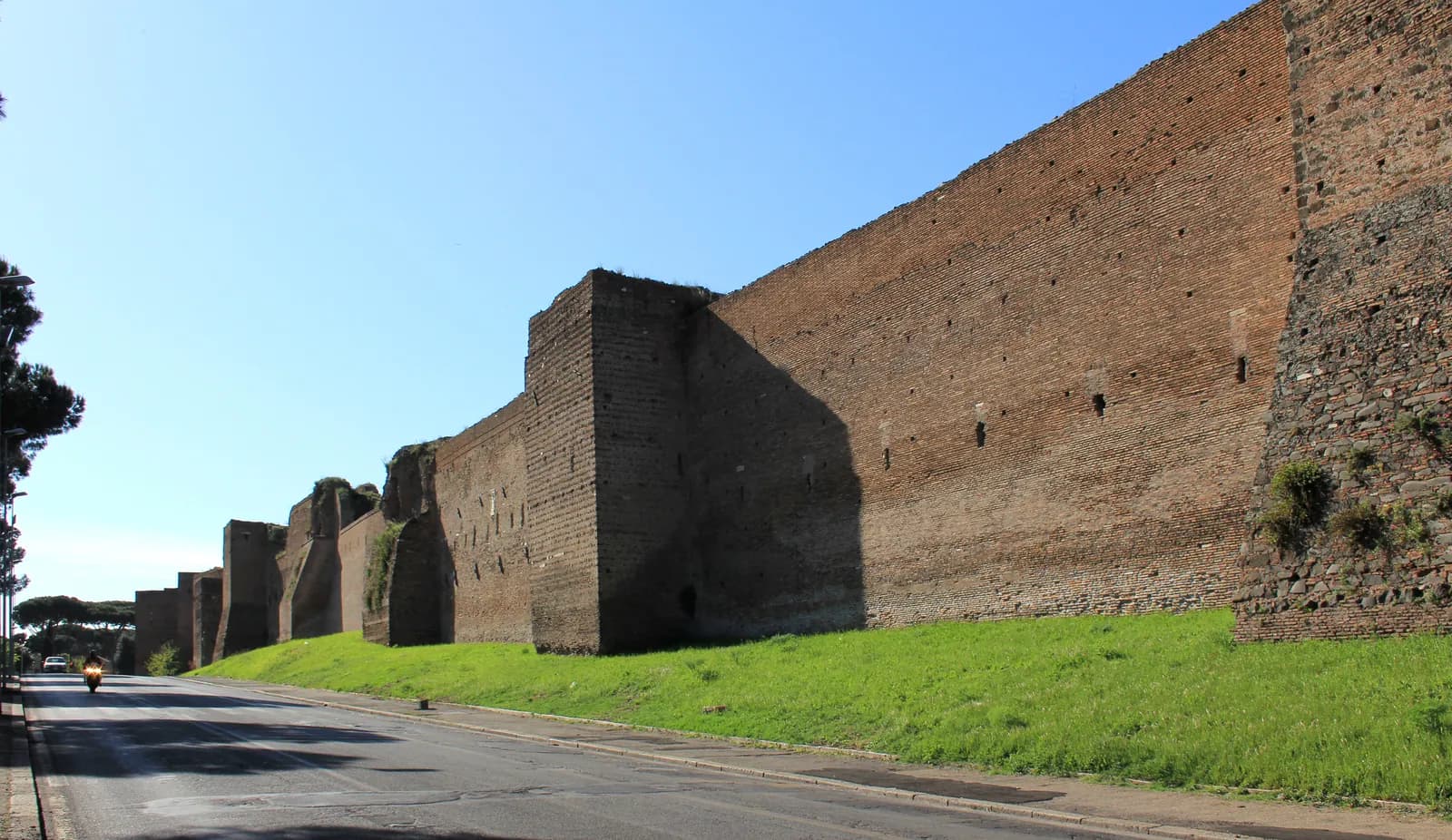
Constantine's other epochal act was geographic. In 330 he refounded the Greek city of Byzantium as Constantinople — New Rome — a Christian imperial capital on the Bosporus, positioned to govern the wealthier, more populous, more defensible east. The move acknowledged where the empire's strength now lay and created the city that would carry the Roman name for another eleven centuries. He kept and extended Diocletian's administrative machine, stabilised the currency with a new gold coin (the solidus) that held its value for centuries, and ran the late-Roman bureaucratic state at full development. Under imperial-administration he is the emperor who proved Diocletian's apparatus could serve a restored dynasty as readily as a tetrarchy.
Why the platform reads him
The platform reads Constantine because his reign is the pivot on which the ancient world turns into the medieval. The Christian empire, the eastern capital, the alliance of throne and altar, the stable late-Roman administration — each set a term that European and Byzantine history would work out over the following millennium. Whether his conversion was conviction, calculation or both is an old and unresolvable question the platform leaves open; what is not in doubt is the scale of the consequence. He is read here as the close of the Roman arc the platform traces, beside Diocletian, whose state he inherited, under the themes of religion, administration, succession and empire.