How the kingdom rose
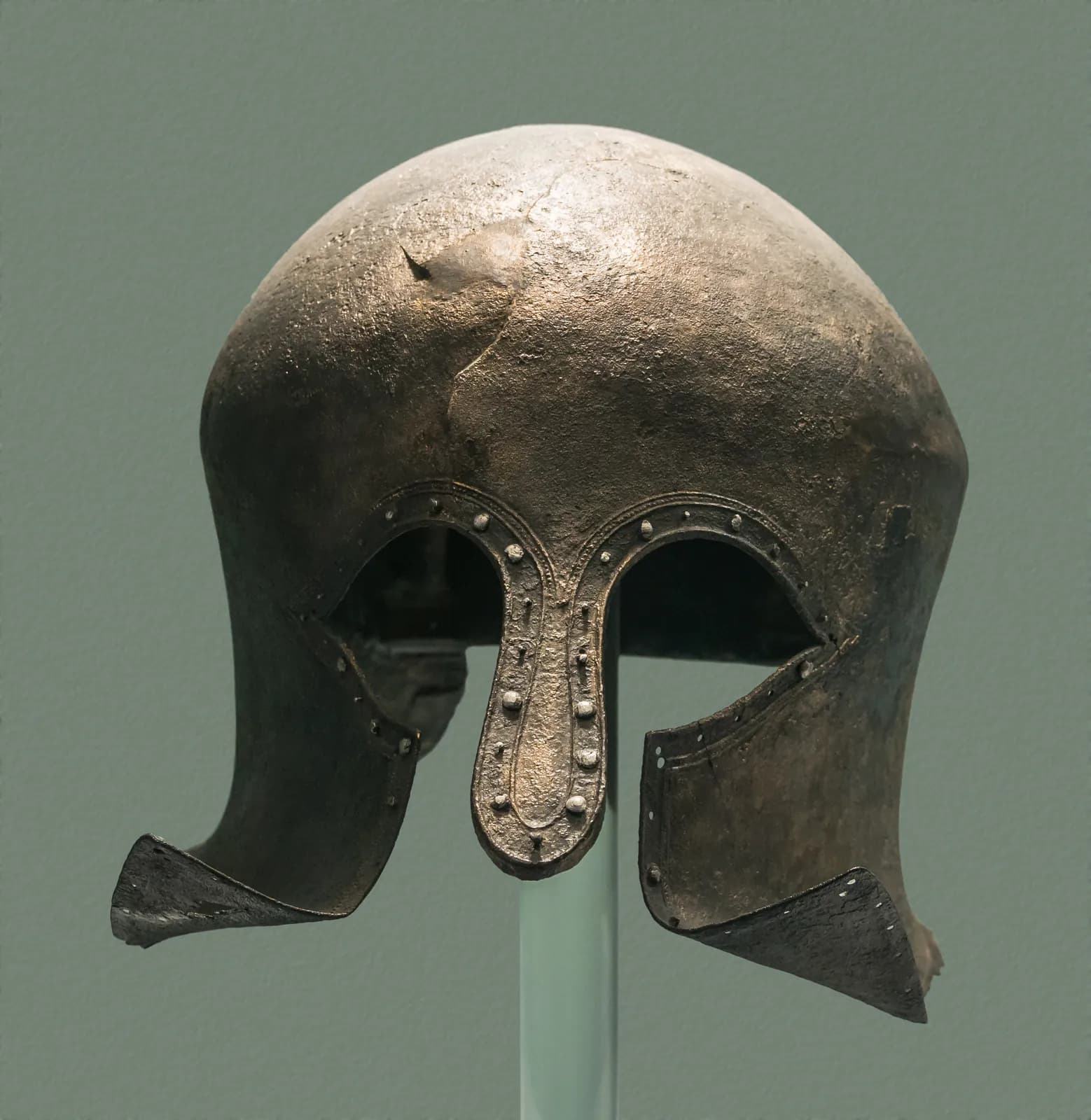
Macedon was, for most of its history, a kingdom on the northern fringe of the Greek world — Greek-speaking but regarded by the southern city-states as half-barbarous, a land of horsemen and feuding nobles, chronically weak and divided. The platform reads its transformation as one of the most rapid and consequential in ancient history: in a single generation Philip II turned this weak kingdom into the dominant power of the Greek world, and his son Alexander used it to conquer the largest empire the world had seen. Macedon is the state that ended the age of the free city and opened the age of the Hellenistic monarchy.
Political structure
The platform reads Macedon as a territorial monarchy — a fundamentally different kind of state from the Greek polis. Where the city-state was a community of citizens governing themselves, Macedon was a kingdom: a hereditary warrior-king ruling a territory and a people, supported by a powerful landed nobility (the Companions) and an army that acclaimed its kings. The platform reads this structure as the source of Macedon's strength against the fragmented city-states: it could command the resources of a whole territory and act with a unity and continuity that the quarrelsome, fragmented Greek cities could never achieve.
Military structure
The platform reads Macedon's military system as its decisive achievement, treated fully under military innovation. Philip forged a professional standing army built around the phalanx armed with the long sarissa pike, integrated with the elite Companion cavalry in a combined-arms system, supported by siege engineers and a sophisticated logistics. This was the most capable army of its age, and it was Macedon's true instrument of empire.
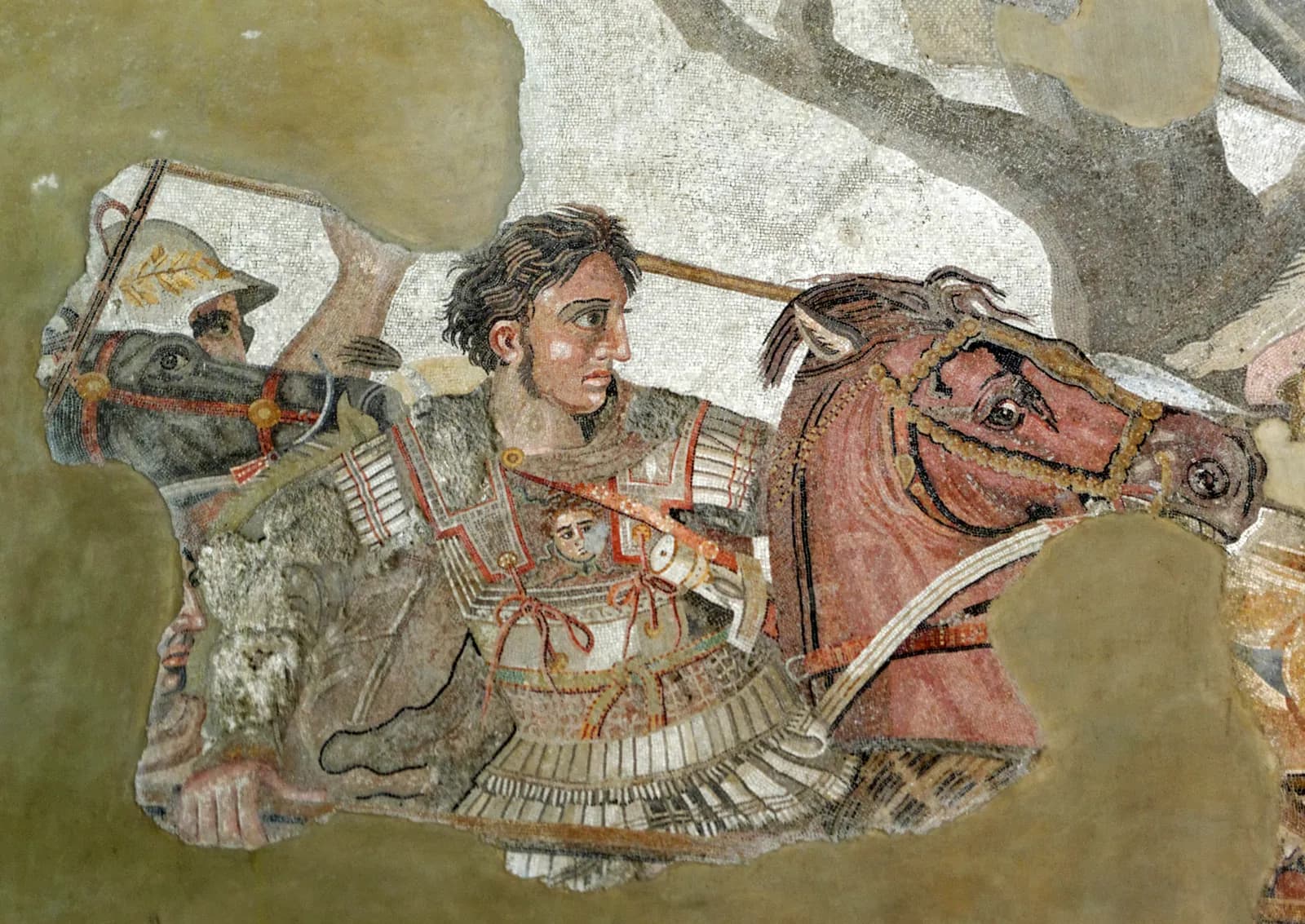
Alexander charges Darius at Issus — the Macedonian army that conquered Persia, in the most famous image of ancient warfare.
Administration
The platform reads Macedonian administration as light at home and adaptive abroad. The kingdom itself was governed personally by the king through his Companions and regional governors. In conquered Persia, Alexander did not replace the imperial machinery he found but largely took it over — keeping satraps, the tribute system and the royal roads — an approach to conquest and integration that his Successors developed into the administrative systems of the Hellenistic kingdoms.
Cultural legacy
The platform reads Macedon's deepest legacy as cultural: the spread of Greek language, cities and learning across the Near East and Egypt that the conquests set in motion — the Hellenization that defined the Hellenistic world for three centuries. Macedon also gave the ancient world its model of the conquering warrior-king, the figure of Alexander that every later conqueror from the Roman emperors to the early modern age measured himself against.
Decline
The platform reads Macedon's decline as the long aftermath of its own success. Alexander's empire shattered at his death into the warring Successor kingdoms; Macedon itself, restored under the Antigonid dynasty of Demetrius and his heirs, remained a major power but never again the master of the world. In the second century BCE it collided with the rising power of Rome, and its defeat at Pydna in 168 BCE ended Macedonian independence. The platform reads the kingdom that had conquered the East falling, in the end, to the legions of the West.
Why the platform reads Macedon
The platform reads Macedon as the hinge between the classical Greek world and the Hellenistic and Roman ages — the territorial kingdom whose military revolution and conquests ended the era of the free city and remade the political map from the Adriatic to India. It is the bridge in the platform's Greece → Persia → Alexander arc, read at length in Philip and the making of Alexander and why Alexander succeeded.