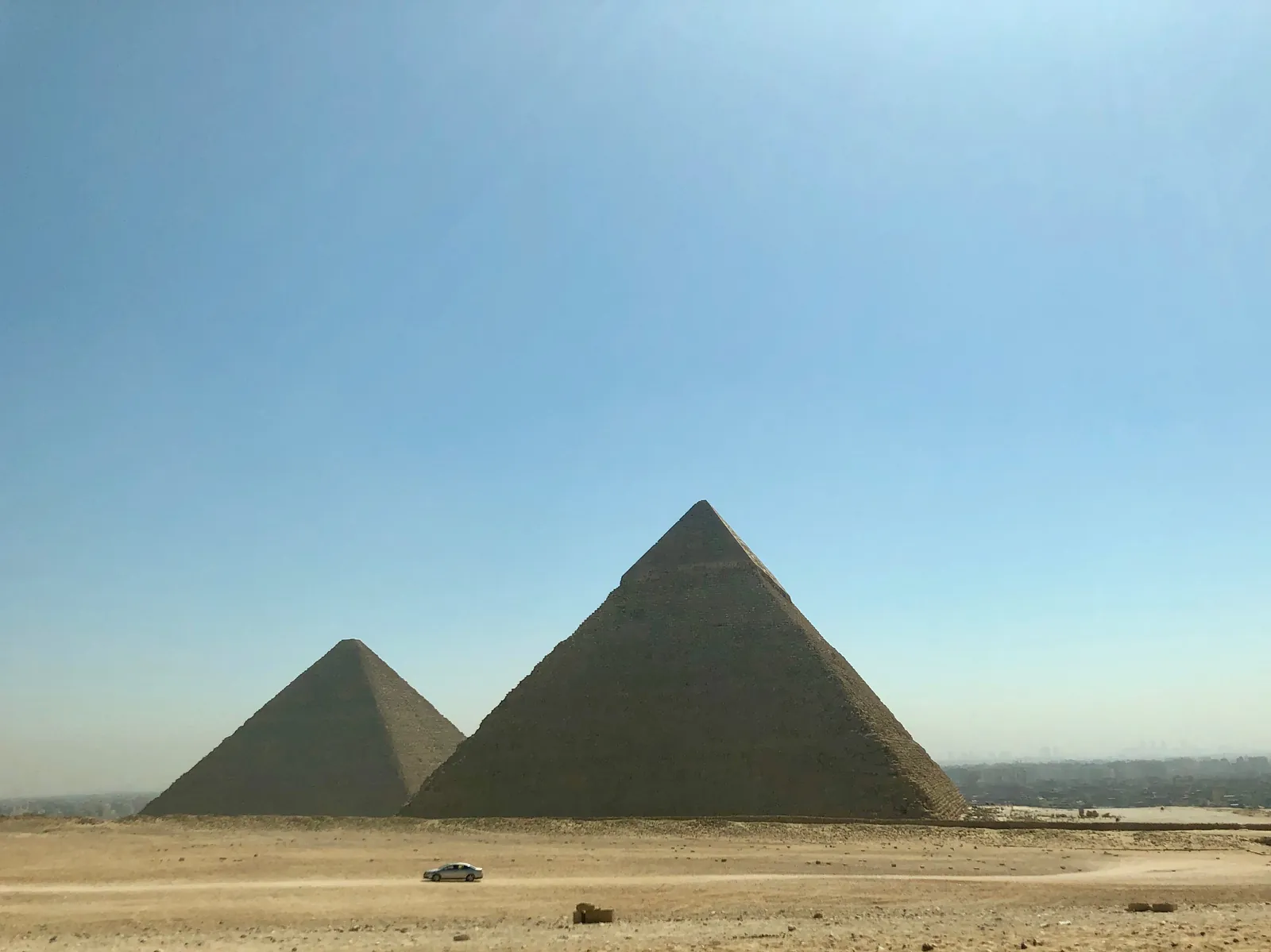
How the dynasty began
Ptolemaic Egypt was founded when Ptolemy, one of Alexander's generals, took Egypt as his share of the empire and made himself first satrap and then king. The platform reads it as the longest-lived and most successful of the Successor states — a Greek dynasty that ruled the Nile valley for nearly three centuries, far longer than any rival Hellenistic line, and that ended only with the death of Cleopatra VII and the Roman annexation in 30 BCE. Its durability is the platform's central case for what made a Successor kingdom last.
Political structure
The platform reads the Ptolemaic state as resting on a dual identity — the key to its survival. To its Greek and Macedonian subjects, the Ptolemies were Hellenistic kings in the tradition of Alexander; to its Egyptian subjects, they were pharaohs, crowned in the ancient rites, depicted on temple walls in pharaonic dress, absorbed into Egypt's three-thousand-year tradition of sacred kingship. The platform reads this under royal legitimacy: the Ptolemies spoke the language of legitimacy to each of their peoples in turn, and that double legitimacy held the kingdom together where single-identity rule might have failed.
Administration and military structure
The platform reads Ptolemaic administration as the most sophisticated of the Hellenistic world. The Ptolemies inherited and intensified Egypt's ancient bureaucratic machinery, running one of the most thoroughly administered and heavily taxed economies of antiquity — a royal monopoly over much of the land, grain and commerce of the Nile valley that made the dynasty immensely rich. The army was a professional force of Greek and Macedonian settlers, granted land in return for service, superimposed on the native Egyptian population. The platform reads this thin Greco- Macedonian elite atop an intact Egyptian base as the characteristic structure of conquest and integration in Egypt.
Cultural legacy: Alexandria
The platform reads Alexandria as the supreme cultural achievement of the Hellenistic age and Ptolemaic Egypt's greatest legacy. Founded by Alexander and made the capital by the Ptolemies, it became the largest and most brilliant city of the world, and — through its Library and its Museum, the research institution the kings endowed — the intellectual capital of the Greek world. Euclid, Eratosthenes, the great textual scholars, and the translators of the Hebrew scriptures into Greek all worked there. The platform reads Alexandria as the engine room of Hellenization: the place where Greek learning was gathered, advanced and transmitted.
Architecture
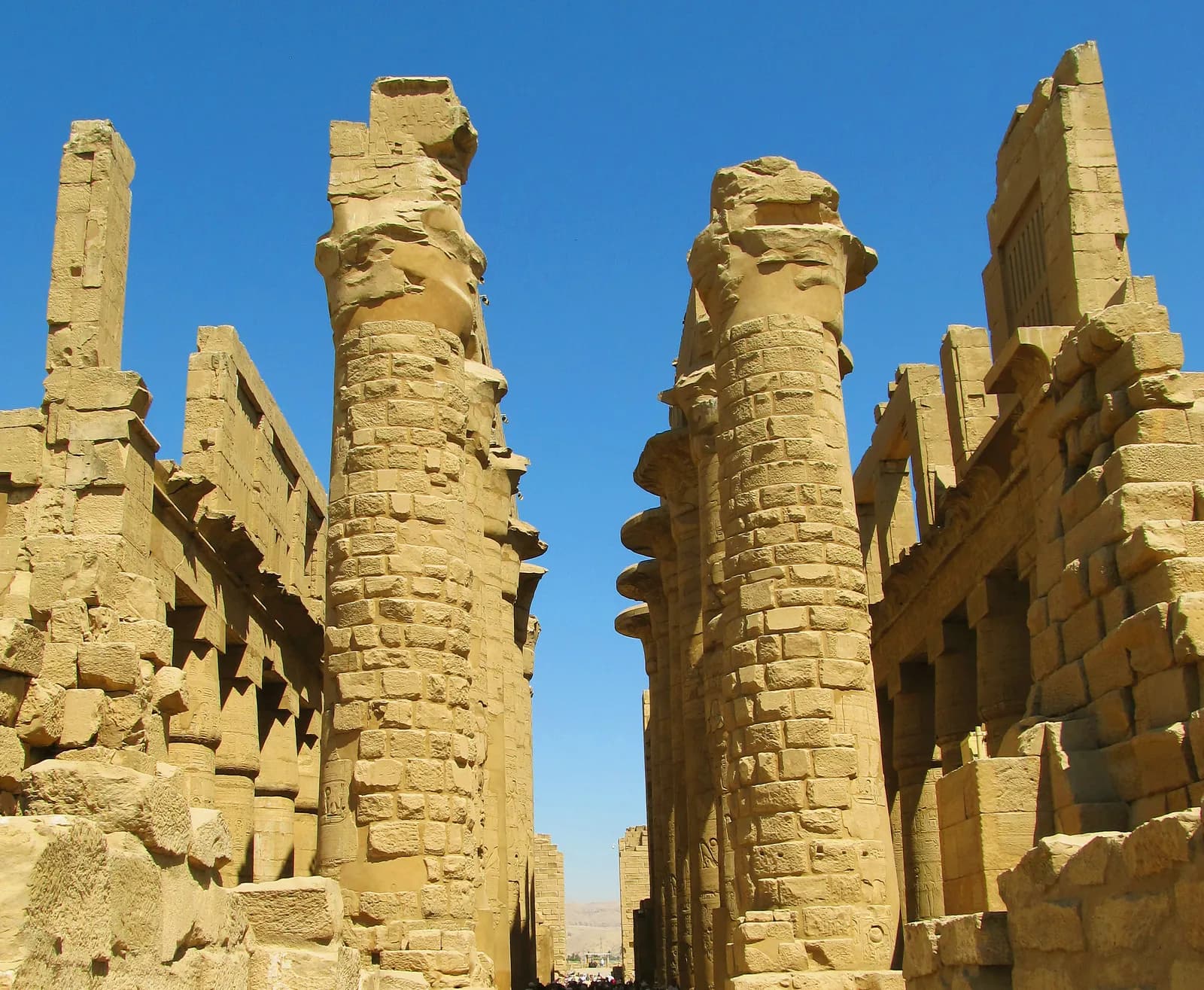
The platform reads Ptolemaic architecture as the visible form of the dynasty's dual identity. In the Greek city of Alexandria the Ptolemies built in the Hellenistic manner — the Pharos lighthouse, one of the Seven Wonders, the palaces and the Museum. But in the Egyptian temples they built as pharaohs, in the ancient style: the great temples of Edfu, Philae, Dendera and Kom Ombo, among the best-preserved in all of Egypt, were built or completed under the Ptolemies, their walls carved with Greek kings in pharaonic pose making offerings to the Egyptian gods. The platform reads these temples as legitimacy in stone.
Decline and the Roman end
The platform reads Ptolemaic decline as a long story of dynastic self-destruction and growing Roman shadow. The later Ptolemies were weakened by murderous family feuds, native revolts, and the loss of their overseas possessions, and they survived increasingly as clients of Rome. The end came with Cleopatra VII, the last and ablest of the line, whose attempt to preserve Egyptian independence through alliance with Caesar and then Antony ended at Actium in 31 BCE and in her death the following year. The platform reads the absorption of Egypt into the Roman Empire as the close of both the Hellenistic age and the three- thousand-year tradition of independent Egyptian monarchy.
Why the platform reads Ptolemaic Egypt
The platform reads Ptolemaic Egypt as the bridge among three of its great clusters — the Hellenistic world of Alexander's successors, the ancient Egypt of the pharaohs, and the Rome that finally absorbed it. It is the supreme case of royal legitimacy manufactured and maintained across cultures, and the story of how it ended is told in Cleopatra between Egypt and Rome.